Jinye Machinery Jinye Machinery

China Top 10 Shrink Film Storage Tips for Humid Weather?

Time:2026-09-28 Author:Mason
0%

Humid weather can quietly damage shrink film before it reaches the packaging line. A roll may look normal on the outside, while moisture and temperature changes affect how it unwinds, seals, and shrinks. This guide answers the question, “How does weather and humidity affect shrink film storage,” and introduces ten practical storage tips for damp conditions.

Packaging scientist Dr. Claire Sand is known for her work on packaging materials and performance. Rather than assign her an unverified direct quotation, this guide uses a cautious takeaway consistent with sound materials handling: protect packaging from moisture, heat, and unnecessary environmental changes. That advice matters in a warehouse where a humid loading bay sits beside a cooler storage area. Even a short move between them can create condensation on film or its packaging.

Keep rolls sealed until use, store them off concrete floors, and watch for leaks, damp walls, and condensation. Record storage conditions when possible; a simple temperature-and-humidity log can reveal patterns that memory misses. The exact limits depend on the film supplier, so check its technical data sheet instead of relying on a universal rule.

Some details are easy to overlook. A partly opened carton near a doorway may be more exposed than a sealed pallet deeper inside. And storage routines are not always followed perfectly. These ten tips offer a practical starting point, while leaving room to review what works in your own facility.
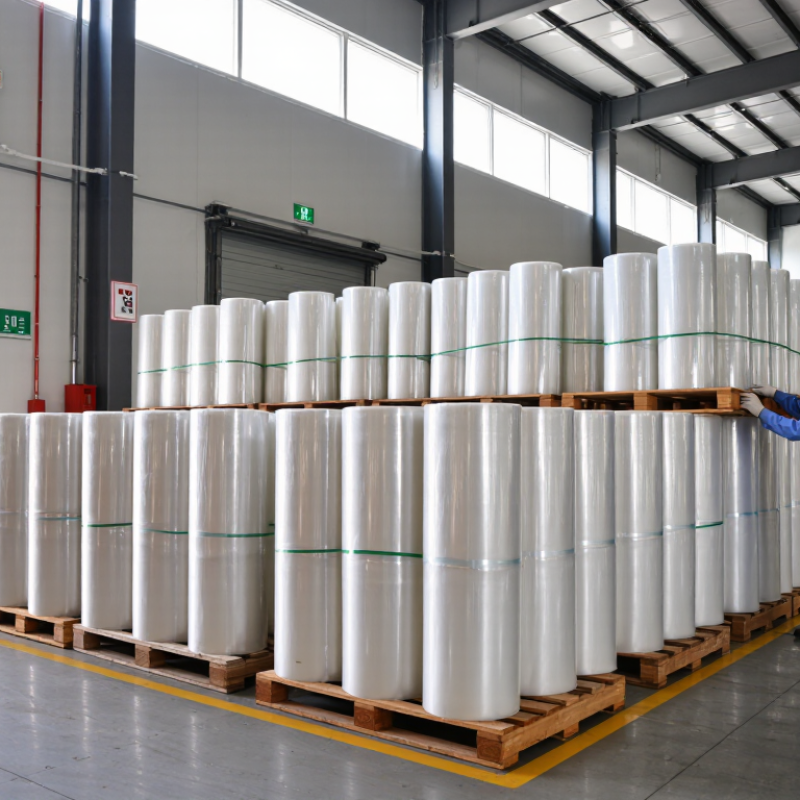
China Top 10 Shrink Film Storage Tips for Humid Weather?

Understanding How Humidity Affects Shrink Film

Humidity does not affect every shrink film in the same way. Many common films absorb little moisture, but damp air can still cause trouble when temperatures change. A cool roll moved into a warm room may collect condensation on its surface. That distinction matters.

Moisture on film can interfere with sealing and make results less consistent, especially around seal bars and folded edges. It may also soften paper cores or cartons, leaving rolls harder to handle and keep aligned. Look for cloudy surfaces, soft packaging, or film that unwinds unevenly. These signs deserve a closer check, not an automatic film replacement.

Keep rolls off floors and away from open doors, roof leaks, and humid process areas. Let wrapped rolls adjust to the storage room before opening them. A basic temperature and humidity log can help link changes in the room to sealing problems. Still, a humidity reading alone cannot explain every defect. Our checks are not perfect; film type, machine settings, and temperature shifts all matter. When trouble repeats, test one variable at a time and record what changes.

Choosing Suitable Film and Protective Packaging

Choosing Suitable Film and Protective Packaging

Humid weather makes film selection and storage especially important. Match the film to the product, sealing equipment, and expected handling conditions. Polyolefin is commonly used for retail packages, while polyethylene may suit heavier bundles. Check the supplier’s technical data for recommended storage temperature and humidity; film types and formulations vary. Humidity alone does not always damage film, but condensation, dust, and poor storage can affect handling and seals.

Tips: Keep rolls in their original sealed packaging until needed. Store them on clean pallets, off damp floors and away from walls where condensation may collect. Choose a dry, shaded area with steady temperatures, not a hot loading bay. If a cold roll enters a warm room, allow it to acclimate before opening. This can reduce moisture forming on the film. Keep opened rolls covered between shifts.

Protective packaging matters. Use clean, moisture-resistant outer wrapping, and close it again after partial use. Avoid stacking rolls where their edges can become dented; damaged edges may cause feeding problems or weak seals. Record storage conditions when recurring defects appear, and compare them with seal quality. A small test helps. I would not assume every wrinkle comes from humidity: machine settings, film tension, and product shape may also be responsible.

Preparing a Dry, Stable Storage Area

Humid weather can leave shrink film vulnerable to moisture, dust, and temperature swings. Choose an indoor storage area with a sound roof, sealed windows, and no signs of leaks. Check the room with a hygrometer, and follow the film supplier’s recommended temperature and humidity range. Keep rolls in their original packaging until needed. Store them on clean pallets, raised off the floor and away from exterior walls. A few inches of clearance helps air circulate. Keep the area dry.

Tip: Check the space after rain. Look for damp corners, roof drips, and condensation on pipes. Move rolls away from loading doors and heating or cooling vents, where conditions can change quickly. Avoid placing heavy items on the rolls; pressure may deform their edges. Small details matter.

Let packaged rolls adjust to the storage room before opening them, especially after delivery from a colder or warmer location. This can reduce condensation on the film. Keep a simple log of temperature, humidity, and any damp packaging. It need not be perfect. A missed reading happens, but a regular check can reveal a pattern before film quality suffers. If cartons feel wet, isolate them and assess the rolls before use.

Storing and Handling Film Rolls Correctly

Keep shrink film rolls in their original wrapping until they are needed. The packaging helps limit exposure to humid air, dust, and accidental splashes. Store rolls in a clean, dry area, away from doors, exterior walls, and direct sunlight. Keep them off concrete floors; a pallet or rack reduces contact with damp surfaces. Small details matter.

Handle each roll with clean, dry hands or suitable lifting equipment. Avoid dragging it across a rack or dropping it onto the floor, since dents can affect unwinding and sealing. Keep rolls supported according to the supplier’s handling guidance, and do not stack them beyond the stated limit. In a busy warehouse, these checks can slip. That is worth admitting.

Before opening a roll, let it adjust to the storage room’s temperature while still wrapped. This can help reduce condensation on the film. If the wrapping feels damp, or the roll shows visible damage, separate it and inspect it before use. Check storage conditions regularly with a room thermometer and humidity monitor. Follow the film supplier’s specifications, since storage needs can vary by material and construction.

Inspecting Stock and Preventing Moisture Damage

In humid weather across China, inspect shrink film stock before moving it into production. Check the outer wrap and cartons for water stains, soft corners, mildew odor, or condensation. Look closely at roll edges for dents, dirt, and layers that have shifted. Record the lot number and inspection date, then separate any suspect rolls from dry stock. Film can look normal while its packaging is damp, so do not rely on appearance alone.

Tip: Store rolls off the floor on clean pallets, away from walls, doors, and direct sunlight. Keep protective wrapping intact until use. Avoid placing cold rolls straight into a warm, humid work area; condensation may form on the film. Allow sealed rolls to adjust to the room, following the material supplier’s handling guidance. There is no single humidity limit for every film type.

Recheck stock after heavy rain, roof leaks, or long periods of high humidity. Use older, verified stock first, but never force a damaged roll into production to avoid waste. If a roll feels tacky, smells unusual, or shows cloudy patches, quarantine it and ask for technical guidance. A rushed inspection can miss subtle damage; I would rather admit that than treat every roll as usable.

China Top 10 Shrink Film Storage Tips for Humid Weather

Use the dew point to assess condensation risk when inspecting stored shrink film.

At a constant air temperature of 25°C, dew point rises as relative humidity increases. If film or packaging surfaces are colder than the dew point, moisture can condense. Check for dampness, keep stock dry, and allow cold rolls to acclimatize before opening. Dew-point values are calculated using the Magnus approximation.

FAQS

Does humidity directly damage shrink film?

Many common films absorb little moisture. Condensation can still form when a cool roll enters a warm room, affecting seals.

What signs may suggest moisture or poor storage?

Look for cloudy film, uneven unwinding, soft paper cores, or softened cartons. These signs need checking, not automatic replacement.

Why should cold rolls acclimate before opening?

Let wrapped rolls adjust to the storage room first. This can reduce condensation on the film.

Where should shrink film rolls be stored?

Keep rolls on clean pallets, away from damp floors, open doors, roof leaks, and humid work areas. Choose a dry, shaded place with steady temperatures.

How can opened rolls be protected between shifts?

Keep them covered in clean, moisture-resistant packaging. Close the wrapping after partial use, and avoid denting the roll edges.

Which film should be selected for a product?

Match the film to the product, sealing equipment, and handling conditions. Polyolefin is common for retail packages; polyethylene may suit heavier bundles.

Should every wrinkle or weak seal be blamed on humidity?

No. Film tension, machine settings, temperature shifts, and product shape can also matter. A small test helps.

What should be recorded when defects keep returning?

Log room temperature and humidity, then compare changes with seal quality. A reading alone cannot explain every defect. Our checks may miss something.

Conclusion

How does weather and humidity affect shrink film storage? High humidity can cause moisture absorption, condensation, changes in film performance, and packaging defects during use. Heat and temperature fluctuations may also affect film tension and consistency, so suitable storage conditions are essential. Choose film appropriate for the intended application, keep it in its original protective packaging when possible, and seal opened rolls to limit exposure to damp air and dust.

Prepare a clean, dry, well-ventilated storage area with stable temperatures, away from direct sunlight, water sources, and damp floors. Store rolls securely in their recommended orientation, avoid crushing or dragging them, and allow film moved from a cooler area to adjust before use. Regularly inspect stock for damaged packaging, condensation, unusual odor, or visible changes, and use older rolls first when they remain in good condition. These simple practices help preserve film quality and reduce moisture-related waste.

Mason

Mason

Mason is a seasoned marketing professional with a deep expertise in the company's offerings and a passion for driving brand awareness. With a strong background in digital marketing strategies, he has an innate ability to connect with diverse audiences and effectively communicate product benefits.......