Jinye Machinery
Jinye Machinery
Jinye Machinery
Explore our premium product portfolio designed for high automation, low energy footprint, and diverse packaging applications.
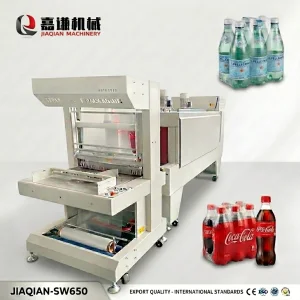
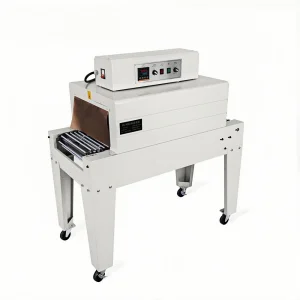
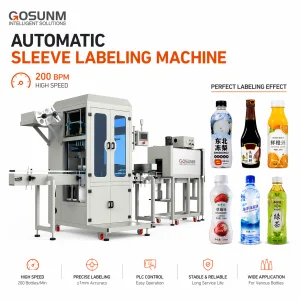
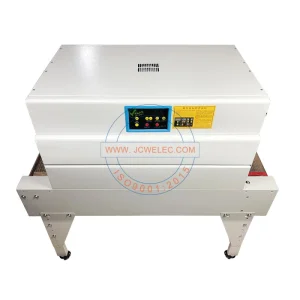
Analyzing key drivers shifting international industries toward localized, energy-efficient thermal-packaging technologies.
In modern industrial automation, the shrink tunnel machine is no longer just a basic thermal heating unit; it is a critical process point for ensuring product stability, brand protection, and aesthetic preservation. Across regions like North America, Western Europe, and East Asia, manufacturers are witnessing an unprecedented shift. Factors such as strict regulations regarding single-use plastics, packaging down-gauging strategies, and the demand for tamper-evident packaging are pushing factories to adopt highly refined packaging systems. Leading shrink tunnel machine manufacturers are forced to balance the delicate physics of heat transfer with operational cost considerations.
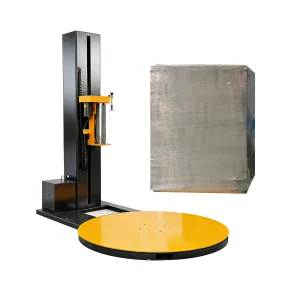
Globally, sectors such as beverages, pharmaceuticals, and household chemicals require versatile machinery. For example, high-speed beverage bottling lines require accurate contour sleeve labeling, which can only be achieved with precise steam-based shrink systems. On the other hand, heavy industrial applications, such as construction material palletizing, require durable PE (Polyethylene) film wrapping capable of generating massive mechanical load holding force. Because of this variation, manufacturers must design their systems to handle specific thermal-processing windows for different film substrates, including Polyolefin (POF), Polyvinyl Chloride (PVC), Polyethylene (PE), and Polyethylene Terephthalate Glycol (PETG).
Advanced insulation designs and optimized air-recirculation systems decrease thermal dissipation, lowering energy usage by up to 35% compared to legacy tunnels.
Independent control over dual-temperature chambers ensures uniform shrinkage of complex geometric containers without warping the underlying plastic containers.
PLC systems equipped with Modbus/Ethernet protocols collect real-time data on temperature deviations, conveyor motor load, and heating coil lifecycles.
A technical analysis of mechanical design choices and film interactions within thermal processing environments.
To understand the quality difference between basic local manufacturers and premium packaging engineering firms, we must look at heat-transfer fluid dynamics. A high-quality shrink tunnel packaging machine uses one of two primary methods to shrink polymer films: convective hot-air flow or steam thermal condensation.
Convective Hot-Air Tunnels: These tunnels rely on electrical resistances to heat the air, which is then blown onto the moving packages by heavy-duty blowers. The mechanical arrangement of the internal nozzles determines how evenly the heat is distributed. Standard tunnels often develop thermal hot spots that can scorch thin films, such as 15-micron POF. High-end hot-air systems, however, use adjustable air-deflection vanes and variable frequency drives (VFDs) on the blower motors. This allows operators to adjust air velocity and direction to match the specific thermal-absorption rates of POF, PP, or PE films.
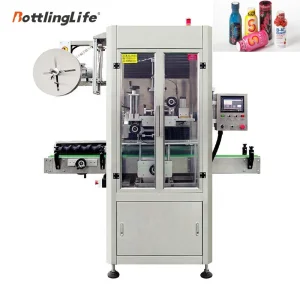
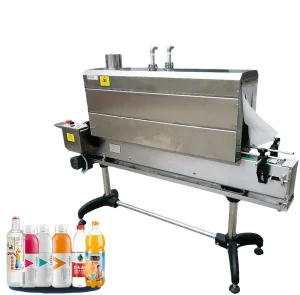
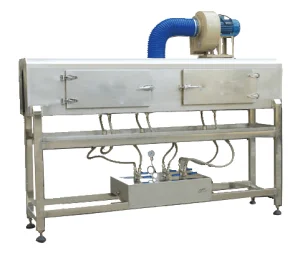
Saturated Steam Tunnels: In label wrapping applications for irregular plastic bottles (such as round, contour, or hourglass shapes), air-convective tunnels struggle to transfer heat evenly around curves. This can lead to distorted graphics on printed labels. Steam tunnels resolve this challenge. Because steam has a high heat-transfer coefficient, it condenses rapidly upon contacting the cooler label surface. This condensation releases latent heat, causing the film to shrink almost instantly. This rapid, uniform thermal transfer ensures that PVC or PETG sleeve labels shrink smoothly without bubbles, wrinkles, or misaligned graphics.
Combining heavy precision tooling, rigorous quality control, and robust vertical integration in packaging machine fabrication.
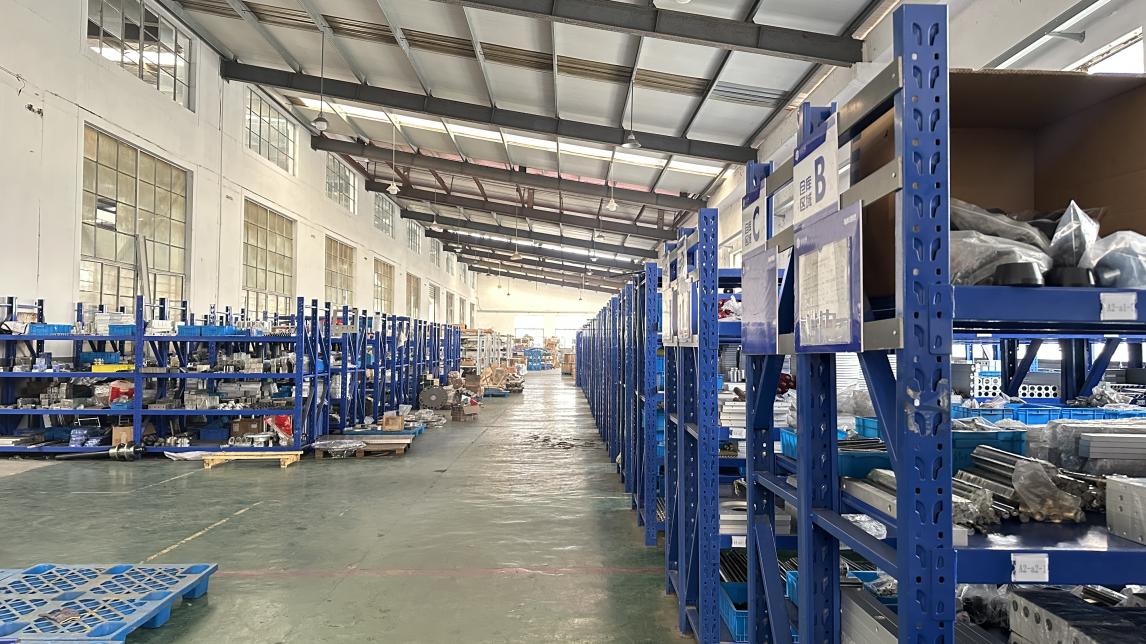
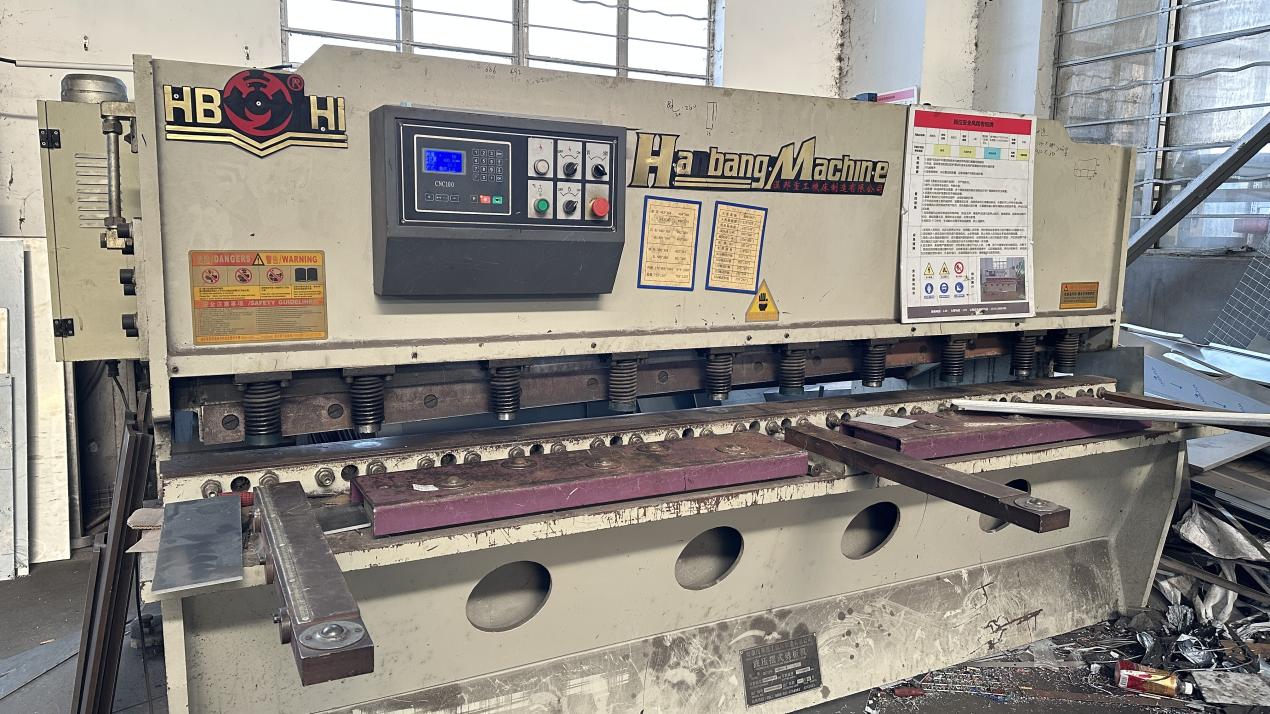
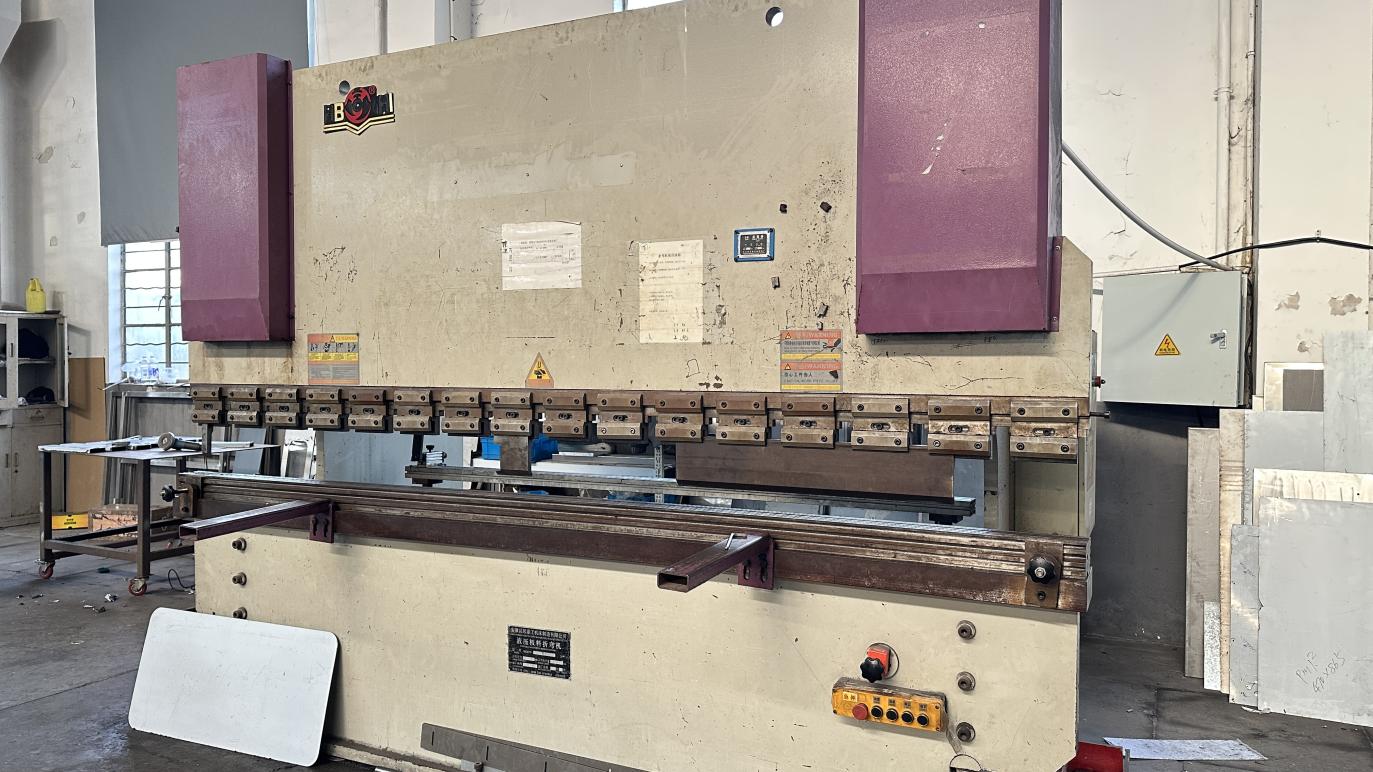
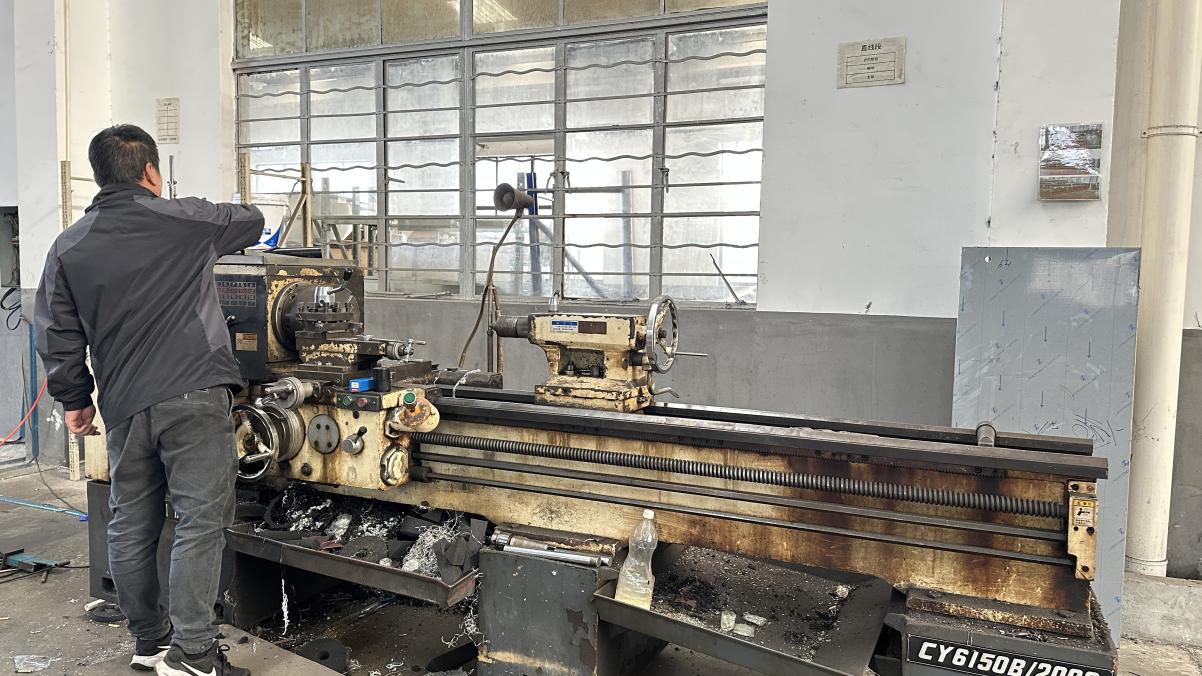
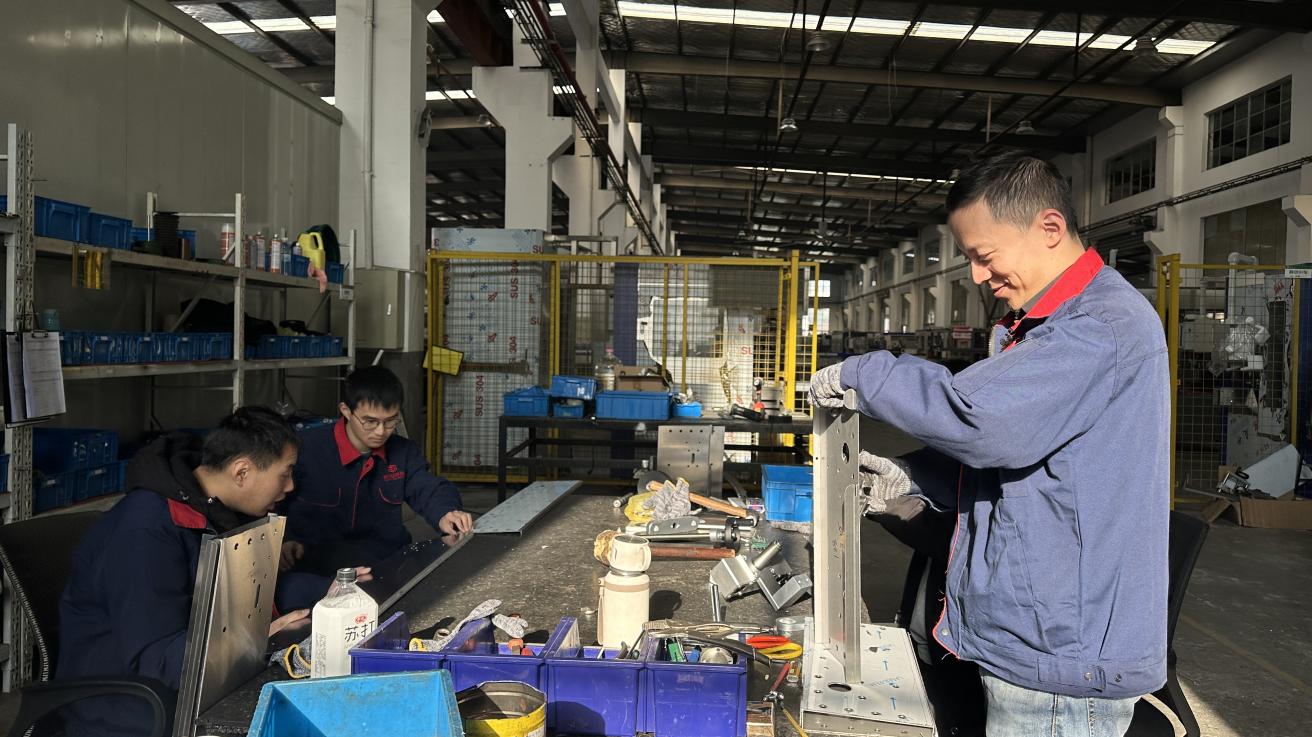
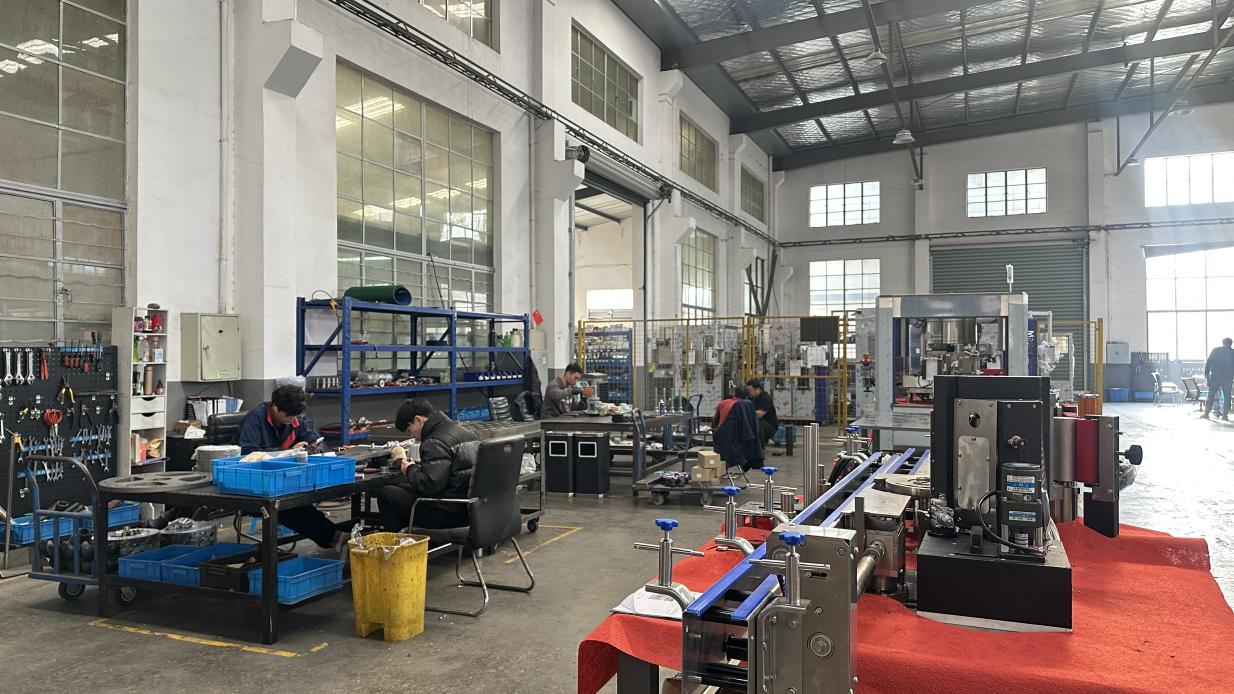
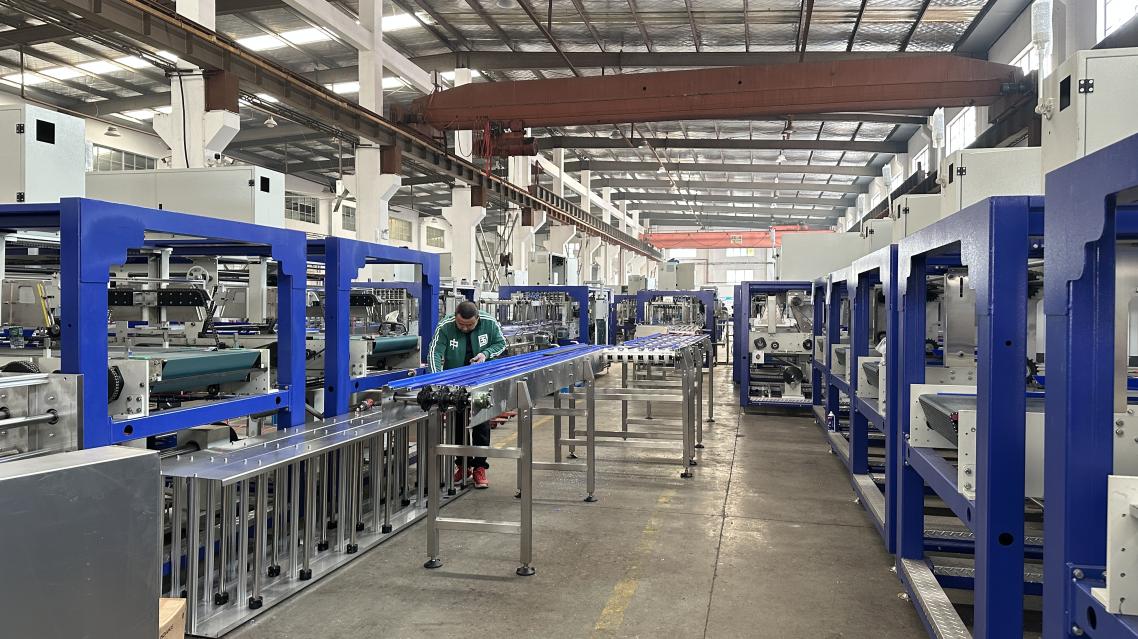
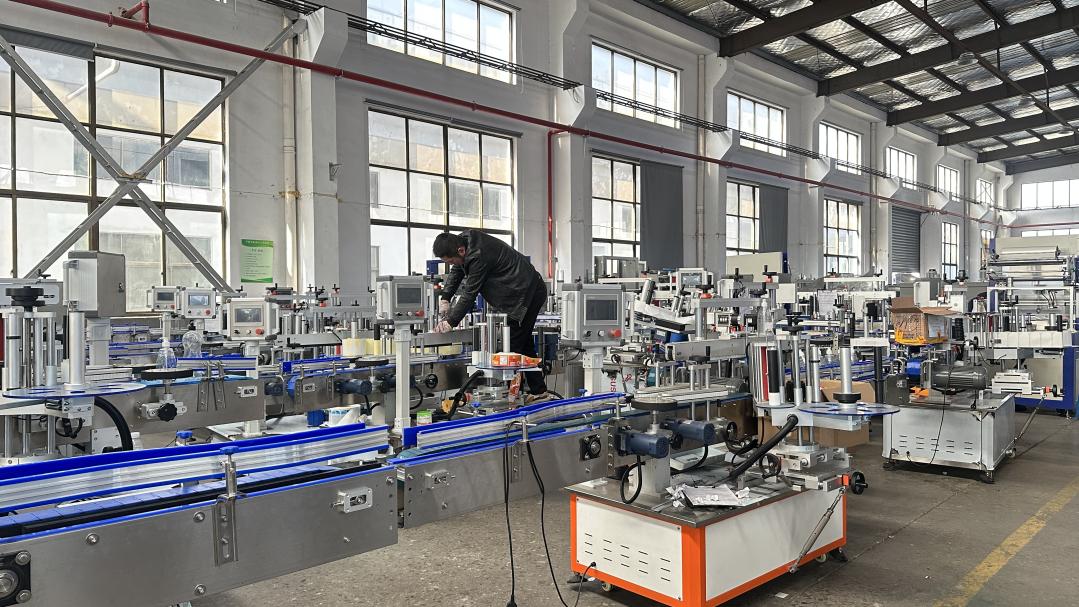
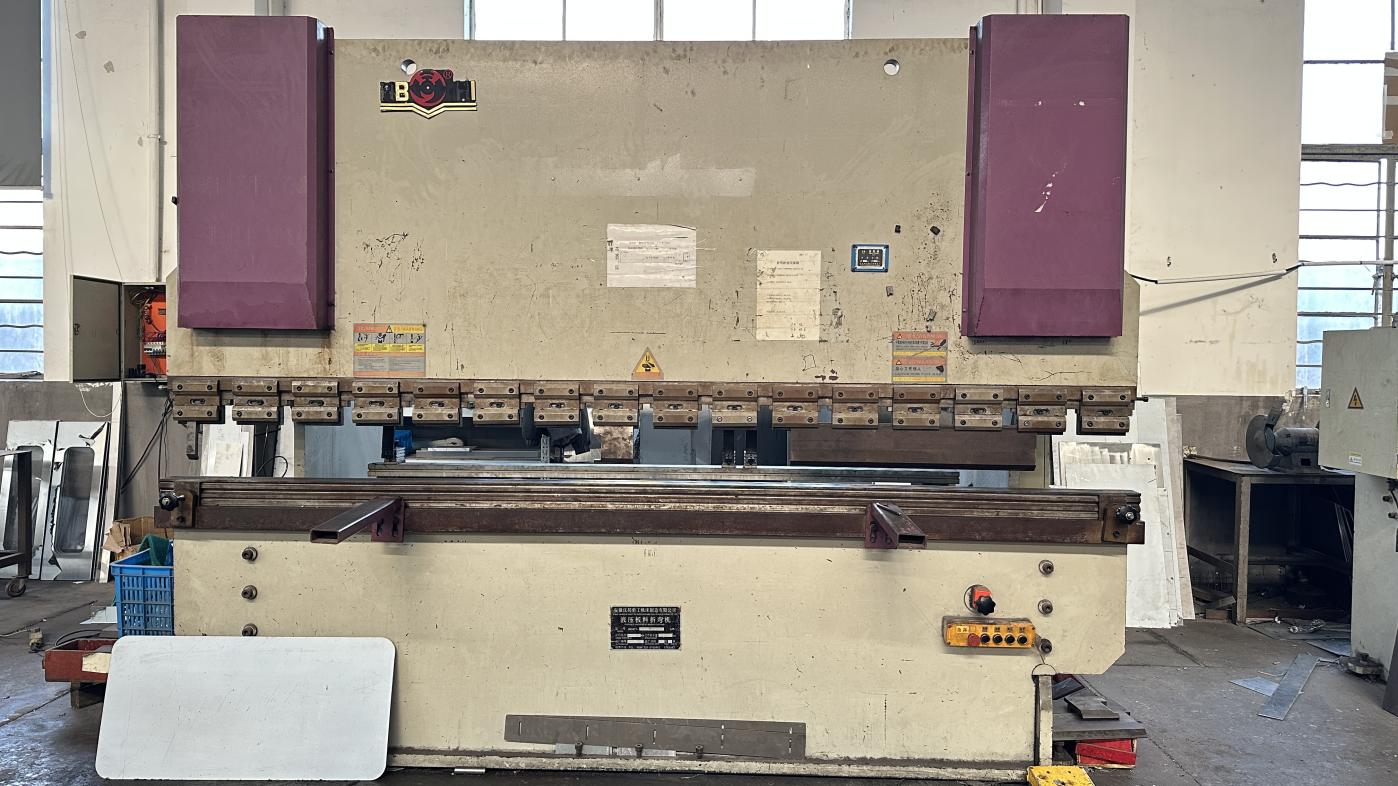
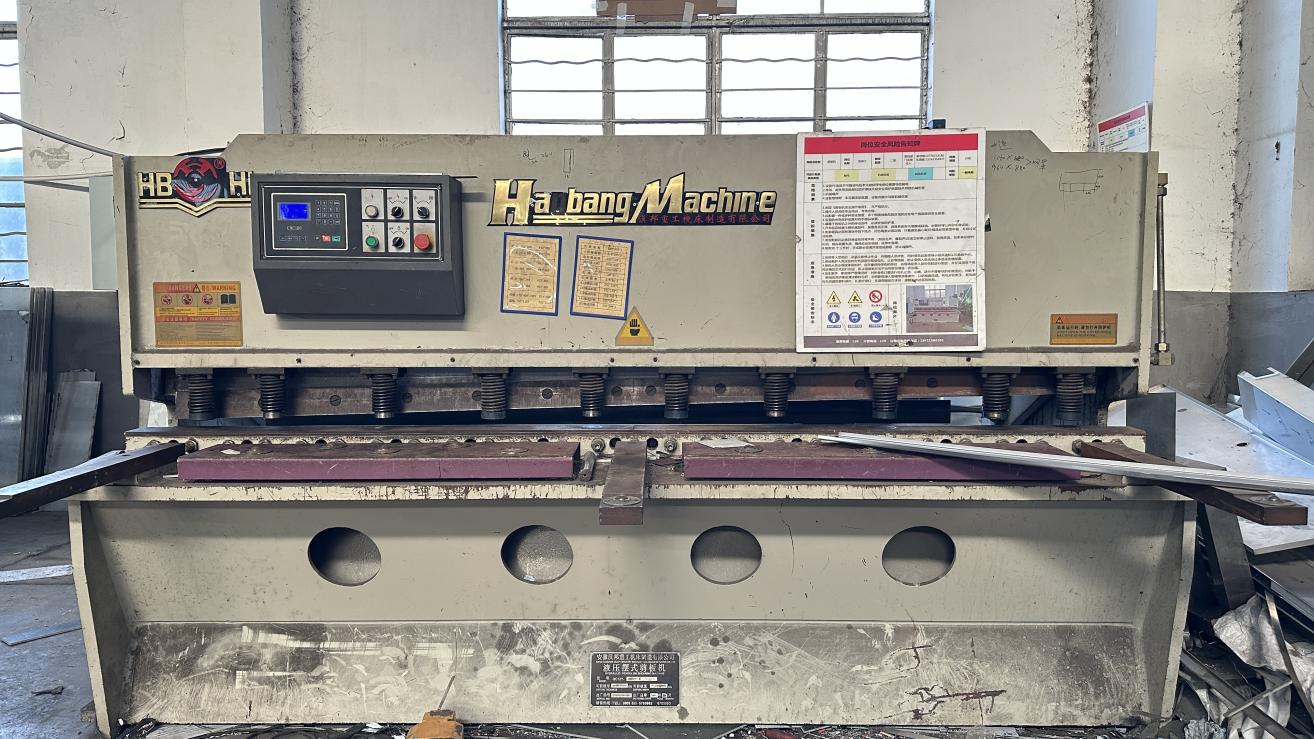
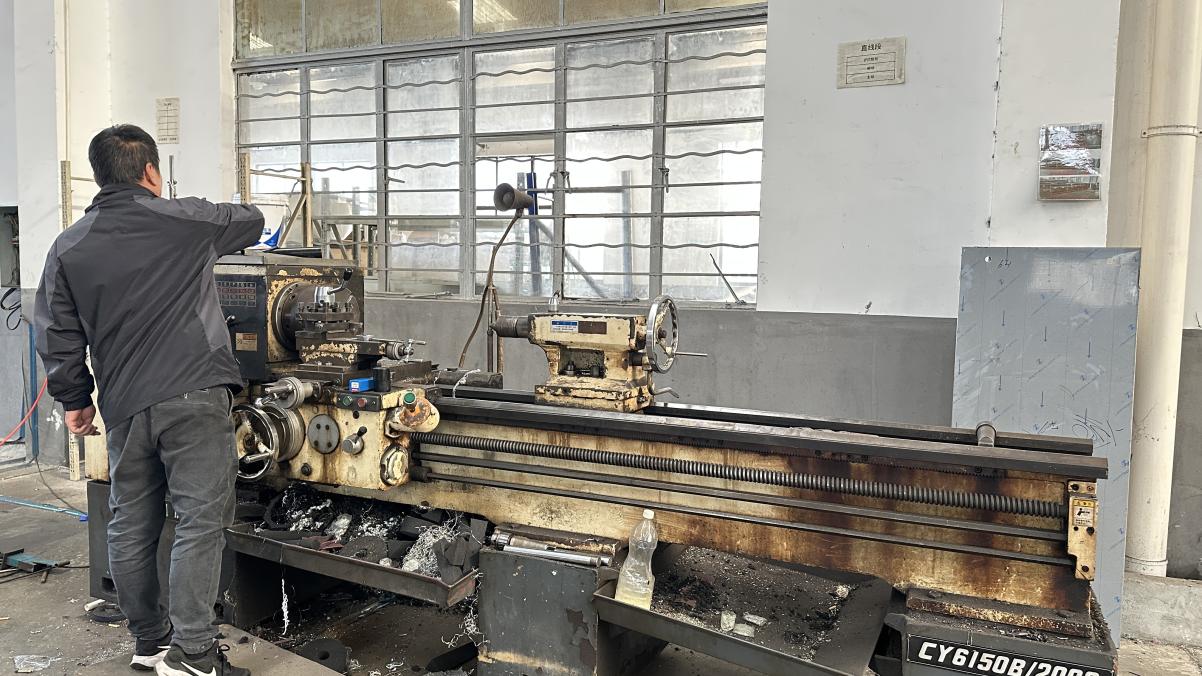
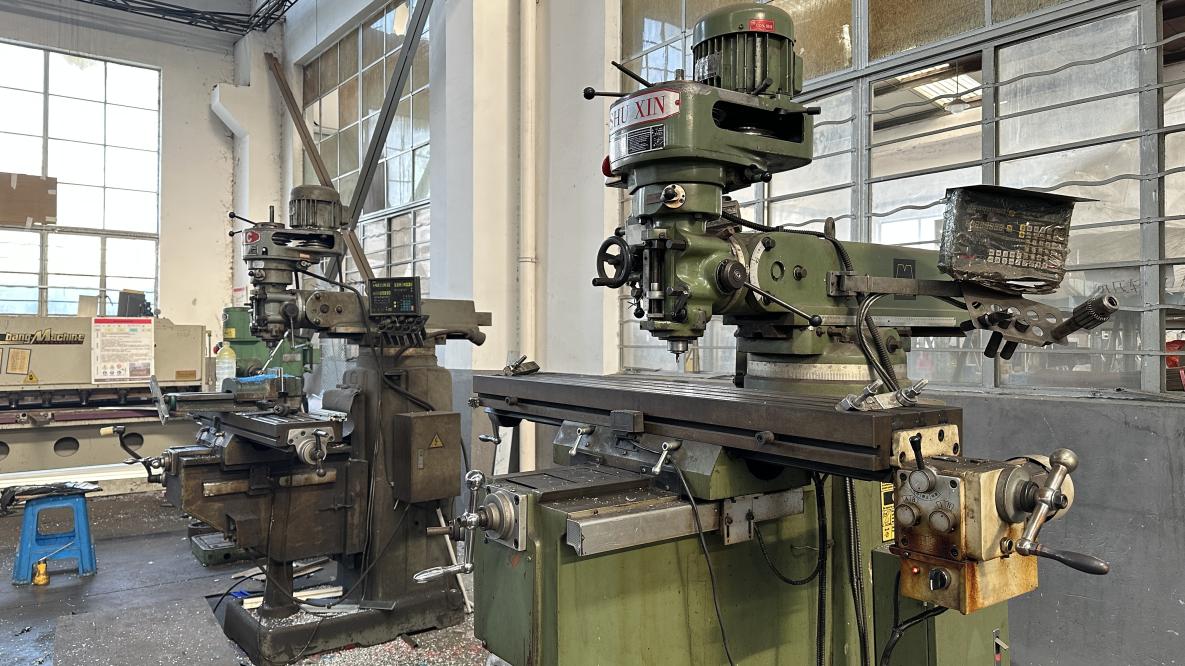
As a leading Chinese supplier of packaging machinery, Shanghai Jinye Machinery Co., Ltd. has built a reputation for innovation and customer satisfaction. Headquartered in Shanghai, China, our advanced manufacturing facility operates under a comprehensive quality management system. We integrate design, production, and service into a seamless, one-stop operation. By investing in modern fabrication machinery—such as CNC machining centers, laser cutting systems, and high-precision bending tools—we ensure that every frame, conveyor, and thermal chamber meets high standards of stability and accuracy.
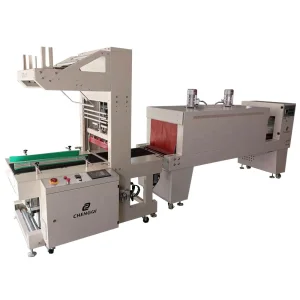
This commitment to quality underpins all our products, including hooding machines, shrink wrapping machines, sleeve wrapping machines, and full pallet packaging systems. These solutions are used worldwide in sectors like food, dairy, logistics, and industrial manufacturing. By using high-grade electrical components (such as Siemens PLC units and Schneider electric components), we manufacture machines designed to operate continuously under heavy factory workloads. Our engineering team designs customized packaging configurations tailored to each client's specific floor space, speed targets, and film requirements.
How packaging lines adjust configurations based on local industrial environments and environmental regulations.
Different markets present unique challenges for high-speed thermal shrink lines. For instance, in the European Union, packaging regulations focus on reducing carbon footprints and increasing recyclability. As a result, companies are adopting thinner, biodegradable, or recycled shrink films. Shrink tunnels operating in these areas must have precise temperature controls. Because recycled materials often have a narrower window of heat tolerance, the tunnels must keep temperature fluctuations within a small range (less than 1.5°C) to prevent melting or incomplete shrinkage.
In contrast, packaging facilities in North America focus heavily on throughput speed and line integration. These operators require tunnels that can work seamlessly with automated wrappers and tray sealers. High-speed product sensors, automatic cooling stations, and integration with downstream checkweighers or palletizing systems are essential. In parts of the Middle East and Africa, where factory temperatures and humidity can be high, cooling systems are key. These lines rely on high-capacity air-chilling blowers at the tunnel exit to quickly set the film shape before the products are loaded into shipping cases.
Answers to common questions about selecting, configuring, and maintaining industrial shrink tunnel machinery.
Explore our heavy-duty wrapping solutions designed for integration into packaging lines.