Jinye Machinery Jinye Machinery

China Top 10 L Bar Sealer Heating Elements How to Choose?

Time:2026-10-18 Author:Liam
0%

Choosing an L-bar sealer heating element is a practical decision, not merely a price comparison. The right part must match the machine’s sealing length, voltage, wattage, wire shape, and control system. A small mismatch can create weak seals, burnt film, uneven heating, or repeated downtime.

This guide examines ten notable heating element options from China and explains how to compare them with useful technical details. It addresses nichrome wire and flat-blade designs, resistance accuracy, insulation quality, terminal construction, and compatibility with PTFE tape. Buyers should also check operating temperature, heating speed, service life, and replacement availability. A reliable supplier should provide drawings, resistance data, sample testing, and clear quality-control records. Product photos alone are not enough.

The central question is: How to choose the right heating element for an L-bar sealer? Start with the machine’s nameplate and measure the existing element carefully. Confirm dimensions with a caliper, then compare the rated voltage and power. Observe the seal closely. Does one corner heat slowly? Does the center leave a weak line? These signs often reveal poor alignment or incorrect resistance.

A perfect ranking is difficult. Some suppliers perform well in samples but communicate poorly after delivery. Others offer lower prices with inconsistent materials. Therefore, real-world trials matter. Test several sealing cycles, inspect the cut edge, and record temperature stability. A thoughtful choice balances technical fit, production reliability, supplier support, and long-term replacement costs. Small details matter here.
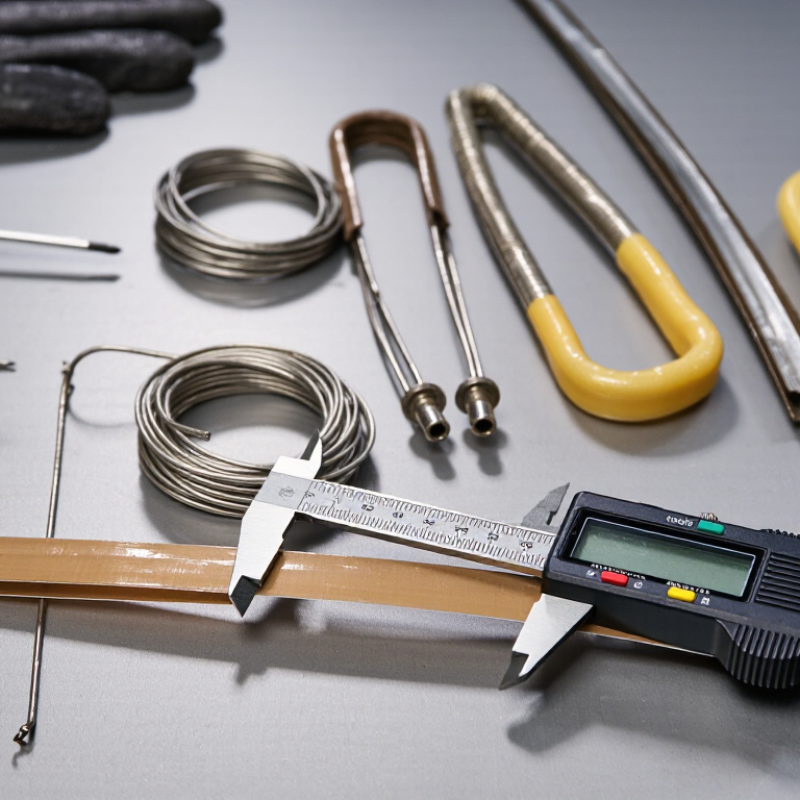
China Top 10 L Bar Sealer Heating Elements How to Choose?

What Are L-Bar Sealer Heating Elements?

L-bar sealer heating elements are the parts that create heat across the machine’s L-shaped sealing arms. They usually contain resistance wire or a flat metal ribbon. When electric current passes through the element, electrical resistance produces controlled heat. The heated surface softens compatible packaging film and forms two sealed edges in one movement.

In practical maintenance work, I check the element’s length, width, resistance, and mounting method before choosing a replacement. A narrow wire may create a thin seal, while a wider ribbon can distribute heat more evenly. The correct material also matters. Some elements suit common polyethylene films, while others perform better with different multilayer structures. Always compare the machine manual with the film supplier’s heating range.

Keep the contact surfaces clean. Dust, burnt film, or uneven tension can cause weak corners and dark marks. I once assumed a broken seal meant the element had failed. That assumption was wrong. A loose terminal and incorrect temperature setting caused the problem.

Technicians should inspect connectors, insulation cloth, spring tension, and timer settings together. Small details matter. Choose an element with stable resistance and accurate dimensions, not merely the lowest price. Record the old part’s measurements before removal, because memory is less reliable than a simple note.

How L-Bar Sealer Heating Elements Work

An L-bar sealer uses a heated wire or coated heating element to cut and seal plastic film. The element forms an L-shaped frame, matching the bag’s two sealing edges. When power reaches the element, electrical resistance creates heat. The hot surface softens the film, while pressure and cooling create a closed seam.

During operation, the film rests across the sealing area. The operator lowers the bar, and a timer controls heating duration. Too little heat leaves weak, cloudy seams. Too much heat burns the film or creates thin spots. Film thickness, material, tension, and ambient temperature all affect performance. A practical test with real packaging is more reliable than a specification sheet alone. I have seen clean-looking seals fail after cooling.

Tips: Check the element’s width, resistance, and mounting style before replacement. Use a suitable temperature range and adjust one setting at a time. Inspect the PTFE covering and silicone support regularly. A damaged cover can cause sticking, uneven pressure, or premature element failure. Keep the sealing surface clean, but avoid sharp tools that scratch it.

Choosing among L-bar sealer heating elements requires attention to heat distribution and service life. A compatible element should heat evenly from the corner to the straight section. Its terminals must fit securely, without loose connections or exposed damage. Record seal width, heating time, and film type during trials. Small notes prevent repeated mistakes, although my first setting is rarely perfect.

Key Specifications for Comparing China’s Top 10 Options

China Top 10 L Bar Sealer Heating Elements How to Choose?

Key Specifications for Comparing China’s Top 10 Options

When comparing China’s top ten heating elements, begin with electrical compatibility. Check rated voltage, wattage, resistance, and connector design against your sealer. A mismatch can cause weak seals or premature failure. Measure the element length and sealing width carefully. Even a small dimensional error may leave unsealed corners.

Material affects durability. Nichrome wire usually offers stable heating and useful oxidation resistance. Ask for wire diameter, insulation type, and maximum working temperature. Ceramic supports can improve heat distribution, but they may crack after repeated impact. Look for temperature uniformity across the full L-shaped path. Uneven heat often appears as cloudy film or loose packaging edges. Measure response time during testing. Fast heating saves energy, yet rapid cycling can increase stress.

I also compare duty-cycle data, replacement availability, and quality-control records. Request resistance-tolerance reports and sample test results, not only catalog claims. A dependable supplier should explain production checks and provide consistent batch measurements. Packaging matters too. Bent leads or scratched insulation can create installation problems before operation begins. I once focused too heavily on price. That choice looked efficient, but downtime cost more than the initial saving. Therefore, compare total operating cost, element life, installation time, and after-sales support. Some specifications remain unclear. Treat unclear data as a risk, not a discount. Test several samples under real sealing temperatures before approving a production purchase.

Step-by-Step Guide to Choosing the Right Heating Element

Choosing an L bar sealer heating element starts with the film, not the machine. Record the film type, thickness, sealing width, and daily workload. Polyolefin film may need a different temperature response than thicker PVC. Measure twice. An experienced operator should inspect old seals for wrinkles, weak corners, or dark burn marks.

Match the element’s length and shape to the sealing frame. Even a small mismatch can create cold spots near the corners. Check resistance, rated voltage, wire terminals, and insulation before ordering. Use the equipment manual, then verify measurements with a caliper. Do not rely on a product photo. For continuous work, request tested cycle data, temperature stability, and clear replacement instructions. These details show whether the element suits production rather than a short trial.

Heat distribution deserves close attention. A suitable element should warm evenly across the bar without excessive delay. Compare warm-up time, sealing pressure, dwell time, and cooling behavior during a controlled test. Keep the test film, room temperature, and operator settings consistent. Record several seals, then inspect bond strength and appearance. One overlooked issue is maintenance: dust, loose terminals, or a bent bar can imitate element failure. I have seen replacement parts blamed too early. That assumption needs checking. Have a qualified technician confirm electrical compatibility before installation.

Installation, Maintenance, and Safety Considerations

China Top 10 L Bar Sealer Heating Elements How to Choose?

Installation affects both sealing quality and operator safety. Before replacing an L bar sealer heating element, disconnect the power and allow the machine to cool completely. Confirm the element’s length, width, resistance, and rated voltage. An incorrect match can create weak seals or excessive heat. Keep the heating wire centered on the sealing bar. Tighten it evenly, but avoid stretching it too firmly. The wire needs room for normal thermal expansion.

During installation, inspect the insulation cloth, ceramic supports, and connecting terminals. Replace cracked insulation or darkened terminals instead of covering the damage. I have seen a new element fail because an old terminal remained loose. That small oversight caused uneven heating. Use insulated tools and keep hands away from exposed electrical contacts. A resistance test with a calibrated multimeter can reveal breaks before production begins.

Maintenance should include cleaning melted film from the bar after every cooling cycle. Never scrape hot residue. Check the element for thinning, discoloration, or sagging during scheduled inspections. A damaged PTFE cover can expose the wire and contaminate seals. Keep the surrounding area dry and free from packaging scraps. Operators should know the emergency stop procedure and understand that repeated fuse trips require investigation, not repeated resetting. No checklist is perfect. Recording temperature, seal appearance, and replacement dates helps reveal patterns that casual inspection may miss.

China Top 10 L-Bar Sealer Heating Elements: How to Choose?

Installation, maintenance, and safety considerations for selecting nichrome heating wire by diameter and electrical resistance.

The chart shows the approximate cold resistance of Nichrome 80/20 round wire in common AWG sizes. Values are calculated from standard AWG cross-sectional areas and a typical room-temperature resistivity of approximately 1.09 × 10⁻⁶ Ω·m. Actual resistance increases as the element heats, so final sizing must be verified against the sealer’s voltage, power, wire length, and controller limits.

Selection

Choose the wire diameter and length to achieve the required resistance using R = V²/P. Confirm that the element fits the L-bar groove and matches the machine’s rated power.

Installation

Disconnect power, use the correct insulating tape or fabric, keep the wire evenly tensioned, and prevent contact with metal parts that are not designed to carry current.

Maintenance

Inspect the element, PTFE film, terminals, and insulation regularly. Replace parts showing oxidation, uneven heating, deformation, contamination, or increased electrical resistance.

Safety

Use over-temperature protection, proper grounding, a guarded sealing area, and lockout procedures before service. Never touch or clean the heating element while energized or hot.

FAQS

What is an L-bar sealer heating element?

It is the heat-producing part inside an L-shaped sealing arm. Electrical resistance warms the element and softens compatible packaging film. One movement can seal two edges.

Which specifications should I check before buying a replacement element?

Compare length, width, voltage, wattage, resistance, and connector design. Also check the mounting method and insulation type. Small measurement errors can leave corners open.

Which materials are commonly used in these heating elements?

Resistance wire and flat metal ribbon are common choices. Nichrome wire usually provides stable heating and oxidation resistance. Wider ribbon can distribute heat more evenly.

How can I choose an element for different packaging films?

Match the element’s working temperature with the film supplier’s heating range. Some films need different heat levels or sealing times. Test samples first. Catalog information may be incomplete.

What causes weak seals or dark marks?

Dust, melted film, uneven tension, loose terminals, or incorrect temperature can cause problems. A broken-looking seal does not always mean the element failed. Inspect the entire heating system.

How should I install a new heating element safely?

Disconnect power and let the machine cool completely. Use insulated tools and keep hands away from exposed contacts. Center the element on the sealing bar. Do not stretch it too tightly.

What should I inspect during installation?

Check the insulation cloth, ceramic supports, terminals, and spring tension. Replace cracked insulation or darkened terminals. A loose old terminal can damage a new element.

How can I maintain and test the heating element?

Remove melted film after each cooling cycle, never while the bar is hot. Check for thinning, discoloration, sagging, or damaged protective covers. Use a calibrated multimeter to test resistance before production. Record temperatures and replacement dates.

Conclusion

L-bar sealer heating elements are consumable components that generate the heat needed to cut and seal thermoplastic film. They typically use a resistance wire or ribbon supported by insulation and a protective surface. When powered, the element reaches a controlled temperature, allowing the sealing bar to create a clean, consistent package edge. China’s top 10 options can vary in material, dimensions, wattage, voltage, heating speed, temperature stability, and service life, so comparison should focus on actual machine compatibility rather than price alone.

To determine how to choose the right heating element for an L-bar sealer, first confirm the sealer model, element length, width, shape, voltage, and power rating. Then consider the film type, required sealing temperature, operating frequency, and replacement availability. Installation should follow the equipment manual, with the power disconnected and the element evenly tensioned to prevent weak seals or premature failure. Regularly remove film residue, inspect insulation and wiring, and avoid overheating. Selecting a properly matched element improves sealing quality, reduces downtime, and supports safer, more efficient operation.

Liam

Liam

Liam is a dedicated marketing professional with a profound expertise in the industry, where he excels at highlighting the unique advantages of our core products. With a keen understanding of market trends and consumer needs, Liam frequently updates our company’s professional blog, providing......