Jinye Machinery Jinye Machinery

2026 How to Choose the Right Shrink Film Thickness for Heavy Pallets?

Time:2026-08-04 Author:Mason
0%

Choosing the right shrink film thickness for heavy pallets is crucial. Many factors come into play, including the weight and dimensions of the pallet. According to industry expert John Smith, "The right thickness ensures stability and protection during transit."

When determining "What thickness of shrink film do I need for heavy pallets," consider the load's total weight and how it will be handled. Often, thicker films provide better strength and durability. They can withstand the rigors of transportation while securing products firmly. However, these films may also come with added costs and can be harder to handle.

It's important to strike a balance between strength and practicality. Sometimes, companies choose a thicker film without assessing their actual needs. This can lead to wasted resources and increased expenses. Instead, analyze your specific requirements. Assess how your pallets will be stored and transported. Making the right choice in thickness can streamline operations and enhance safety.
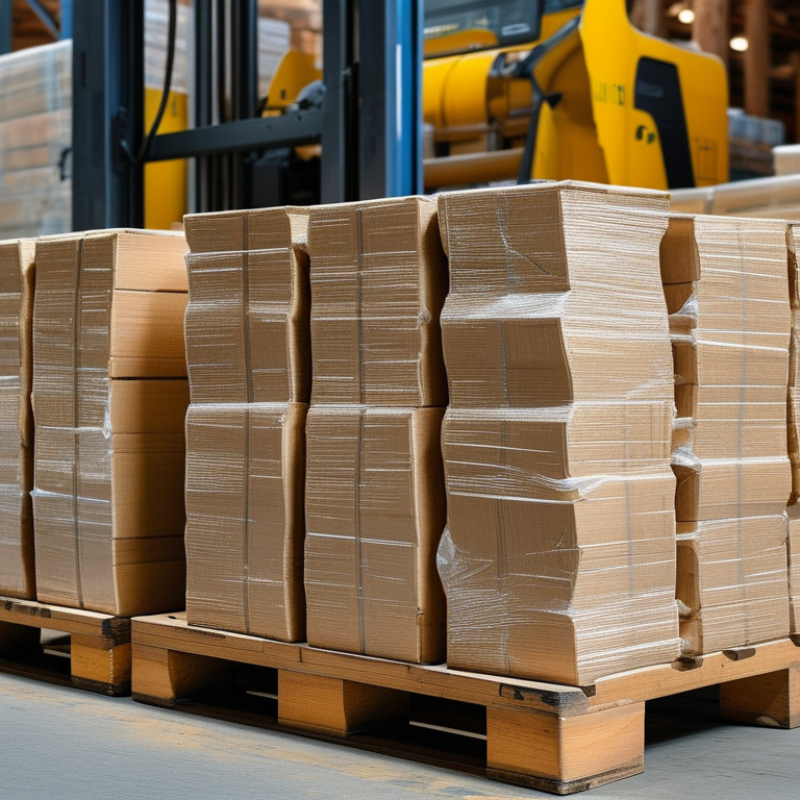
2026 How to Choose the Right Shrink Film Thickness for Heavy Pallets?

Understanding Shrink Film Thickness and Its Importance for Heavy Pallets

When selecting shrink film for heavy pallets, understanding thickness is crucial. The right gauge provides strength and support. It prevents tearing during shipment and handling. Heavy pallets, often weighing over 1,500 pounds, require robust film. A thickness of 60 to 100 microns is common for heavy loads. This ensures that the shrink film withstands the rigors of transport.

Thickness directly impacts the film’s ability to secure products. Thicker films are less prone to punctures. However, using excessively thick film can lead to increased costs and waste. Finding the sweet spot in thickness is key. Many industries overlook this detail, leading to packaging failures. Insufficient thickness can result in product damage.

Experience plays a significant role in selecting the right film. Observations from previous shipments can guide decisions. Still, it’s essential to assess specific needs regularly. Conditions such as weight distribution and pallet configuration can vary. Testing different film gauges may provide insights. This iterative approach can enhance efficiency and reduce costs over time.

Factors to Consider When Selecting Shrink Film Thickness

When selecting the right shrink film thickness for heavy pallets, several factors come into play. The weight and dimensions of your pallets significantly influence the required thickness. Reports indicate that heavy pallets typically need films ranging from 75 to 150 microns. Thicker films provide greater strength and protection, but at a higher cost. Conversely, lighter films can save money but might not withstand the rigors of transport.


Another aspect to consider is the type of products being packaged. For instance, sharp or irregular edges can puncture thinner films, leading to damage. According to a recent industry analysis, 30% of damaged goods are due to inadequate packaging. Proper thickness can minimize this risk and enhance product safety.


Tips: Evaluate the environmental conditions your pallets will face. Extreme temperatures or moisture can degrade thinner films. It might be wise to conduct a trial with different thicknesses. Document the performance of each thickness under real shipping conditions. This assessment helps refine your selection process and ensures that your products arrive in optimal condition. Remember, bending the rules of thickness can lead to unintended consequences.

Common Thickness Options for Heavy Pallet Applications

When selecting shrink film thickness for heavy pallets, various options exist. Common thickness choices typically range from 60 to 120 gauge. Thicker films like 120 gauge provide greater puncture resistance. They are ideal for very heavy loads. Conversely, thinner films, around 60 gauge, may suffice for lighter loads or when cost is a concern.

Pallets with irregular shapes or sharp edges can cause damage to thinner films. Therefore, using a thicker film can be a safer choice in such cases. Another factor to consider is the speed of your packaging line. Thicker films may slow down production. However, they offer enhanced load stability during transport. This trade-off can influence your decision.

It's essential to evaluate your specific needs carefully. Analyze the weight and fragility of your products. Consider environmental factors during shipping. Temperature fluctuations may affect film performance. Regular testing can help determine the best thickness over time. Embracing flexibility in your film choice can lead to improved efficiency.

2026 How to Choose the Right Shrink Film Thickness for Heavy Pallets?

Advantages and Disadvantages of Thicker vs. Thinner Films

When selecting shrink film thickness for heavy pallets, both thicker and thinner options have their pros and cons. Thicker films tend to provide better protection against punctures and tears. This durability is crucial for heavy loads that require secure containment during transport. The enhanced strength minimizes the risk of damage to goods. However, thicker films can be more costly and may add unnecessary weight to the load, which could impact shipping expenses.

On the other hand, thinner films are lighter and often more economical. They can save costs, especially when dealing with large quantities. While they might not offer the same level of puncture resistance, they are suitable for lighter products or less hazardous transport conditions. A potential downside is the increased risk of damage during handling. Evaluating the shipping environment is essential. Ensure that the choice aligns with the specific needs of your products and transport strategy.

Finding a balance between thickness and cost is key. Not every situation calls for thicker films. In some cases, the benefits of lighter films may outweigh the risks. It’s worth reflecting on these aspects to determine the best fit for your situation. Ultimately, consider how different film thicknesses can impact both safety and budget.

2026 How to Choose the Right Shrink Film Thickness for Heavy Pallets? - Advantages and Disadvantages of Thicker vs. Thinner Films

Film Thickness Advantages Disadvantages Recommended Usage
50 micron (2 mil) Cost-effective; Lightweight; Good clarity Less durable; Lower puncture resistance Medium-weight items; Retail packaging
75 micron (3 mil) Balanced strength and cost; Better seal integrity Moderately higher cost than thinner films Heavy pallets; Warehouse storage
100 micron (4 mil) High durability; Excellent puncture resistance Higher cost; Less clarity Very heavy items; Long-term storage
150 micron (6 mil) Maximum protection; Suitable for rough handling Most expensive; Heaviest option Industrial applications; Export shipments

Best Practices for Testing and Evaluating Film Performance on Heavy Loads

Choosing the right shrink film thickness for heavy pallets is crucial for effective load stabilization. When testing film performance, the initial step involves understanding the weight and dimensions of your pallets. This foundational knowledge greatly impacts the effectiveness of the film you select. It’s vital to consider the variations in weight distribution and how they influence shrinkage and protection.

Conducting real-world tests is essential. Consider wrapping a few pallets with the selected film and evaluate its performance. Look for signs of slippage, load shifting, or any tearing. For heavy pallets, thicker films generally provide better support. However, thicker films can also increase costs. Weighing cost against performance requires careful consideration and adjustments based on specific needs.

Documenting results from your tests will help refine your approach. Not every film will perform perfectly every time. Sometimes, you might find that a lighter film works better for specific load configurations. Assessing the performance under different conditions can lead to unexpected discoveries. Exploring film options must be a trial-and-error process to achieve optimal results.

FAQS

: What are the benefits of using thicker films for heavy pallets?

: Thicker films offer better protection against punctures and tears during transport, ensuring goods remain secure.

Are there drawbacks to thicker films?

Yes, thicker films can be more expensive and add extra weight, possibly increasing shipping costs.

Why might someone choose thinner films?

Thinner films are lighter and generally more economical, making them suitable for less hazardous transport situations.

What are the risks of using thinner films?

Thinner films have lower puncture resistance, increasing the risk of damage during handling and transport.

How can one determine the correct film thickness?

Consider the weight and dimensions of your pallets, along with their distribution during shipping.

Is testing necessary for film performance?

Absolutely. Real-world tests can highlight issues like slippage or tears while evaluating the film's effectiveness.

Can lighter films sometimes outperform heavier films?

Yes, in specific load configurations, lighter films may prove more effective than thicker options.

How should results from film tests be handled?

Document your findings carefully, as this helps refine future choices and improve load stability.

Is it common to experience issues with film performance?

Yes, not every film will perform perfectly every time; it often requires adjustments based on specific needs.

What should be kept in mind when selecting shrink films?

Find a balance between cost and performance for optimal safety and budget considerations.

Conclusion

Choosing the right shrink film thickness for heavy pallets is crucial for ensuring effective protection and stability during transportation and storage. When asking, "What thickness of shrink film do I need for heavy pallets?" several factors come into play, including the weight and dimensions of the pallets, the types of goods being packaged, and the environmental conditions they will face. Common thickness options typically range from 50 to 90 microns, with each thickness offering different advantages and trade-offs.

Thicker films generally provide better puncture resistance and load stability but can be more expensive and less flexible. Conversely, thinner films may reduce costs and offer easier handling but could compromise load security. Best practices include thorough testing of film performance under actual load conditions to ensure that the selected thickness meets specific requirements and delivers optimal results in protecting heavy loads.

Mason

Mason

Mason is a seasoned marketing professional with a deep expertise in the company's offerings and a passion for driving brand awareness. With a strong background in digital marketing strategies, he has an innate ability to connect with diverse audiences and effectively communicate product benefits.......