Choosing the right packaging method is crucial. Experts suggest that understanding each technique can lead to better efficiency. John Smith, a leading packaging engineer, once said, “The right choice can enhance product protection and reduce costs.” In the industry, the decision often comes down to stretch hooding versus shrink wrapping.
Stretch hooding uses stretchy films that cling to products, providing a flexible barrier. In contrast, shrink wrapping applies heat to create a tight seal around items. Each method has its strengths. Consider product type, storage conditions, and transport needs. For example, stretch hooding is often preferred for outdoor storage, while shrink wrapping is typically used for smaller items.
Reflecting on your product's requirements is essential. Is durability your main goal? Or perhaps ease of handling? Evaluating these factors can guide decision-making. Ultimately, knowing how to choose between stretch hooding and shrink wrapping will lead to improved outcomes in packaging strategies.
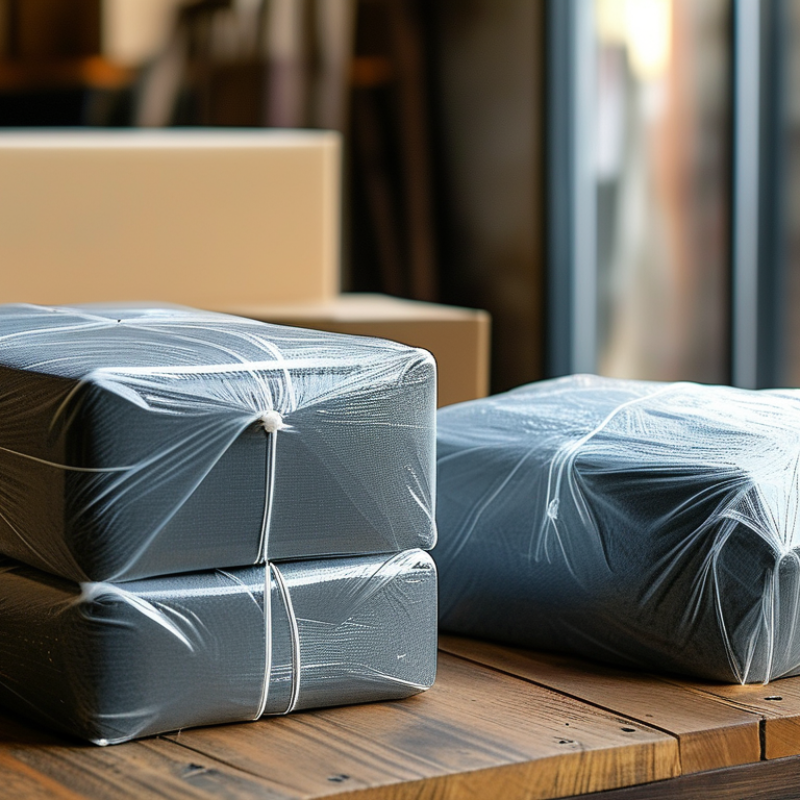
Key Differences Between Stretch Hooding and Shrink Wrapping Techniques
When choosing between stretch hooding and shrink wrapping, it's essential to understand their key differences. Stretch hooding uses elastic film to tightly cover products. This technique offers a snug fit, reducing the risk of movement during transport. However, finding the right film with adequate stretch and strength can be challenging. Not every product may be suitable for this method, so assessing your packaging needs is critical.
On the other hand, shrink wrapping utilizes heat to tighten the film around items. This method provides a clean, tight package, protecting products from dust and moisture. While versatile, it may not always offer the same stability as stretch hooding during rough handling. Effective heat application is vital for a secure wrap. Mistakes in this process can lead to wrinkles or inadequate sealing, which require rework. Some products may not withstand the heat, creating limitations.
Both methods have their advantages and drawbacks. Choosing the right one depends on specific product characteristics and storage conditions. It’s crucial to evaluate your packaging goals and operational capabilities. Making the best choice can significantly impact the protection and presentation of your goods. Reflecting on past experiences with both techniques may guide your decision.
Comparison of Stretch Hooding and Shrink Wrapping Techniques
Advantages of Stretch Hooding: Cost and Efficiency Considerations
When considering packaging methods, stretch hooding becomes increasingly attractive due to its cost-effectiveness and operational efficiency. A recent industry report indicates that stretch hooding can reduce packaging material costs by up to 30% compared to shrink wrapping. This is particularly significant for businesses that prioritize budget management without sacrificing quality. Furthermore, stretch hoods often improve load stability, ensuring products remain secure during transportation.
One of the standout advantages of stretch hooding is its versatility. It can adapt to various product shapes and sizes without significant adjustments. This flexibility leads to minimal downtime in production processes. According to studies, facilities that utilize stretch hooding have reported up to a 20% increase in throughput.
Tips: When transitioning to stretch hooding, consider the type of products you package. Products with irregular shapes may require additional testing. Additionally, always evaluate the environmental impact of your packaging choices. A balance of sustainability and efficiency is crucial in today’s market.
Benefits of Shrink Wrapping: Protection and Aesthetics Analysis
Shrink wrapping offers various benefits that cater to both protection and aesthetics. The primary function of shrink wrapping is to safeguard products from environmental elements. It provides a tight seal that keeps moisture, dirt, and dust at bay. This is essential for items that are stored for long periods or transported across different climates. The durability of the shrink film resists tears and punctures, ensuring that the contents remain secure throughout their journey.
Aesthetics play a significant role in packaging decisions. Shrink wrapping offers a clean, professional look that enhances the presentation of products. The clear film allows consumers to see the product inside while providing a glossy finish that catches the eye. Products wrapped in shrink film often appear more appealing on store shelves. However, sometimes the film can leave behind residue or marks, requiring extra cleaning. Reflecting on this, brands might need to weigh the pros and cons of visual appeal versus potential post-sale touch-ups.
In conclusion, shrink wrapping provides advantages in both protection and appearance. Yet, companies must consider the specific needs of their products and the potential drawbacks of the packaging method chosen. The right balance will depend on product type, storage conditions, and intended customer experience.
Industry Applications: When to Use Stretch or Shrink Solutions
Choosing between stretch hooding and shrink wrapping often depends on the specific needs of your application. Stretch hooding is typically used for palletized products. It offers a tight fit around items, providing superior protection against dust and moisture. This method is ideal for transporting goods that require stability. On the other hand, shrink wrapping is more versatile. It conforms closely to the shape of the products, making it an efficient choice for irregular shapes.
In industries like food and beverage, both methods have their merits. Stretch hooding is favored for stacking due to its strength and ability to withstand transport conditions. In contrast, shrink wrapping is commonly used for single items, providing a tamper-evident seal. Each method has unique advantages. However, their effectiveness relies on the specific product characteristics. Factors such as weight, shape, and surface texture should be carefully considered.
It’s essential to test both methods before making a final decision. Small adjustments can lead to significant improvements. Not every product will fit perfectly into one category. Both solutions may require trial and error to find the best fit. Reflecting on these nuances helps ensure optimal packaging results.
How to Choose Between Stretch Hooding and Shrink Wrapping - Industry Applications
| Application |
Stretch Hooding |
Shrink Wrapping |
Best For |
| Palletized Goods |
Highly effective, quick application |
Good for smaller packages |
Large items, high stacking |
| Food Packaging |
Not typically used |
Very common, keeps food fresh |
Perishable goods |
| Industrial Parts |
Superior protection against dust |
Often requires protective cushioning |
Long-term storage |
| Retail Products |
Great for visibility and branding |
Popular for shrink-to-fit display |
In-store presentation |
Cost Comparison: Evaluating Total Cost of Ownership in Packing Solutions
When comparing stretch hooding and shrink wrapping, total cost of ownership plays a crucial role. Stretch hooding often requires a higher initial investment due to advanced machinery. However, the material costs for stretch film can be lower over time. Shrink wrapping, on the other hand, generally has lower upfront costs. But the continual need for heat sources may increase operational expenses.
Durability is another factor that influences costs. Stretch hoods can better resist environmental factors like moisture and dust. This translates to savings in damages and returns. In certain settings, shrink wrapping may need more frequent replacements. This can add up over time, complicating cost comparisons. Assessing these dynamics offers deeper insights into your long-term packaging expenses.
Additionally, labor costs should not be overlooked. Stretch hooding typically automates the process, reducing labor needs. However, shrink wrapping often involves manual application. The latter can lead to inconsistencies, requiring more oversight. Evaluating both methods requires a thorough understanding of your specific packaging needs and goals. An informed choice can lead to significant savings and efficiency gains in the long run.
FAQS
: Stretch hooding uses elastic film to cover products tightly, reducing movement during transport.
Stretch hooding offers cost savings, better load stability, and minimal downtime in production processes.
Shrink wrapping uses heat to tighten film around items, offering a clean package while protecting from dust and moisture.
It may provide less stability during rough handling and can create issues like wrinkles if heat application is incorrect.
Stretch hooding may have higher initial costs but lower material costs over time, while shrink wrapping has lower upfront costs but ongoing expenses.
Understanding long-term costs, including durability and labor, is crucial for making an informed packaging decision.
It can adapt to various shapes, but irregular products may require additional testing for optimal results.
Stretch hooding often automates the process, reducing labor needs and minimizing inconsistencies during packaging.
Yes, choosing the best method depends on product characteristics, storage conditions, and specific operational needs.
Past experiences with both methods can influence future decisions. Consider the balance between sustainability and efficiency.
Conclusion
When considering "how to choose between stretch hooding and shrink wrapping," it is essential to understand the key differences between these two packing techniques. Stretch hooding offers advantages in terms of cost and efficiency, making it a preferred choice for industries focused on maximizing speed and reducing expenses. On the other hand, shrink wrapping provides excellent protection and aesthetic appeal, which can be crucial for products sensitive to damage and those needing visual presentation.
In evaluating the two methods, industry applications play a significant role; stretch hooding is often suitable for bulk packaging, while shrink wrapping is ideal for smaller, more delicate items. Additionally, a thorough cost comparison helps businesses assess the total cost of ownership for both solutions, ensuring that they make informed decisions that align with their packaging needs and budget constraints. Ultimately, choosing the right technique depends on a careful consideration of these factors.
 Jinye Machinery
