Jinye Machinery Jinye Machinery

What is the difference between shrink wrap and stretch wrap?

Time:2026-07-10 Author:Mason
0%

In the packaging industry, one common question arises: "What is the difference between shrink wrap and stretch wrap?" Industry expert John Smith, a certified packaging specialist, states, "Understanding the nuances between these wraps can save costs and enhance efficiency."

Shrink wrap is often used for securing products tightly. It shrinks around the item when heat is applied. Stretch wrap, on the other hand, is designed to stretch and cling. It wraps around products to provide stability during transport. While both serve protective functions, their applications differ significantly.

Having clarity on these differences can prevent confusion. Some companies misuse these materials, leading to damaged goods. As Smith emphasizes, clarity and proper usage maximize benefits. Understanding "What is the difference between shrink wrap and stretch wrap" helps businesses maintain reliability and efficiency in their operations.
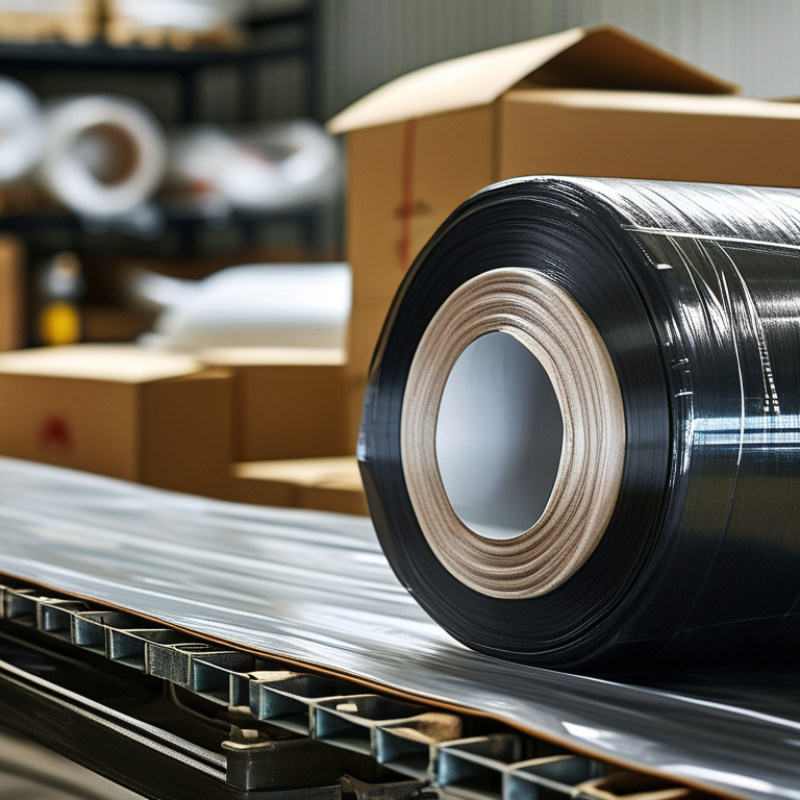
What is the difference between shrink wrap and stretch wrap?

Differences in Material Composition Between Shrink Wrap and Stretch Wrap

Shrink wrap and stretch wrap serve distinct purposes in packaging, primarily due to their material composition. Shrink wrap is typically made from polyolefin or PVC. When heat is applied, it shrinks tightly around the product, creating a snug fit. This material is ideal for packaging items such as books or food bundles because it provides a clear view of the product while offering protection against dust and moisture.

In contrast, stretch wrap, often produced from linear low-density polyethylene (LLDPE), is designed to stretch around products for a tight hold. It is used extensively in palletizing goods for shipping. The elasticity of stretch wrap allows it to secure unevenly shaped items together. While both materials offer protection, their applications vary significantly. Shrink wrap is generally more secure for individual items. Stretch wrap excels in bulk packaging, allowing for flexibility and ease of use.

Understanding these differences in material composition is vital. Choosing the wrong type of wrap can lead to damaged goods. Shrink wrap may not provide the necessary stretch for large bundles. Stretch wrap, on the other hand, won't protect smaller items as effectively. It's essential to assess the needs of your products before deciding. Each type offers unique benefits, but misuse can lead to frustrating results.

Comparison of Shrink Wrap and Stretch Wrap

Applications and Uses: When to Choose Shrink Wrap vs. Stretch Wrap

When it comes to packaging, understanding the difference between shrink wrap and stretch wrap is essential. Shrink wrap is a plastic film that shrinks tightly over items when heat is applied. It's ideal for protecting products from dust and moisture. This makes shrink wrap perfect for bundling smaller items or securing items for long-term storage. You often see it used on pallets of goods or individual product packaging.

Stretch wrap, on the other hand, is designed to be stretched and wrapped around items. It clings to itself, providing a tight hold without the need for heat. This characteristic makes it suitable for securing large items, such as furniture or machinery. Stretch wrap is great for maintaining stability during transport. However, it may not provide the same level of protection against environmental factors as shrink wrap does.

Choosing between shrink wrap and stretch wrap depends on your specific needs. If you seek protection and a snug fit, go for shrink wrap. If you need flexibility and ease of application, stretch wrap is the better choice. Both methods have their pros and cons. Reflecting on the specific situation can help you make a more informed decision.

Performance Characteristics: Strength and Durability of Each Wrap Type

Shrink wrap and stretch wrap serve unique purposes in packaging, but their performance characteristics reveal key differences. Shrink wrap, made from thin plastic film, uses heat to conform tightly around items. This method provides excellent protection against dust and moisture. Reports indicate that shrink wrap can withstand temperatures as high as 200°F, making it suitable for various applications.

On the other hand, stretch wrap, typically used for pallet stabilization, is known for its elasticity. It can stretch up to 300% of its original size without breaking. This characteristic ensures that products remain secure during transit. Industry studies show that stretch wrap can handle loads of up to 2,200 pounds, effectively preventing shifting and damage. Despite its benefits, a downside can emerge with heavy items causing the wrap to lose elasticity over time.

Both options exhibit strengths and vulnerabilities. Shrink wrap can sometimes be too rigid for irregularly shaped products. Stretch wrap may require multiple layers for full protection. Understanding these nuances is essential for selecting the appropriate wrap for specific needs. A careful assessment can save costs and improve product safety during transportation and storage.

Cost Analysis: Price Comparisons for Shrink Wrap and Stretch Wrap

Shrink wrap and stretch wrap serve distinct purposes in packaging, impacting their cost significantly. Shrink wrap typically costs between $0.15 to $0.30 per square foot, depending on thickness and type. Stretch wrap is often cheaper, ranging from $0.12 to $0.25 per square foot. This price difference influences many businesses when choosing between the two.

A report from the LBP Packaging Group indicates that stretch wrap is often preferred for palletizing. Its stretchable nature allows for a tighter grip around products, reducing movement during transport. Shrink wrap, while providing a more secure seal, may require heating equipment, increasing operational costs. Companies should evaluate their packaging needs before making a decision.

Tips: Consider your product size and shape. For irregular items, shrink wrap may offer better coverage. Always calculate the total cost of ownership, including equipment and labor. Are you really assessing all variables? It's essential to reflect on whether cost is overshadowing quality in your packaging approach.

Environmental Impact: Sustainability of Shrink Wrap vs. Stretch Wrap

Shrink wrap and stretch wrap are popular packaging materials, but their environmental impact varies significantly. Shrink wrap is often made from polyvinyl chloride (PVC) or polyethylene, which can be harmful to the planet. PVC production releases harmful toxins. According to a 2022 report, nearly 90% of PVC waste ends up in landfills, contributing to long-term pollution.

In contrast, stretch wrap, usually made from low-density polyethylene (LDPE), is more recyclable. Informed estimates suggest that around 30% of stretch wrap is collected and recycled, a stark contrast to shrink wrap. Still, stretch wrap has its shortcomings. The production of LDPE also consumes fossil fuels, contributing to greenhouse gas emissions. A lifetime study on plastic usage found that both materials pose sustainability challenges.

Tips: When selecting packaging, consider recycling programs in your area. Recycling can turn waste into new materials. Look for alternatives, such as biodegradable films. Biodegradable options reduce reliance on non-renewable resources. A mindful choice can lead to positive changes.

FAQS

: What is shrink wrap?

: Shrink wrap is a plastic film that shrinks tightly over items when heat is applied, providing protection.

When should I use shrink wrap?

Use shrink wrap for bundling smaller items or securing products for long-term storage, protecting them from dust and moisture.

What is stretch wrap?

Stretch wrap is a plastic film designed to stretch and cling to itself around items without heat.

When is stretch wrap more suitable?

Stretch wrap is ideal for securing large items like furniture or machinery during transport due to its flexibility.

How do costs compare between shrink wrap and stretch wrap?

Shrink wrap costs about $0.15 to $0.30 per square foot, while stretch wrap is cheaper, costing $0.12 to $0.25.

What about the environmental impact of these materials?

Shrink wrap can be harmful, with high landfill waste. Stretch wrap is more recyclable but still has environmental concerns.

Should I consider recycling options?

Yes, look into local recycling programs that can reduce environmental footprints and promote sustainability.

Are there biodegradable options available?

Yes, consider biodegradable films that can reduce reliance on non-renewable resources in packaging choices.

What factors should I reflect on when choosing wrapping?

Reflect on product size, shape, and overall quality versus cost to ensure effective packaging decisions.

Is equipment needed for shrink wrap?

Yes, shrink wrap requires heating equipment, which can increase operational costs compared to stretch wrap.

Conclusion

When considering "What is the difference between shrink wrap and stretch wrap," it's essential to look at several key factors. First, the materials used for each wrap vary significantly; shrink wrap is typically made from polyolefin or PVC, while stretch wrap is made from linear low-density polyethylene (LLDPE). The applications for each also differ, with shrink wrap commonly used for bundling items and providing a tight seal, whereas stretch wrap excels in pallet wrapping and securing products for shipping.

Performance characteristics play a crucial role in selection, as shrink wrap offers better moisture resistance and security but can be less flexible, while stretch wrap is more elastic and adaptable. In terms of cost, stretch wrap tends to be more economical, especially for large-scale operations. Additionally, considering environmental impact, both wraps have different sustainability profiles, which can influence choice based on eco-conscious practices. Understanding these differences helps consumers make informed decisions tailored to their specific needs.

Mason

Mason

Mason is a seasoned marketing professional with a deep expertise in the company's offerings and a passion for driving brand awareness. With a strong background in digital marketing strategies, he has an innate ability to connect with diverse audiences and effectively communicate product benefits.......