Jinye Machinery
Keeping your stretch hooding machine running smoothly is crucial for optimal production efficiency. Regular maintenance ensures peak performance and minimal downtime. Understanding how to maintain a stretch hooding machine for peak performance can save time and resources. It’s not just about cleaning; it’s also about tuning and adjusting.
Operators often overlook minor issues that lead to larger problems. Regular inspections can prevent unexpected breakdowns. Check for wear on components and ensure they are in good condition. Lubricating moving parts can extend the machine's lifespan.
Training your team on its proper operation is essential. A well-informed staff can identify potential issues early. Make maintenance a routine part of your operational process. Remember, investing time in maintenance today prevents major repairs tomorrow. The balance between productivity and upkeep is key to success.
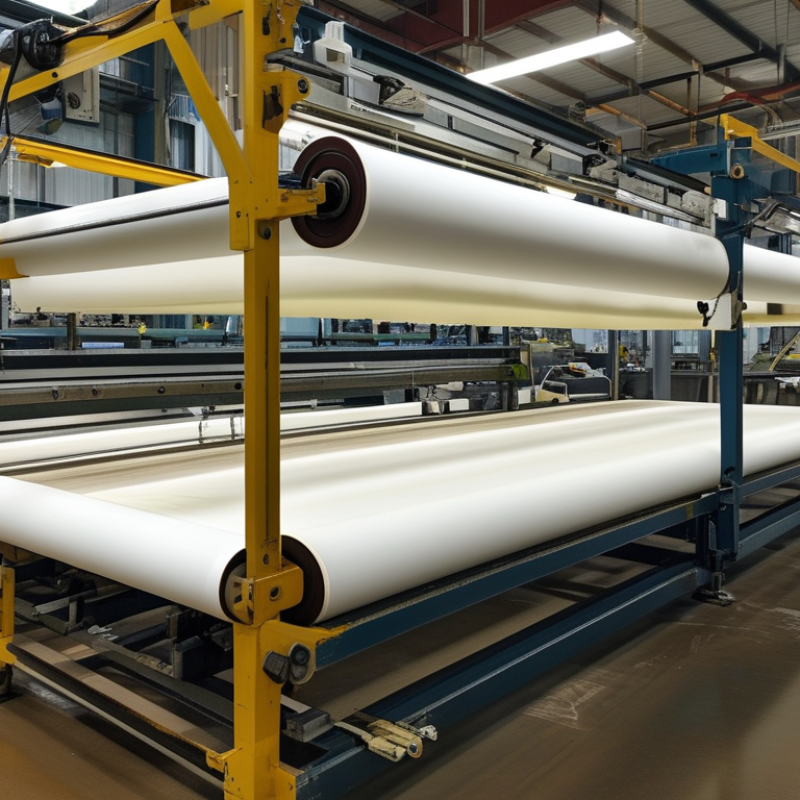
Stretch hooding machines play a vital role in packaging and logistics. Understanding their components is essential for optimal operation. These machines use elastic films to wrap products securely, providing stability and protection during transport. Operators should familiarize themselves with key parts, such as the film supply, sealing unit, and control panel. This knowledge helps identify issues quickly.
Regular maintenance is crucial. Simple tasks, like checking for film wrinkles and ensuring proper tension, prevent significant problems. Operators often overlook minor adjustments but skipping them can lead to major downtime. Using the correct film thickness also impacts performance. A film that is too thick or thin may cause jams or weak seals.
Training staff is equally important. Workers should be aware of proper loading techniques. Improper loading can lead to misalignment, which affects the final package quality. Frequent training sessions can reduce the chances of errors. It's also helpful to have a logbook for maintenance and issues. This documentation can highlight patterns over time, guiding improvements.
Key components are essential for keeping your stretch hooding machine in peak condition. Regular maintenance is critical. A study from the Flexible Packaging Association indicates that consistent upkeep can enhance machine longevity by 30%. This involves checking critical elements, such as the film feed system, sealing components, and the heating unit.
An often overlooked component is the tension control. Incorrect tension can lead to film wrinkling or tearing. Research shows that improper tension can result in a 15% increase in material waste. Operators must monitor settings closely. They should ensure that the film is fed at the right speed.
Incorporating regular training sessions for operators can also enhance machine performance. Proper training helps reduce errors. Investing in training can produce a noticeable reduction in downtime. Regularly documenting machine performance can help pinpoint recurring issues. This approach fosters a proactive mindset, encouraging operators to reflect on their techniques and identify areas for improvement.
Regular maintenance is crucial for the smooth operation of your stretch hooding machine. Daily checks can prevent minor issues from escalating. Start with inspecting the film tension. Too tight or too loose can lead to inefficient performance. It is a good idea to keep the machine clean. Dust and debris can accumulate, causing unwanted friction.
Weekly, look at the seals and nozzles. Make sure they are not worn or damaged. Minor wear may go unnoticed but can affect sealing quality. Lubrication of moving parts like bearings and guides is essential. Oil them lightly to avoid corrosion and wear over time. Document these routines to track your maintenance history.
Monthly comprehensive reviews are recommended. Look for any strange noises during operation. It's a sign that something may require attention. If issues arise, don't ignore them; they could lead to larger problems later. Addressing them promptly ensures longevity. Reflect on the performance over time to improve maintenance routines continually.
| Maintenance Task | Frequency | Recommended Action | Notes |
|---|---|---|---|
| Inspect Film Quality | Daily | Check for tears and defects | Ensure optimal stretch and seal |
| Clean Machine Components | Weekly | Wipe down rollers and sealing area | Prevent residue build-up |
| Lubricate Moving Parts | Monthly | Apply appropriate lubricant | Ensure smooth operation |
| Check Electrical Connections | Monthly | Inspect for loose or damaged wires | Prevent electrical failures |
| Perform Performance Tests | Quarterly | Run test cycles; evaluate efficiency | Identify potential issues |
| Replace Worn Parts | As Needed | Substitute any damaged components | Extend machine life |
Stretch hooding machines are vital for securing products during shipping and storage. However, they can encounter various issues that hinder performance. Identifying these problems early can save both time and money.
Common issues include film feed problems. Sometimes, the film may not unwind correctly. This occurs due to improper tension or misalignment of the rolls. Regularly check the alignment of the rolls to ensure smooth feeding. Proper tension should remain consistent. Adjust the tension settings as needed.
Another frequent issue is the sealing quality. Poor seals can lead to product exposure. It’s crucial to verify the temperature and pressure settings on the heat sealing unit. Cleaning the sealing bars regularly can also prevent residue buildup. Sometimes, operators overlook these small details, impacting overall efficiency.
Lastly, the machine may face unwinding difficulties. Watch for jams that may arise from film defects or incorrect loading. Inspect the film for tears or inconsistencies. Regular maintenance checks are essential to avoid unexpected downtimes. Actively involve operators in routine inspections for better outcomes.
This bar chart represents the average monthly downtime hours caused by common issues in stretch hooding machines. Addressing these problems can help maintain smooth operation and improve productivity.
Training operators on stretch hooding machines is crucial for optimal performance. Effective training ensures that staff understand the machine's functions and safety protocols. Regular refresher courses can maintain knowledge and skills. Operators should be encouraged to ask questions and share experiences. This fosters a safety culture and enhances team dynamics.
Tip: Encourage hands-on practice during training. Real-life scenarios help operators gain confidence. Furthermore, operators should never rush through setup or adjustments. Rushed actions can lead to errors, possibly causing machine damage.
Safety measures should be highlighted throughout the training. Operators must understand emergency stop functions and safety gear usage. Clear signage around the machine area reinforces safe practices. Regular safety audits can reveal areas needing attention.
Tip: Maintain an open line of communication. Operators should feel empowered to report safety concerns. This proactive approach helps prevent accidents and keeps the workplace safe.
: Common issues include film feed problems, sealing quality, and unwinding difficulties.
Film feed issues arise from improper tension or misaligned rolls. Regular alignment checks are essential.
Sealing quality can decline due to incorrect temperature or pressure settings and dirty sealing bars.
Verify temperature and pressure settings often. Cleaning sealing bars regularly prevents residue buildup.
Jams from film defects or incorrect loading often cause unwinding challenges. Inspect the film regularly.
Conduct regular maintenance checks and involve operators in routine inspections for better outcomes.
Training ensures operators understand machine functions and safety protocols, boosting efficiency and safety.
Use hands-on practice and encourage questions. Avoid rushing during setup to reduce errors.
Operators must understand emergency stops, safety gear, and maintain clear signage in the machine area.
Maintaining open communication encourages operators to report concerns proactively. This helps prevent accidents.
To ensure optimal performance of stretch hooding machines, it is essential to understand the fundamentals of their operation and key components. Regular maintenance practices, such as lubrication, inspection of parts, and timely adjustments, are critical for longevity. Troubleshooting common issues, like film misalignment and mechanical malfunctions, can help minimize downtime.
Furthermore, effective operator training and safety measures play a vital role in maintaining a stretch hooding machine for peak performance. By fostering an environment where operators are well-informed about the machine's functionality and safety protocols, organizations can enhance operational efficiency and reduce the risk of accidents. Overall, staying proactive in these areas can significantly contribute to the smooth operation of stretch hooding machines.
