Jinye Machinery
When considering industrial shrink wrapping machines, one key question arises: how much electricity does an industrial shrink wrapping machine use? These machines play a vital role in packaging processes, yet their energy consumption often remains unclear. Understanding their power usage is crucial for cost management and environmental impact assessments.
Many factors influence energy consumption, including machine size and operational speed. Smaller machines may use less power, but they also have limitations. Larger, high-throughput machines consume more electricity but can improve efficiency in high-demand situations. It's essential to gather data from specific models and manufacturers.
Despite the abundance of information, precise figures can vary. Industry averages suggest different power ratings, leading to confusion. Some manufacturers may overstate efficiency to market their products. This uncertainty highlights the importance of conducting thorough research. Companies should evaluate their actual operating conditions and requirements to determine realistic electricity usage. Understanding how much electricity these machines use aids in making informed purchasing and operational decisions.
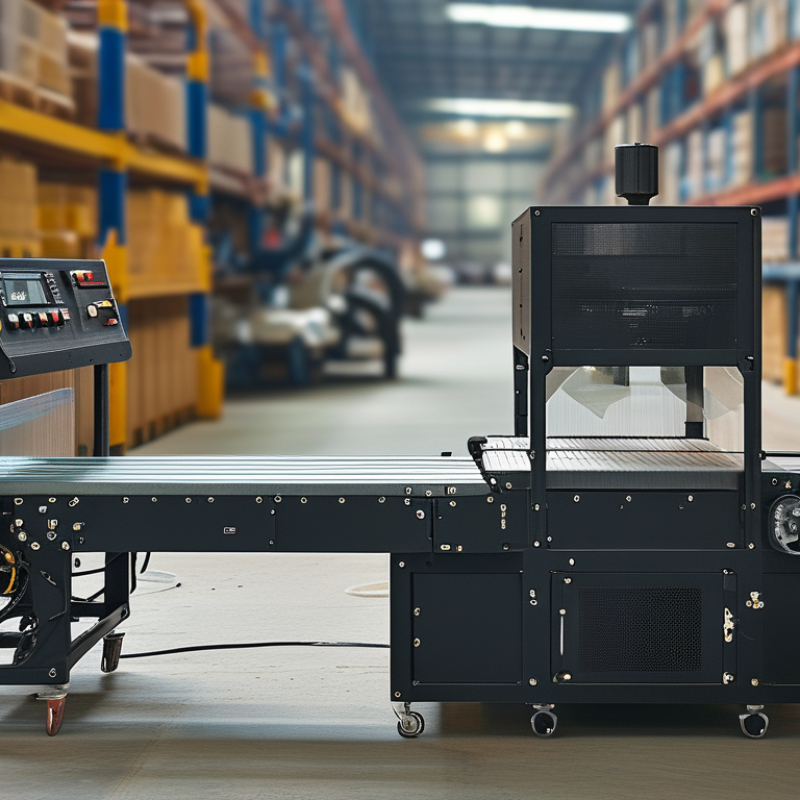
Industrial shrink wrapping machines play a vital role in packaging and ensuring product longevity. The power consumption of these machines varies widely based on several factors, including size, speed, and materials used. According to industry reports, an average shrink wrapping machine consumes between 5 to 15 kilowatts during operation. This means the electrical cost can add up, especially in high-output facilities.
Understanding the specific power needs can help businesses manage energy consumption. The efficiency of these machines continues to improve with advancements in technology. For instance, modern machines are designed to optimize heat usage, reducing overall power needs. Studies show energy-efficient models can cut power consumption by nearly 30%. However, some operators may overlook maintenance, leading to inefficiencies.
**Tip:** Regularly clean and inspect machines to maintain performance and reduce energy waste. A dirty heater can increase energy costs and slow production.
Investing in a power monitor can provide insights into usage patterns. These devices help identify peak energy consumption periods. This data can guide operational adjustments and scheduling, allowing better energy management practices. Adjusting workflows based on this information can lead to more sustainable operations, despite the complexities involved.
| Machine Type | Power Consumption (kW) | Typical Applications | Estimated Annual Energy Cost ($) |
|---|---|---|---|
| Automatic Shrink Wrapper | 3.5 | Food Packaging, Beverage Bottles | 840 |
| Semi-Automatic Shrink Wrapper | 2.0 | Consumer Goods, Electronics | 480 |
| L-Sealer Shrink Wrapper | 4.0 | Small Packs, Retail Items | 960 |
| Shrink Tunnel | 5.0 | Large Packs, Bulk Items | 1200 |
Shrink wrapping machines are essential for packaging products efficiently in various industries. However, their power consumption often raises concerns. Understanding the factors influencing power consumption is crucial for manufacturers seeking to optimize energy use.
One significant factor is the machine's size and capacity. Larger machines generally require more power. A report from the Packaging Industry Association notes that high-capacity machines can consume up to 50% more energy than smaller counterparts. Operating speed also plays a role. Machines that run at higher speeds typically demand more power, potentially leading to increased operational costs.
Efficiency in energy use can vary between different models. Some machines are designed with energy-saving features, reducing power consumption during idle times. Implementing smart controls can also minimize energy waste.
Tips: Always monitor the energy usage of your shrink wrapping machine. Regular maintenance ensures it runs optimally. Consider the overall production process; optimizing logistics can lead to reduced power needs. Evaluate the potential of investing in newer models with improved energy efficiency ratings.
When evaluating the energy efficiency of shrink wrapping machines, various types exhibit different power consumption rates. For example, semi-automatic machines typically use around 4-6 kWh per hour, while fully automatic systems can consume up to 12-20 kWh. This disparity highlights the importance of selecting the right machine for your production needs.
A recent industry report from the Packaging Machinery Manufacturers Institute (PMMI) reveals that energy efficiency can improve by as much as 30% when comparing modern machines to older models. Automating the shrink wrapping process reduces energy waste significantly. Additionally, factors such as machine speed and operational load influence overall energy usage.
In terms of sustainability, many companies are shifting to machines designed for lower energy consumption. These machines often incorporate advanced technologies, such as heat recovery systems and energy-efficient motors. However, not all upgrades guarantee savings. It's essential to perform a cost-benefit analysis to ensure the transition will be economically viable over time. Integrating energy-saving practices is not only better for the environment but can also enhance operational efficiency.
Industrial shrink wrapping machines play a critical role in packaging. However, their power consumption can be significant. According to industry data, a typical machine consumes between 5 to 15 kW, depending on its size and function. This power usage can lead to high operational costs over time. Identifying ways to reduce this consumption is essential for businesses aiming to enhance efficiency.
One effective strategy is optimizing the temperature settings of the shrink tunnels. Many facilities run their machines at higher temperatures than necessary. Slight adjustments can result in energy savings of up to 20%. Additionally, regular maintenance is crucial. A well-maintained machine operates more efficiently. Dirty heaters or worn-out components can increase energy use. Aim for routine inspections and cleanings to ensure peak performance.
Implementing automation can also lead to substantial power savings. Smart systems allow machines to adjust their operations in real-time, reducing energy usage during less demanding tasks. Studies show that integrating automation can lower energy consumption by 10 to 30%. These insights highlight the importance of evaluating current practices to optimize power use effectively. Reflecting on these strategies can lead to more sustainable operations in the long run.
The energy consumption of industrial shrink wrapping machines has significant implications for environmental sustainability. Studies indicate that these machines can consume between 10,000 to 30,000 kWh annually, depending on usage and operational efficiency. This energy use translates into a substantial carbon footprint. For instance, a machine operating on fossil fuels may emit up to 15 metric tons of CO2 each year. This raises critical questions about the environmental impacts of packaging processes.
Moreover, the energy use varies widely across industries. While some sectors actively seek to optimize their operations, others remain unaware of their environmental impact. Reports show that energy efficiency improvements could reduce energy usage by 20% to 30%. However, many manufacturers still rely on older equipment, which tends to be less efficient. Awareness and education about energy-efficient technologies are crucial for making informed choices.
The story of shrink wrapping energy use is not just about numbers; it’s about responsibility. Companies must reflect on their practices and seek better alternatives. Energy audits and sustainability assessments could become standard. As the global focus on eco-friendly processes grows, the industry has room for improvement. Embracing new technologies could lead not only to lower emissions but also to cost savings in the long run.
This chart illustrates the energy consumption of different types of industrial shrink wrapping machines, showcasing their environmental impact. The values represent the average power usage measured in kilowatts (kW) during operation.
: These machines typically consume between 5 to 15 kilowatts during operation.
Understanding specific power needs helps in managing energy usage effectively.
Poor maintenance can lead to inefficiencies and increased energy costs.
Energy-efficient models can cut power consumption by nearly 30%.
It provides insights into usage patterns and identifies peak energy consumption periods.
Semi-automatic machines use around 4-6 kWh, while fully automatic systems can consume up to 12-20 kWh.
Heat recovery systems and energy-efficient motors help reduce energy needs.
Not all upgrades guarantee savings, so analysis ensures economic viability.
Utilizing energy data allows for operational changes that enhance sustainability.
Overlooking regular cleaning can lead to higher energy costs and slow production.
This article explores the key aspects of energy consumption in industrial shrink wrapping machines, answering the question, "How much electricity does an industrial shrink wrapping machine use?" It delves into the fundamental understanding of these machines and their power requirements, identifying various factors that influence their energy consumption, such as machine size, operational efficiency, and production volume.
A comparative analysis presents insights into the energy usage of different shrink wrapping machines, highlighting variations in efficiency. Additionally, the article provides practical tips for reducing power consumption during the shrink wrapping process, which can not only lower operating costs but also contribute to sustainability efforts. Finally, it evaluates the environmental impact of energy use by shrink wrapping machines, emphasizing the importance of energy-efficient practices in industrial operations.
