Jinye Machinery Jinye Machinery

How to Prevent Bubbles in Your Shrink Wrapped Products?

Time:2026-08-14 Author:Isabella
0%

Shrink wrapping is a popular method for packaging products, but it often leads to an unwanted issue: bubbles. Many manufacturers face the question, "Why are there bubbles in my shrink wrapped products?" According to industry expert James Richardson, “Bubbles can compromise the integrity and appearance of packaged goods.” Understanding the causes of these bubbles is essential for enhancing product quality.

Heat distribution is a crucial factor in the shrink wrapping process. When the heat is uneven, it can create air pockets. These pockets lead to unsightly bubbles. Proper machine settings and technique are necessary to avoid this issue. Product shape and material also play a role. Irregular shapes may not shrink evenly, causing unsatisfactory results.

Moreover, moisture content can contribute to bubble formation. If products are not completely dry, trapped moisture can create steam. This steam leads to bubbles as the film shrinks. Manufacturers must pay close attention to these details. Addressing these challenges requires thoughtful adjustments. It’s a continuous learning process. Recognizing these pitfalls can significantly improve shrink wrapping techniques.
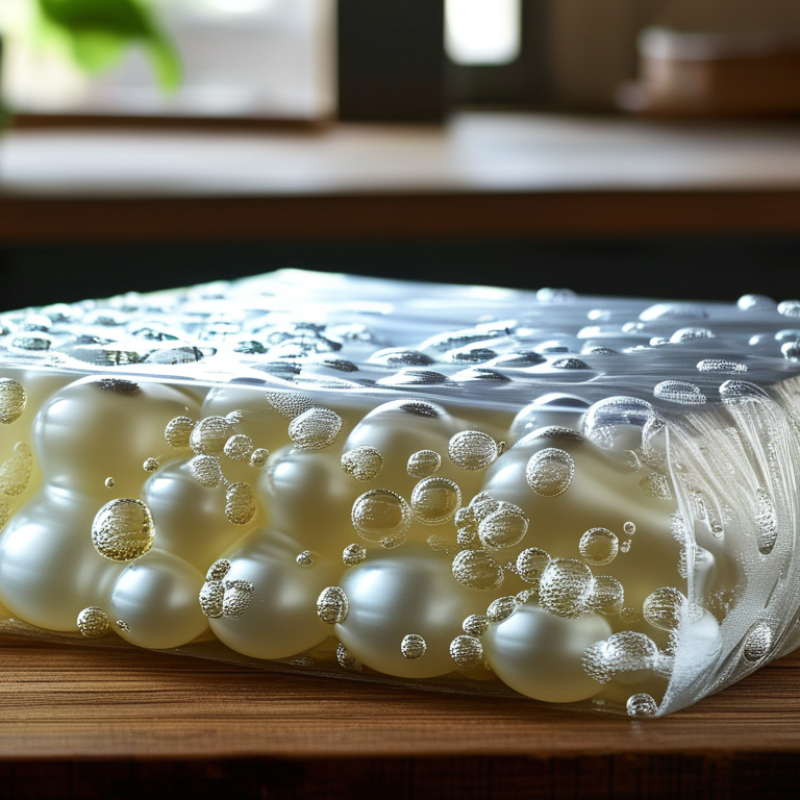
How to Prevent Bubbles in Your Shrink Wrapped Products?

Understanding the Causes of Bubbles in Shrink Wrapping

When it comes to shrink wrapping, bubbles can be a common challenge. Understanding the causes of these bubbles is crucial. One primary reason is irregular heating during the sealing process. If the heat distribution is uneven, it can lead to pockets of air being trapped. This is especially true when sealing larger or irregularly shaped products.

Another factor contributing to bubbles is the type of materials used. Thinner films may be more prone to this issue as they offer less cushioning. Often, using high-quality, thicker films can significantly minimize bubbles. Additionally, improper product placement within the shrink film can also create issues. If the product is not centered correctly, it can cause the film to shift and result in bubbles forming.

Finally, environmental conditions play a significant role. High humidity or temperature fluctuations can affect the shrink process. These variables can make it hard to achieve a perfect seal. Maintaining optimal conditions can lead to better results, but this is not always easy. Reflecting on these factors can help in troubleshooting bubble issues and finding effective solutions.

Choosing the Right Materials for Effective Shrink Wrapping

Choosing the right materials for shrink wrapping is crucial to prevent bubbles in your products. Different types of shrink film can yield varying results. For instance, polyolefin films often provide better clarity and resistance to punctures, reducing the risk of bubbles. On the other hand, PVC films can sometimes shrink unevenly, causing trapped air. Selecting the appropriate thickness is also essential. Thicker films might retain more heat during the shrinking process, which can lead to bubble formation.

Quality control during the wrapping process is vital. Proper sealing temperature plays a crucial role in ensuring a secure wrap. If the temperature is too high, it can create excess shrinkage, resulting in bubbles. If it's too low, the film may not grip well. Testing various combinations of materials and machine settings is beneficial. Keep an eye on the wrapping environment, too. Excess humidity or dust can affect adhesion and cause imperfections.

It's important to acknowledge that even with the right materials, bubbles may still appear. Factors such as operator technique and machinery calibration can influence the final result. Continuous improvement is essential. Regular evaluations can help identify recurring issues. Addressing each aspect carefully will improve the overall shrink wrapping quality over time.

How to Prevent Bubbles in Your Shrink Wrapped Products

Optimal Shrink Wrapping Techniques to Minimize Air Trapping

When considering shrink wrapping, preventing air bubbles is crucial. Incorrect techniques can lead to product damage. Proper air evacuation creates a tight seal. According to a report by the Flexible Packaging Association, around 25% of packaging defects arise from poor sealing techniques. This statistic emphasizes the need for optimal practices.

Using a heat gun instead of an automatic machine can greatly enhance control. Adjusting the nozzle distance helps manage heat evenly. This method allows for better visibility of air bubbles. Observing the shrink process gives you a chance to identify issues immediately. However, this manual approach may increase labor costs and requires skill development.

Moreover, choosing the right film thickness is essential. Thinner films may not provide adequate barriers against air pockets. A study from the Institute of Packaging Professionals suggests that thicker films can minimize air retention. Yet, thicker materials can be harder to handle and might increase waste. Striking a balance between durability and flexibility is often challenging but necessary for quality control.

Controlling Temperature and Environment for Better Shrinkage

When shrink-wrapping products, controlling temperature and environment is crucial. Ensuring the right heat is applied helps the plastic conform tightly around the product. Too low a temperature can lead to wrinkles and bubbles, while excessive heat may cause melting or uneven shrinkage. Finding the sweet spot takes practice; monitoring equipment often is necessary.

Environmental conditions also play a key role. Humidity can affect shrink-wrapping results. High humidity levels may lead to moisture being trapped, causing bubbles beneath the wrap. Using dehumidifiers in your workspace can help mitigate this issue. It’s worth noting that a well-controlled environment not only affects the appearance but also the integrity of your product.

Errors are a part of the process. Constantly aiming for perfection may lead to frustration. Rethink your approach if bubbles persist. Consider using test samples to refine your technique. Document your results to see which conditions yield the best outcomes. Creating a consistent environment will likely enhance your success in shrink-wrapping.

Post-Wrapping Inspection and Quality Control Measures

Post-wrapping inspection and quality control are crucial in preventing bubbles in shrink-wrapped products. The packaging industry has indicated that about 20% of shrink-wrapped items encounter defects like bubbles. This statistic underscores the need for diligent quality checks. Inspecting each product after wrapping can catch defects early. It ensures that only optimal packaging reaches consumers.

Employing techniques such as visual inspections and pressure testing can enhance quality control. Implementing a standardized checklist for inspections can reduce errors. Research shows that 75% of companies utilizing thorough inspection processes report fewer product returns. Regular audits and employee training also tie closely to successful outcomes.

However, challenges remain. Even with strong quality controls, issues like humidity and temperature fluctuations can still create bubbles. Reflecting on the unpredictability of environmental factors helps companies improve their processes. Continuous refinement of inspection methods will lead to better packaging solutions.

How to Prevent Bubbles in Your Shrink Wrapped Products? - Post-Wrapping Inspection and Quality Control Measures

Quality Control Measure Description Frequency Expected Outcome
Visual Inspection Check for visible bubbles and packaging defects. Every batch Identify and remove defective packages.
Temperature Control Maintain optimal heating temperature during shrink wrapping. Continuous monitoring Ensure uniform shrinking and minimize bubble formation.
Pressure Adjustment Adjust pressure settings on the shrink tunnel. Every shift Prevent over-tightening of the wrap.
Material Quality Check Inspect shrink film for defects before use. Before each production run Use of high-quality films reduces bubble risk.
Training Staff Provide training on proper wrapping techniques. Quarterly Improve overall wrapping process efficiency.

FAQS

: Why is preventing air bubbles important in shrink wrapping?

: Preventing air bubbles is crucial to avoid product damage and ensure a tight seal.

What technique can enhance control during shrink wrapping?

Using a heat gun allows for better control compared to automatic machines.

How does film thickness affect shrink wrapping?

Thicker films minimize air retention, but they can be harder to handle.

What environmental factors impact shrink wrapping?

Humidity levels affect shrink-wrapping results, potentially trapping moisture and causing bubbles.

What should I do if I encounter persistent bubbles?

Rethink your approach and consider testing different samples to refine your technique.

How can I improve post-wrapping inspection processes?

Employ visual inspections, pressure testing, and standardized checklists for better quality control.

What is a common defect rate in shrink-wrapped items?

About 20% of shrink-wrapped items may experience defects like bubbles.

How can a controlled environment benefit shrink wrapping?

A stable environment enhances the overall appearance and product integrity during the process.

What role does employee training have in quality control?

Regular training is linked to fewer errors and better outcomes in packaging.

Can challenges still arise despite strong quality controls?

Yes, environmental factors can lead to unpredictable issues like bubble formation.

Conclusion

In the process of shrink wrapping, one common issue that arises is the presence of bubbles in the final product. Understanding the causes of bubbles in shrink wrapped products is crucial for achieving a professional finish. Factors such as air entrapment during sealing, improper material selection, and inadequate heat application can all contribute to this problem. By choosing the right materials specifically designed for shrink wrapping and employing optimal techniques, such as ensuring even heat distribution, businesses can minimize the risk of air trapping.

Additionally, controlling the temperature and environmental conditions during the wrapping process can significantly enhance shrinkage results. After wrapping, implementing thorough inspection and quality control measures allows for the early detection of any defects, ensuring that products maintain their integrity. By addressing the question, "Why are there bubbles in my shrink wrapped products," and applying the outlined strategies, manufacturers can successfully prevent this common issue and improve their packaging quality.

Isabella

Isabella

Isabella is a dedicated marketing professional with a sharp focus on driving brand growth and engagement through strategic content creation. With an extensive background in digital marketing, she combines her passion for storytelling with her keen understanding of industry trends to deliver......