Jinye Machinery
Shrink wrap is a vital component in the packaging industry. It's used to secure products during transport and storage. However, many experience issues, such as "Why is my shrink wrap melting or tearing during packaging?" These problems can lead to wasted materials and damaged goods.
According to the Flexible Packaging Association, 30% of packaging failures arise from improper handling and heat application. Factors like temperature settings, material quality, and environmental conditions all play significant roles. For instance, a heat source too close to the shrink wrap may cause melting, while poor-quality wrap can tear easily under stress.
Attention to detail is crucial. Regular training on proper shrink wrap techniques can mitigate risks. Companies should analyze their packaging processes and identify pain points. By doing so, they can save costs and enhance product safety. Understanding shrink wrap’s properties will lead to better practices.
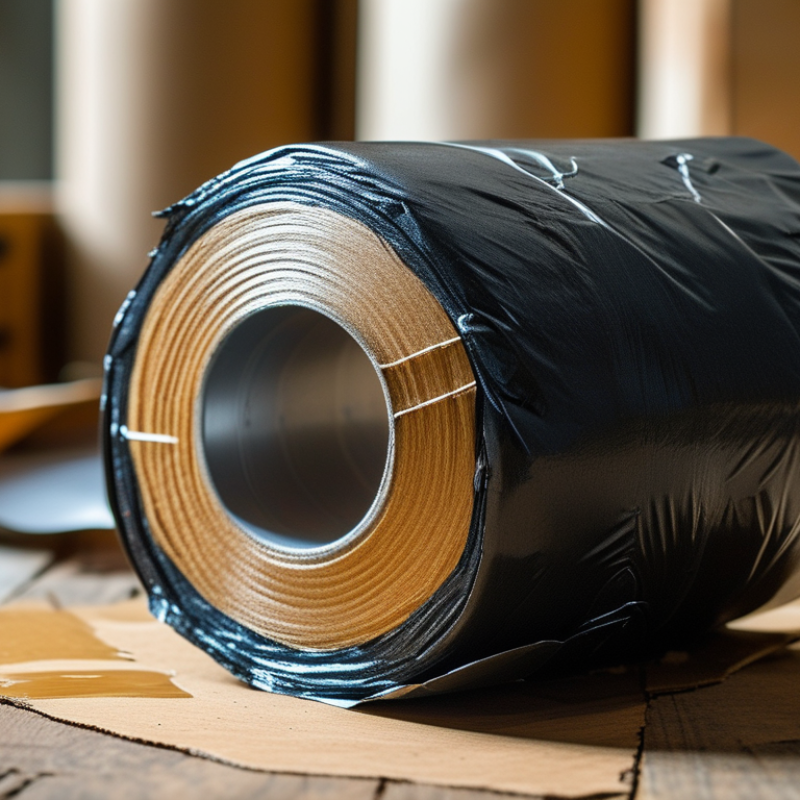
Shrink wrap is a versatile packaging material widely used in various industries. Understanding its properties and behavior is crucial to prevent issues like melting or tearing. Shrink wrap consists of polymers that, when heated, shrink tightly around products. The key to successful shrink wrapping lies in the temperature and time of the heat application. Excessive heat can lead to melting, while insufficient heat may result in loose wrapping.
Different shrink wraps have varying heat tolerance. It's essential to test the specific type you're using. Always check the manufacturer's specifications. Proper storage of shrink wrap also matters. Exposure to sunlight or extreme temperatures can alter its properties and strength.
During the packaging process, monitor the heating environment. A consistent temperature helps achieve the desired shrinkage. Consider using a heat gun or tunnel, as they provide controlled heat. Take the time to practice and adjust your approach based on the results. Avoid shortcuts, as they can lead to frustrating outcomes, like damaged products or wasted time.
When it comes to packaging, shrink wrap is widely used due to its versatility. However, issues such as melting or tearing can arise, leading to costly mistakes. One key factor that often contributes to these problems is heat. Excessive heat during the sealing process can cause the shrink wrap to melt or warp. It's essential to monitor machine settings closely. Different materials may require different temperatures for optimal sealing.
In addition to heat, the condition of the shrink wrap itself plays a vital role. Contaminants like dust or grease can weaken the film. Inspect each roll to ensure it is clean and free from any defects. Wrapping methods also matter; if applied too tightly, it can lead to tearing. A delicate balance is needed between secure packaging and allowing for material flexibility. Even with the right precautions, it’s possible to face unexpected challenges during the packaging process. Regular training for staff can help them recognize potential issues early.
Maintaining optimal packaging conditions is crucial for preventing shrink wrap from melting or tearing. A common problem arises during high-temperature applications. When the environment is too hot, the shrink wrap can become overly pliable or even melt. It's critical to monitor and control the temperature in your packaging area. Ideally, temperatures should not exceed 75°F (24°C). You can achieve this by using climate control systems or ensuring proper ventilation in your packaging space.
Humidity also plays a significant role. High humidity can weaken the film, making it prone to tears during the wrapping process. Using a dehumidifier can help maintain lower levels of moisture in the air. Additionally, selecting materials with the right thickness can improve durability. Thicker films are generally stronger but can also be more challenging to work with.
Don't overlook the importance of operator training. Workers must understand how to handle materials properly to minimize damage. Regularly reviewing practices can reveal areas for improvement. It's okay to learn from mistakes; refining your process can lead to better results.
When packaging items with shrink wrap, it’s crucial to enhance its strength and durability. Weak shrink wrap can lead to melting or tearing, compromising your products. To avoid these issues, consider using high-quality shrink film specifically designed for your packaging needs. This film often has added layers that resist heat and stress during the shrinking process.
Another key technique is adjusting the heat settings on your shrink wrap machine. Sometimes, operators overlook this vital detail. Using inadequate heating can either melt the wrap or leave it too loose. Striking the right balance is essential.
Tips: Test the shrink wrap on a small batch first. Focus on heat levels and film tension. If you notice any minor imperfections, refine your approach before proceeding to larger quantities. Keeping equipment clean and well-maintained can greatly improve performance. Also, watch for over-wrapping; excessive layers can lead to uneven shrinking and additional strain on the film. Always seek to learn from these minor mishaps to continuously improve your packaging process.
When it comes to effective shrink wrapping, selecting the right equipment is paramount. Various machines such as heat tunnels and shrink wrappers must be evaluated based on your requirements. The temperature settings, speed, and compatibility with materials can greatly affect the final outcome. Keeping a close eye on the machinery's performance ensures consistency and quality in your packaging process.
Tip: Regular maintenance of your shrink-wrapping machines helps prevent overheating or malfunctioning. Check and clean heating elements routinely to avoid any operational issues.
Choosing the correct film thickness is also essential. Thicker films provide better protection but require higher heat settings. Always consider the type of products you plan to wrap. Taking the time to experiment with different films can reveal optimal results.
Tip: Conduct small test batches before scaling up. This step saves resources and time, letting you identify potential melting or tearing issues early on. Each packaging project is unique—adjusting to specific needs can lead to better outcomes.
| Equipment Type | Common Issues | Preventive Measures | Optimal Settings |
|---|---|---|---|
| Shrink Tunnel | Uneven heating leading to melting | Regular maintenance and calibration | Temperature: 350°F - 400°F |
| Heat Sealer | Weak seals causing tears | Testing seal integrity and balance | Seal time: 0.3 - 0.6 seconds |
| Film Dispenser | Film slippage or improper tension | Adjusting film tension settings | Tension: Moderate to High |
| Conveyor System | Jamming or misalignment of packages | Regular checks and cleaning | Speed: Optimal for product type |
: Shrink wrap consists of polymers that shrink tightly when heated.
Excessive heat can cause melting, while insufficient heat leads to loose wrapping.
Different types of shrink wraps have varying heat tolerances; proper testing prevents issues.
Store shrink wrap away from sunlight and extreme temperatures to maintain its properties.
A heat gun or a shrink tunnel provides controlled heat for optimal results.
Use high-quality shrink film designed for durability; it resists heat and stress better.
Avoid using inadequate heat settings; both too high and too low can cause issues.
Monitor the heating environment and maintain a consistent temperature to achieve uniform results.
Refine your approach based on minor imperfections before proceeding with larger quantities.
Keeping equipment clean can greatly improve shrink wrapping performance and prevent mishaps.
Shrink wrap is a widely used packaging solution, but issues like melting or tearing can undermine its effectiveness. Understanding shrink wrap properties and behavior is crucial to prevent these problems. Factors such as excessive heat, improper application techniques, or using unsuitable materials can lead to questions like "Why is my shrink wrap melting or tearing during packaging?" By maintaining optimal packaging conditions, employing best practices, and enhancing the strength and durability of the shrink wrap, one can significantly reduce the risk of damage.
Additionally, it is important to consider the equipment used in the shrink-wrapping process, as inadequate machinery can contribute to these failures. Incorporating appropriate techniques such as adjusting temperature settings and ensuring proper tension during application will bolster the integrity of the shrink wrap. Overall, being mindful of these elements can help maintain the quality and reliability of packaged goods.
