Jinye Machinery
In today’s packaging industry, efficiency is paramount. Properly utilized automatic L-bar sealers can enhance productivity. Research indicates that automated packaging can reduce labor costs by up to 30%. Yet, many users struggle with setup.
Understanding how to set up an automatic L-bar sealer correctly is crucial. Incorrect settings can lead to inefficiencies. For instance, seal quality issues can arise from improper temperature and pressure adjustments. Industry experts stress the importance of calibration. Misalignment can create significant waste and impact product integrity.
Installing an L-bar sealer requires attention to detail. Users need to consider material compatibility and machine alignment. Over 15% of machinery failures stem from improper setups, according to industry reports. Therefore, learning to address common pitfalls is essential. It is a process of continual refinement and adjustment, ensuring operational excellence.
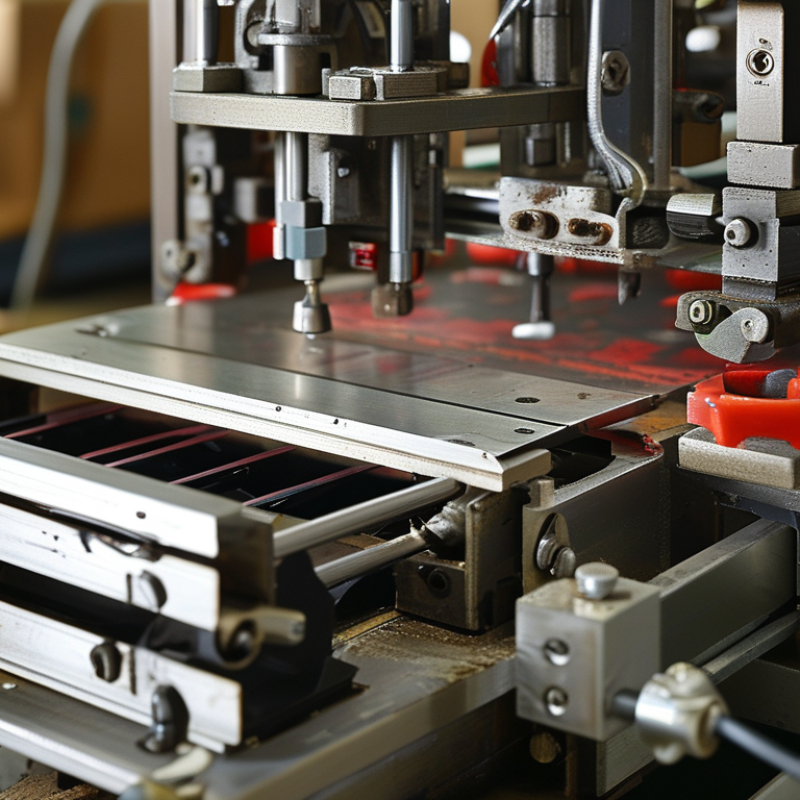
L-bar sealers play a crucial role in packaging, particularly in ensuring product integrity. These machines create airtight seals, which are essential for preserving the freshness of perishable items. According to the Packaging Machinery Manufacturers Institute, the demand for automated packaging solutions is escalating, driven by the growing e-commerce sector and the need for efficient supply chains. This trend highlights the importance of L-bar sealers in today's fast-paced market.
Implementing L-bar sealers effectively can enhance productivity. They minimize the risk of human error during sealing. A well-calibrated machine can achieve a sealing rate of over 30 packs per minute. This performance is vital for companies looking to scale operations. However, operators must understand the intricacies of setup. Poor adjustments can lead to inconsistent seals, resulting in product loss and customer dissatisfaction.
Regular training and maintenance are essential practices. Operators should be equipped with knowledge of best practices for machine adjustments. Reports suggest that nearly 20% of packaging failures are due to improper machine settings. Investing in skilled personnel can mitigate this risk. Strong operational protocols can make all the difference in maintaining efficiency and quality standards.
When setting up an automatic L-bar sealer, understanding its key components is crucial for effective operation. The primary part is the sealing bar itself. It operates by applying heat and pressure to thermoplastic films, creating a strong seal. According to industry reports, proper sealing temperature is essential. A temperature range of 160-180°C usually ensures optimal sealing, yet many operators overlook calibration.
Another critical component is the film feed system. This system moves the packaging material into place. Accurate alignment is vital for preventing jams or misfeeds. A 2019 survey noted that 35% of packaging errors were linked to incorrect film positioning. Ensuring your film feed is consistently calibrated can greatly reduce these errors.
The control panel deserves attention as well. It houses the settings for temperature, speed, and pressure. Many users, however, fail to adjust these settings based on product changes. This oversight can affect seal integrity and production efficiency. Regular training and audits can help operators maintain optimal performance. The dynamic nature of production lines requires continual refinement of setup processes.
Setting up an automatic L-bar sealer correctly is essential for efficient packaging. Start by ensuring your workspace is clean and organized. Place the sealer on a stable surface. Check that all components are intact, including the heating element and the sealing bar. It’s important to connect the machine to the power source properly. Misconnections can lead to failures or accidents.
Next, adjust the temperature settings according to the type of film you are using. Too high a temperature can scorch the film, while too low may not seal it at all. Test with a scrap piece of film before sealing actual products. This step often requires patience and some trial and error to achieve the perfect seal. Observe how the film reacts to different settings to refine your technique.
Finally, ensure the sealing area is free of debris. A clean workspace promotes better sealing. If you notice inconsistent seals, revisit your machine settings. Analyze each output for improvements. Keeping detailed notes on your processes can help identify issues and improve efficiency over time. Adjustments may be necessary, so stay flexible and attentive.
Setting up an automatic L-bar sealer can pose various challenges. One common issue is misalignment during sealing. This can lead to uneven seals that compromise product integrity. Ensure the machine is leveled properly. Conduct regular checks to maintain perfect alignment.
Temperature variations can also be a problem. If the sealing films aren’t melting correctly, the temperature might be too low. Adjust the heat settings gradually. Observe the output closely after each adjustment. Look for any changes in the seal quality.
Another frequent issue is inconsistent feed of products. This can slow down production and affect efficiency. Check the conveyor belt speed. Make sure the items are fed uniformly. Inconsistent feeding can be a source of frustration. It may require re-evaluating the production flow or machinery setup to find a workable solution.
For better results, always keep the L-bar sealer clean. Regular maintenance prevents sticky residues that hinder performance. Keeping a log of adjustments made helps in troubleshooting. Reflect on past issues and solutions for constant improvement.
Maintaining your automatic L-bar sealer is crucial for its efficiency. Regular maintenance ensures that the machine functions at peak performance. Check the sealing bars frequently. Any wear or damage can lead to inconsistent seals. Replace worn parts promptly to avoid production delays.
Lubrication is another key aspect. Keep moving parts properly lubricated to prevent friction. This simple step can extend the life of your machine and improve sealing quality. Also, clean the machine regularly. Dust and debris can impede operation, causing overheating. Make cleaning a routine part of your maintenance schedule.
Take the time to train your staff on maintenance checks. This is essential for ensuring that everyone understands the process. Document any issues and repairs, but do not overlook small irregularities. They may signal a larger problem in the making. Regular attention and care can safeguard against unexpected breakdowns.
: Keep your workspace clean and organized. Place the sealer on a stable surface to prevent accidents.
Ensure all components are intact. Pay attention to the heating element and sealing bar.
Connect it properly to avoid failures. Misconnections can lead to serious accidents.
Adjust according to the film type. Too high may scorch it, while too low might fail to seal.
Test with a scrap piece of film first. It helps refine your settings for a better seal.
Revisit your machine settings. Analyze outputs for improvements, and keep notes on your processes.
Frequently check for wear or damage. Replace any worn parts to avoid production delays.
Proper lubrication prevents friction. It can extend the machine's life and improve sealing quality.
Clean it regularly to remove dust and debris. This helps prevent overheating and improves operation.
Take time to train them on maintenance checks. Understanding the process can prevent larger issues.
In the article titled "How to Properly Set Up an Automatic L-bar Sealer," readers will gain a comprehensive understanding of L-bar sealers, highlighting their importance in efficient packaging processes. The article delineates the key components of an automatic L-bar sealer, explaining their functions and relevance. A detailed step-by-step guide is provided on how to set up an automatic L-bar sealer correctly, ensuring users can achieve optimal performance and productivity.
Additionally, the article addresses common issues that may arise during the setup process, offering valuable troubleshooting tips to help users navigate potential challenges. Finally, maintaining the automatic L-bar sealer is emphasized to ensure its longevity and optimum performance, making this guide an essential resource for anyone looking to enhance their packaging operations.
