Jinye Machinery
Automated shrink wrapping is a popular packaging method in various industries. However, it generates significant film waste. According to the Flexible Packaging Association, around 30% of shrink film is wasted during the packaging process. This not only impacts costs but also has environmental implications. Businesses need to prioritize waste reduction.
Understanding how to reduce film waste in automated shrink wrapping is crucial. A focus on precise machine settings can minimize excess material usage. Moreover, choosing high-quality films designed for efficient shrinking reduces waste. Collaborating with packaging experts can further enhance these efforts, providing tailored solutions based on specific needs.
Despite advancements, challenges remain. Many companies underestimate the volume of waste created during production. Regular audits and assessments could reveal potential loss areas. By committing to waste reduction strategies, industries can embrace sustainability while also improving their bottom lines.
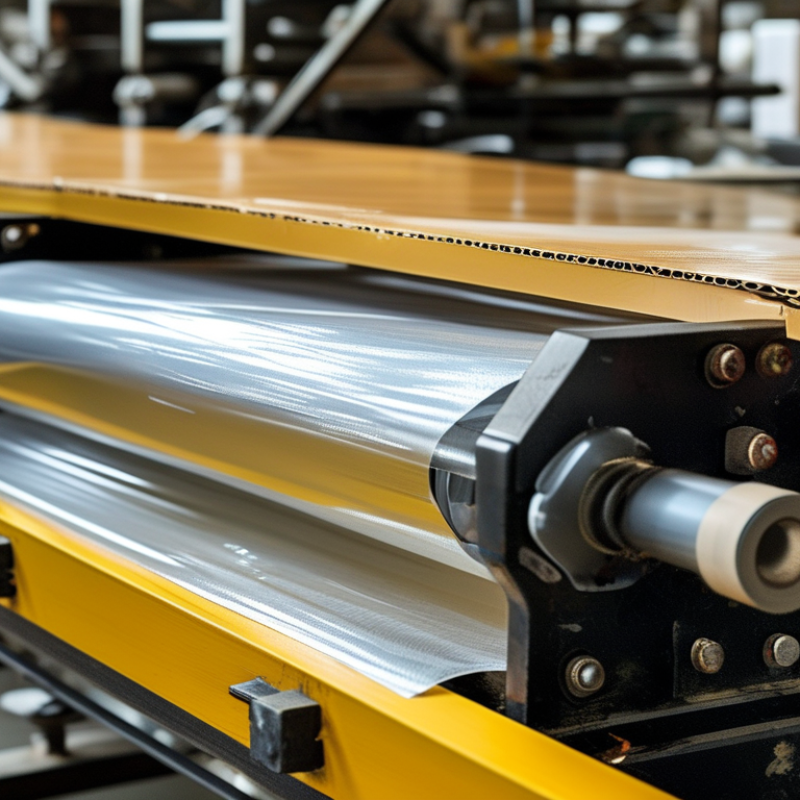
Automated shrink wrapping is a widely used packaging method, but it often results in significant film waste. Understanding the factors that contribute to this waste is essential for improving efficiency. One significant issue is the overuse of materials, often driven by outdated machinery or improper settings. Adjusting these can lead to substantial savings.
Maintaining the right temperature and speed is crucial. Incorrect settings can cause excess film to be used, resulting in waste. Consistently monitoring these parameters helps in identifying if adjustments are needed. This proactive approach can lead to better film usage.
Frequent training of staff can also minimize waste. Employees must understand how to operate machinery efficiently. Conducting regular workshops can enhance their skills. A knowledgeable workforce is key to reducing errors and tightening control over material use. By fostering a culture of awareness, companies can see a shift towards more responsible practices in shrink wrapping.
Shrink wrapping is widely used in various industries for packaging. However, its environmental impact is increasingly scrutinized. Shrink wrap is often made from polyethylene, a type of plastic that can take hundreds of years to decompose. The global market for shrink film is expected to reach $24 billion by 2025, leading to significant waste concerns.
Research suggests that approximately 30% of shrink wrap used ends up as waste, as much of it is single-use. This contributes to the growing plastic pollution crisis, which threatens marine life and ecosystems. Moreover, a 2021 report indicated that less than 9% of plastic is recycled. This highlights the urgent need for innovative waste reduction strategies in packaging.
Alternatives to traditional shrink wrapping include biodegradable films and reusable packaging systems. Companies looking to reduce their waste may need to assess their packaging processes. While solutions exist, they must balance cost, functionality, and environmental benefits. This can require careful evaluation and, at times, difficult trade-offs. The shift in mindset towards sustainability is essential as we confront the reality of packaging waste.
This chart illustrates the reduction of film waste in automated shrink wrapping. The data shows a notable decrease in waste from 150 kg before optimization to 80 kg after optimization efforts were implemented.
Automated shrink wrapping processes often lead to significant film waste. This waste not only impacts the environment but also adds unnecessary costs. According to industry reports, approximately 20% of the film used in shrink wrapping is wasted during production. Implementing targeted strategies can significantly reduce this waste.
Consider optimizing the film cutting process. Ensure that cutting machines are calibrated correctly to minimize excess material. There have been reports indicating that precise cutting can decrease film use by up to 15%. Another effective approach is to use thinner film. Many manufacturers have achieved a reduction in material usage by switching to films that maintain integrity while being lighter.
Conduct regular audits on production lines. This helps identify areas with the highest waste rates. Training staff on best practices in wrapping techniques is also crucial. Often, improper handling leads to increased waste. Encourage a culture of waste reduction, ensuring employees understand the environmental impact. Small changes can yield significant results.
Innovative materials and technologies in shrink wrapping are crucial for reducing film waste. Traditional plastic wraps are often non-biodegradable and contribute to landfills. According to a recent report by the Flexible Packaging Association, flexible plastics represent around 24% of waste generated in the packaging sector. This is alarming, and the industry is exploring alternatives.
Biodegradable films have emerged as a sustainable option in shrink wrapping. These films are made from renewable resources and can decompose in natural environments. A study from Smithers shows that the global market for biodegradable packaging is expected to reach $402 billion by 2026. However, the challenge remains in balancing performance and sustainability. Not all biodegradable films provide the same level of protection or durability.
Another innovative approach involves using shrink film made from recycled materials. This not only reduces waste but also lowers the energy costs associated with production. Industry data indicates that switching to recycled materials can reduce greenhouse gas emissions by up to 35%. Still, there is room for improvement in recycling technologies, as many consumer products still lack suitable end-of-life solutions. Embracing these innovations will require collaboration among manufacturers, consumers, and recyclers to create a more sustainable shrink wrapping landscape.
In the packaging industry, reducing film waste has become a critical focus. Case studies have shown that companies can significantly decrease their film usage through innovative techniques. For example, a recent report from the Flexible Packaging Association noted that optimizing machine settings can lead to up to a 30% reduction in film waste. One company implemented stricter monitoring of film tension and achieved measurable cost savings while minimizing environmental impact.
Another effective strategy involves using advanced materials that require less film without sacrificing quality. A study from Smithers Pira highlighted how switching to thinner film can cut waste by up to 25%. This approach not only conserves resources but can also improve productivity. Participation in training programs about best practices in machine operation has proven beneficial too.
Consider evaluating your current wrapping processes. Look at film utilization rates and seek feedback from operators. Small adjustments to machine speed or temperature can yield significant results. Increasing communication about film waste among team members may encourage innovative ideas for reductions. Regularly reviewing waste data is essential to identify patterns and areas needing improvement. Continuous reflection is crucial for long-term success in waste reduction.
| Industry Sector | Initial Waste (%) | Reduction Strategy | Waste After Reduction (%) | Annual Savings ($) |
|---|---|---|---|---|
| Food Processing | 15 | Optimized Film Width | 8 | $20,000 |
| Beverage Manufacturing | 10 | Improved Machine Calibration | 5 | $15,000 |
| Pharmaceuticals | 12 | Redesigned Packaging | 6 | $30,000 |
| Consumer Electronics | 8 | Use of Sustainable Materials | 3 | $10,000 |
| Textile Industry | 20 | Enhanced Film Thickness | 10 | $25,000 |
: Shrink wrapping contributes significantly to plastic pollution. Many wraps are single-use, adding to waste.
Shrink wrap can take hundreds of years to decompose, harming ecosystems.
Less than 9% of plastic is recycled globally. This highlights the recycling crisis.
Biodegradable films and reusable packaging systems are good alternatives. They offer environmental benefits.
Approximately 20% of film is wasted during production processes. This is due to improper cutting and handling.
Companies can optimize cutting processes and train staff on best practices to minimize waste.
Biodegradable films are made from renewable resources. They can decompose in natural environments.
Using recycled materials can reduce greenhouse gas emissions by up to 35%.
Auditing helps identify waste areas. It allows for targeted improvements to reduce excess.
They must balance performance and sustainability. Not all provide the same level of protection.
In the quest to understand "How to reduce film waste in automated shrink wrapping," it is essential to first examine the origins of film waste generated during these processes. This waste not only contributes to environmental concerns but also affects operational efficiency. Evaluating the environmental impact highlights the significance of minimizing waste to promote sustainability within the industry.
Key strategies to reduce film usage involve optimizing production lines, employing innovative materials, and embracing new technologies that enhance the efficiency of shrink wrapping. Implementing these strategies has been successfully demonstrated through various case studies, showcasing effective waste reduction techniques that other companies can adopt. By focusing on sustainability and reducing film waste, businesses can play a vital role in protecting the environment while also improving their bottom line.
