 Jinye Machinery
Jinye Machinery
Jinye Machinery
When faced with the issue of "Why is my shrink packaging machine smoke or smelling burnt," operators may feel concerned about their production line's efficiency and safety. Expert John Smith, a veteran in packaging technology, points out, "A burning smell often signals an underlying mechanical issue that should not be ignored." This statement highlights the importance of understanding your equipment's behavior to prevent potential hazards.
Machines can operate under various conditions, causing unusual odors or smoke. Poor maintenance, incorrect settings, or even worn-out parts can contribute to these alarming signs. For instance, if the temperature is too high, it may lead to overheating and the release of burnt odors. Operators must stay vigilant and proactive in addressing such concerns.
It’s crucial to thoroughly inspect and maintain your shrink packaging machine. Regular check-ups can help identify issues before they escalate. Ignoring these signs could result in costly repairs or even injuries. Being aware of the dangers associated with a burning smell is the first step to ensuring a safe working environment. Recognizing the questions surrounding "Why is my shrink packaging machine smoke or smelling burnt" is vital for maintaining operational integrity and safety.
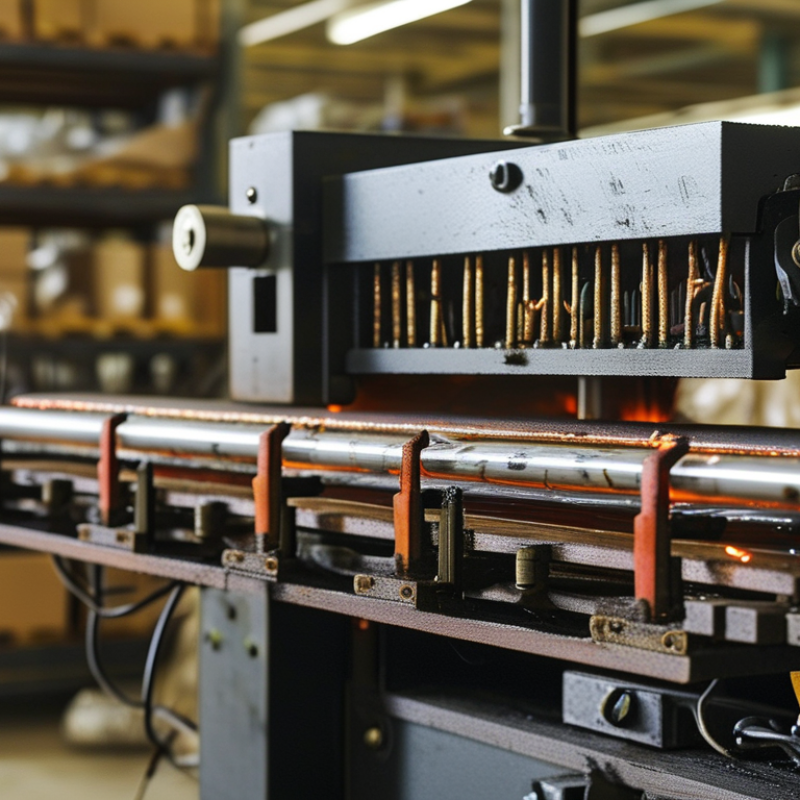
A burning smell from your shrink packaging machine can be alarming. Several common causes might lead to this issue. Overheating is often the primary culprit. When the temperature exceeds optimal levels, the heating elements can start to char plastic materials, releasing unpleasant odors. This can happen due to a malfunctioning thermostat or improper temperature settings.
Another potential cause is improper alignment. If products are not fed correctly, they may get stuck in the machine. This can lead to friction, generating heat and the dreaded burning smell. Regular inspections are essential to ensure everything is aligned properly. Routine maintenance may reveal worn-out components, which can also contribute to malfunctions and odors.
Lastly, the materials used in packaging play a role. Inferior quality films may have additives that burn easily, causing strange smells. Always choose reliable materials to minimize this risk. If your machine continues to emit burning odors, consulting a professional may be necessary.
| Cause | Description | Solution |
|---|---|---|
| Overheating | Excessive heat buildup in the machine can cause insulation or components to emit a burning smell. | Inspect thermostat settings and ensure proper airflow; clean or replace cooling fans if necessary. |
| Frayed Wires | Damaged or exposed electrical wiring can create electrical shorts, resulting in burning odors. | Regularly check wiring for damage and replace any frayed or exposed sections. |
| Improper Settings | Incorrect temperature or speed settings can cause excessive heat and lead to melting or burning of materials. | Refer to machine manual and adjust settings according to material specifications. |
| Foreign Objects | Debris or foreign objects trapped in the machine can create friction, leading to overheating. | Perform regular maintenance and clean the machine to remove any debris. |
| Worn-out Components | Parts that have aged or are damaged can create friction and heat, resulting in burning smells. | Schedule routine inspections and replace worn-out components as needed. |
: A burning smell often comes from overheating, improper alignment, or low-quality packaging materials.
Overheating can lead to equipment damage. It may cause unusual noises and inconsistent shrink patterns.
Shut down the machine immediately and allow it to cool. Inspect for any visible issues before restarting.
Regular maintenance is crucial. Routine checks can prevent overheating and other issues. Aim for frequent inspections.
Improper alignment can cause products to get stuck, leading to friction and burning smells. Regular inspections help prevent this.
Inspect heating elements for debris and lubricate moving parts regularly. Also, assess conveyor belts for damage or misalignment.
Yes, inferior films may burn easily, releasing unpleasant odors. Always choose reliable packaging materials to minimize risks.
Signs include burning smells, unusual noises, and inconsistent operation. Ignoring these can lead to costly repairs.
Regular maintenance, cleaning, and addressing issues promptly can prolong its lifespan and improve performance.
Yes, documenting symptoms and maintenance helps diagnose persistent issues. This practice can lead to better machine care.
If you find yourself asking, "Why is my shrink packaging machine smoking or smelling burnt?", it’s crucial to identify the common causes behind these worrying signs. Often, the source of the burning smell can be traced back to issues related to overheating, inadequate maintenance, or improper use of heat in the shrink wrap process. These machines rely on precise temperature control, and any deviation can lead to equipment damage, reduced efficiency, and potentially hazardous situations.
To mitigate these risks, regular preventive maintenance is necessary. This includes checking the heating elements and ensuring they are functioning correctly, as well as monitoring for any signs of wear and tear. If you continue to experience issues or if the burning smell persists despite taking preventive measures, it’s wise to consult a professional technician to assess and resolve any underlying malfunctions before further damage occurs.
