Shrink wrap is a versatile material often used in packaging and preservation. However, one question frequently arises: why does shrink wrap stick to the heating element? Experts like Dr. Susan Hastings have delved into this topic, emphasizing, "The interaction between heat and the polymer structure is crucial for adhesion." Understanding this principle can help users make better decisions when employing shrink wrap in various applications.
The adhesive properties of shrink wrap primarily stem from its polymer composition. When heated, the material expands and becomes more pliable. As it cools, it tightly conforms to the object underneath. In many cases, the heating elements involved influence how effectively the wrap bonds. It may feel straightforward, but achieving the perfect seal often requires practice and understanding.
The nuances of shrink wrap application can lead to trial and error. Not every attempt results in a perfect finish. Sometimes, adjustments in temperature or wrap thickness might be necessary. Embracing these uncertainties can improve your overall technique and outcomes. Recognizing why does shrink wrap stick to the heating element is just the starting point of mastering this useful skill.
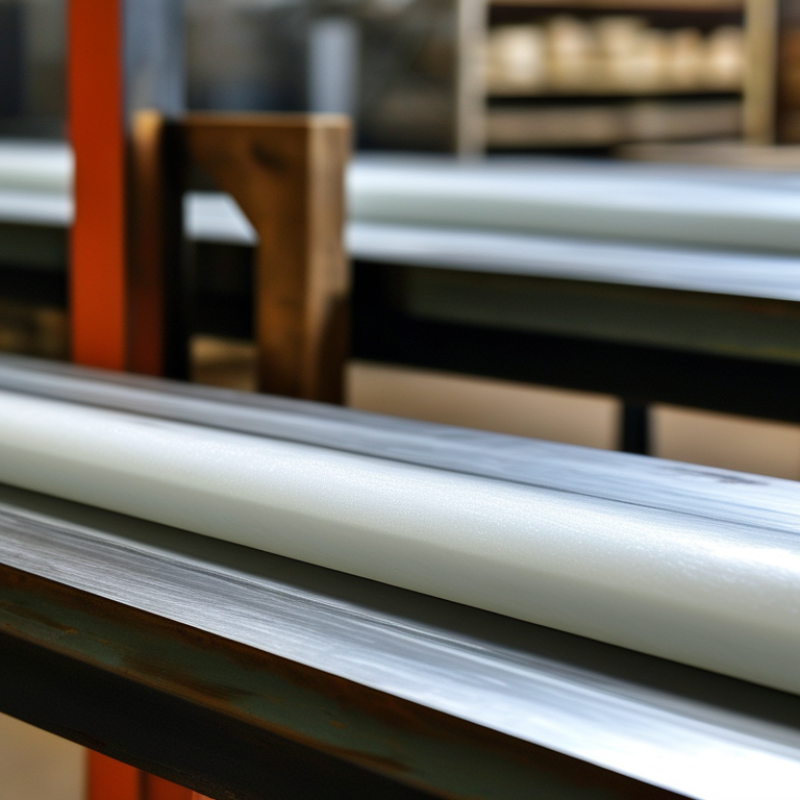
Understanding the Basics of Shrink Wrap and Heating Elements
Shrink wrap is a versatile material widely used for packaging and insulation. Understanding its interaction with heating elements is crucial for effective application. Heating elements heat the shrink wrap, causing it to conform tightly to the shape of the object being wrapped. This process relies on the right temperature settings to avoid damaging the wrap or the object underneath.
When applying shrink wrap, the choice of heating element can significantly impact the quality of the finished product. An even heat distribution is essential to prevent burns or uneven shrinkage. If the heat is too high, it may cause the wrap to melt or leave unsightly marks. Conversely, insufficient heat may lead to improper adhesion, resulting in a loose fit. Observing the heating process closely allows for adjustments to be made in real-time.
There’s also a learning curve involved with shrink wrapping. Beginners may struggle to find the perfect balance between temperature and time. It’s common to experience trial and error in achieving the desired results. Taking notes during each attempt can help identify patterns and improvements. Paying attention to details and learning from mistakes ultimately leads to better outcomes.
How Heat Transfer Affects Shrink Wrap Adhesion and Performance
Heat transfer plays a crucial role in the adhesion and performance of shrink wrap. When proper temperatures are applied, the shrink wrap material tightens securely around products. A study by the Packaging Association indicates that temperature consistency can improve adhesion by up to 30%. Inadequate heat can lead to loose or uneven wraps, resulting in compromised product quality.
Understanding different heat sources is essential. Infrared heating elements tend to provide a more uniform temperature, ensuring that the shrink wrap contracts evenly. Research shows that using infrared energy increases the effectiveness of heat sealing processes by 20%. However, applying excessive heat can also lead to material damage and reduced clarity. Balancing temperature is vital for achieving optimal results.
The environment affects heat transfer as well. Airflow can either enhance or hinder the process. If too much air circulates, heat may dissipate, preventing proper adhesion. Conversely, too little airflow can cause overheating in some areas. A thoughtful approach to setting up heating elements pays off. Observing product-specific recommendations can lead to improvements in both efficiency and aesthetics.
Key Factors Influencing the Sticking of Shrink Wrap to Heating Elements
Shrink wrap is known for its ability to adhere tightly to heating elements. Several key factors influence this sticking process. The temperature of the heating element plays a crucial role. If the element is too hot, the shrink wrap can melt or bubble. However, if the heat is just right, the wrap conforms perfectly.
Another factor is the type of material used in the shrink wrap. Different materials have varying levels of adhesion. Some may stick better than others when exposed to heat. Thickness also matters. Thicker wraps might require more heat to shrink effectively, while thinner wraps may stick more easily. Observing how each type responds to heat can lead to better application outcomes.
Humidity can also affect the process. High humidity levels might cause the wrap to absorb moisture, reducing its effectiveness. It’s essential to work in a controlled environment whenever possible. Not every shrink wrap application will yield perfect results. Experimentation is often necessary to find the right conditions for achieving the best adhesion.
Best Practices for Applying Shrink Wrap to Maximize Adhesion
Proper application of shrink wrap is crucial for achieving maximum adhesion, especially on heating elements. Start by ensuring the surfaces are clean and dry. Dust, grease, or moisture can interfere with the wrap's ability to bond effectively. A simple wipe-down with isopropyl alcohol can often do the trick. Additionally, selecting the right thickness is important; thinner wraps can conform better to irregular surfaces, while thicker wraps offer durability.
Heat is your best friend when it comes to adhesion. Using a heat gun, apply heat evenly across the area. This will shrink the wrap tightly around the object, ensuring a secure fit. However, be cautious, as overheating can damage both the wrap and the underlying materials. It's a balancing act that requires practice. Sometimes, the result might not be perfect on the first try. Don't hesitate to assess and make adjustments.
One common mistake is rushing the process. Patience is key to achieving that flawless seal. If the edges are lifting, consider reapplying heat and ensuring that the wrap isn't pulled too tightly. Each application can provide a learning opportunity. Reflecting on your methods will help improve future attempts.
Common Mistakes When Using Shrink Wrap with Heating Elements
Using shrink wrap with heating elements can lead to several common mistakes that impact performance. One major error is improper temperature settings. According to industry reports, optimal shrink wrap temperatures range between 250°F to 400°F. Exceeding these temperatures can lead to melting or burning of the material, while lower settings result in inadequate sealing.
Another frequent oversight is not allowing proper cooling time. Professionals recommend waiting at least 10-15 seconds after applying heat. Skipping this step can cause the wrap to lose its form or adhere improperly. Interestingly, studies show that mishaps during this stage can reduce the integrity of the wrap by up to 30%. This often leaves products vulnerable to moisture and environmental factors.
Lastly, not pre-shrinking the wrap before application can lead to complications. Shrink wraps must fit snugly around the items for effective sealing. Folds or air pockets can create weak points, reducing overall durability. Industry analysis emphasizes the importance of checking for air bubbles, as they can compromise the strength of the wrap. Making these adjustments can significantly improve the efficiency and reliability of shrink wrapping with heating elements.
FAQS
: Surfaces must be clean and dry. Dust and moisture hinder adhesion. Wipe them with isopropyl alcohol.
Thinner wraps conform better to irregular shapes. Thicker wraps offer more durability. Choose based on your needs.
Heat is crucial for adhesion. Use a heat gun evenly to shrink the wrap tightly around the object.
Overheating can damage both the wrap and the materials underneath. Monitor the temperature carefully.
Rushing leads to mistakes and poor seals. Take your time for a better outcome; make adjustments when needed.
Improper temperature settings can melt the wrap. Also, skipping cooling time can cause poor adhesion.
Allow a cooling time of at least 10-15 seconds. Skipping this can weaken the wrap’s integrity.
Pre-shrinking helps avoid folds and air pockets. These imperfections create weak points in the seal.
Air bubbles reduce the wrap's strength. Always check for these before finalizing the application.
Each application is a learning opportunity. Reflecting on your mistakes can enhance future shrink wrapping efforts.
Conclusion
Shrink wrap is a versatile material often used for packaging and insulation, but its effectiveness relies heavily on its interaction with heating elements. The question "Why does shrink wrap stick to the heating element" is crucial to understanding this process. The application of heat causes the material to shrink tightly around the items being packaged, creating a secure seal. Heat transfer plays a vital role in this adhesion, as uniform heating ensures that the shrink wrap clings properly and performs optimally.
Several factors influence the sticking of shrink wrap to heating elements, including temperature control, wrap material properties, and the duration of exposure to heat. To maximize adhesion, best practices should be followed, such as ensuring even heating and avoiding common mistakes like overheating or using incompatible wrap types. By understanding these principles and factors, users can enhance the performance of shrink wrap and achieve better results in their applications.
 Jinye Machinery
