Jinye Machinery Jinye Machinery

Top Tips for Waterproof Pallet Packaging with Shrink Wrap

Time:2026-11-01 Author:Sienna
0%

Waterproof pallet packaging is not created by shrink wrap alone. A single loose corner can admit rain, while a poorly secured load may shift and tear the film before it reaches storage. How to ensure waterproof pallet packaging with shrink wrapping begins with treating the pallet, film, and wrapping process as one system.

ISTA’s 3E procedure evaluates unitized loads under simulated transport hazards, including vibration and shock. ASTM D4169 likewise provides a framework for evaluating shipping-container performance. These standards matter because warehouse rain is only one risk; condensation, handling, and load movement can also compromise protection. They do not certify a pallet as waterproof, so test conditions should match the actual route and exposure.

For a practical starting point, keep cartons dry, use a stable pallet, overlap the film at the base, and cover exposed top surfaces with a suitable hood or cap. Then check the load: no sharp edges should press against the film, and the bottom wrap should grip the pallet securely. Small details matter.

Packaging engineer Dr. Jay Singh’s work is a useful technical reference, but I cannot verify a direct quotation from him about waterproof shrink-wrapped pallets. Rather than invent one, this introduction uses established testing guidance. One limitation remains: shrink film can reduce water exposure, but it cannot guarantee waterproofing under every weather, storage, or transport condition. Test a finished load before relying on it.
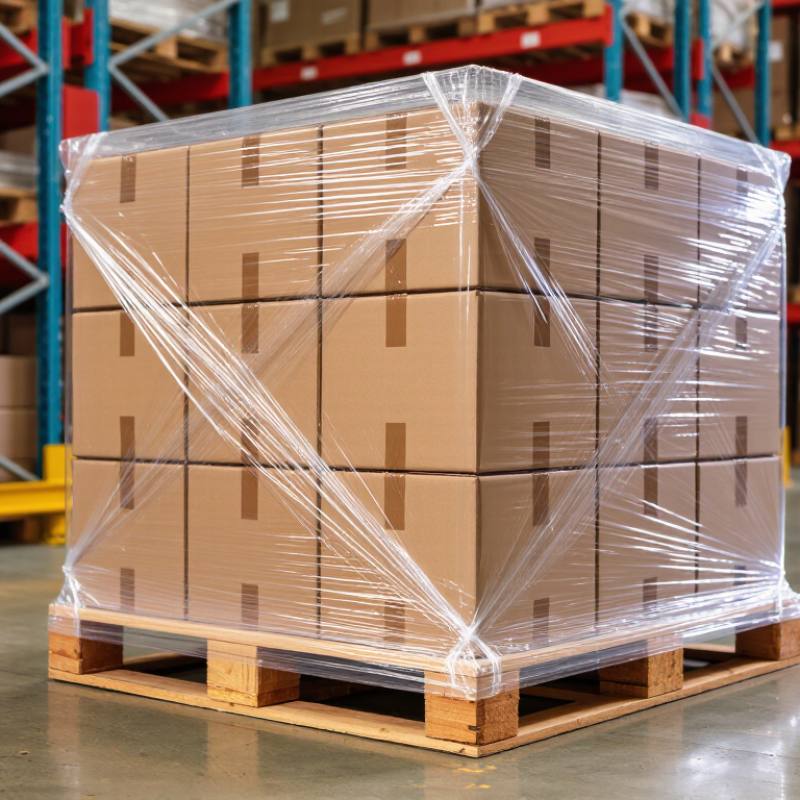
Top Tips for Waterproof Pallet Packaging with Shrink Wrap

Assess Moisture Risks and Set Packaging Requirements

Before choosing shrink wrap, map where moisture can reach the pallet. Rain during loading, damp floors, condensation inside containers, and humid storage each create different risks. Check the route, dwell time, and handling points, not only the warehouse forecast. A pallet parked under a leaky dock canopy faces a different problem from one sealed in a cool trailer.

Inspect the goods and packaging too. Cartons with exposed seams, water-sensitive labels, or absorbent corners may need added protection before wrapping. Note whether products enter storage warm and leave into colder air; temperature changes can cause condensation beneath film. A quick trial with a temperature logger or moisture indicator can reveal problems that a visual check misses. Keep records across representative shipments.

Turn those findings into measurable requirements. Specify film coverage, overlap, pallet height, and whether a top sheet or corner boards are needed. Define acceptable storage exposure and inspection timing, then test a wrapped load through the actual route when practical. Do not assume thicker film solves every leak; trapped moisture can remain hidden. That part is easy to overlook. I would revise the specification after any wet-load failure, even if the cause seems obvious.

Top Tips for Waterproof Pallet Packaging with Shrink Wrap

Assess Moisture Risks and Set Packaging Requirements

How to use this: Dew points are calculated for air at 20°C using the Magnus approximation. If a pallet or product surface cools to or below the dew point, condensation may form. Keep goods dry before wrapping; use a suitable moisture-barrier liner and desiccants when the route or cargo requires them. Shrink wrap helps protect against splashes but does not, by itself, guarantee protection from condensation or water ingress.

Choose Shrink Film and Complementary Waterproofing Materials

Choose shrink film for the load, not just the pallet. For heavy, sharp-edged cartons, a tougher film can resist punctures during handling. Lighter, uniform loads may need less material. Check the film’s recommended shrink temperature and use suitable equipment; excessive heat can weaken packaging or damage goods. Details matter.

Water resistance depends on coverage as much as film choice. Fit a waterproof pallet cap or top sheet over the load before wrapping, and overlap its edges beneath the film. Add corner boards where carton edges could cut the film. Keep the bottom layer protected too: a moisture-resistant pallet sheet can reduce exposure from damp floors, though it will not prevent water entering from every direction. Seal loose seams with compatible waterproof tape. Test before scaling.

A close wrap can shed brief splashes, but it is not automatically a sealed barrier. Condensation may collect inside if warm or damp goods are enclosed, so let products dry and cool before packaging. I have seen teams focus on thicker film and overlook a tiny gap near the top. That detail can matter. Inspect a wrapped pallet from every side, then check it after a realistic handling trial. If film tears at corners, adjust edge protection or wrapping tension rather than simply adding more layers.

Top Tips for Waterproof Pallet Packaging with Shrink Wrap — Choose Shrink Film and Complementary Waterproofing Materials
Packaging Need Suggested Material or Specification Purpose Application Tip
General pallet weather protection Polyethylene shrink film, approximately 100–150 microns (4–6 mil) Creates a close-fitting outer cover that helps shield a load from rain, splash, dust, and handling abrasion. Choose film width and length that allow full coverage, including the load’s top and lower edges.
Heavier or irregular loads Heavy-duty polyethylene shrink film, approximately 150–200 microns (6–8 mil) Provides a tougher cover for bulky loads and conditions involving greater handling or puncture risk. Check corners, sharp edges, and protrusions; add edge protectors before shrinking to reduce tear risk.
UV exposure during outdoor storage UV-stabilized shrink film, with the supplier’s stated outdoor exposure rating Helps slow film degradation from sunlight compared with film without UV stabilization. Confirm the rated exposure period and replace or inspect the cover if storage conditions exceed it.
Water entry from the pallet base Water-resistant pallet sheet, bottom cap, or waterproof pallet cover Helps separate goods from damp pallet boards and reduce water entry beneath the load. Place the sheet beneath or around the load as appropriate, while avoiding trapped moisture where ventilation is needed.
Moisture-sensitive products Moisture-barrier liner or sealed inner bag compatible with the product Adds a secondary barrier inside the shrink film, which may not provide a fully sealed moisture barrier by itself. Close the liner securely and select a material suitable for the product and expected storage conditions.
Rain-shedding at the top Water-resistant top sheet or pallet hood beneath the shrink film Provides an additional layer over the load’s upper surface and helps reduce direct water exposure. Position the sheet with enough overlap to protect the top edges; avoid creating pockets that collect water.
Improved load stability Stretch film or strapping used as a separate load-securing method Helps hold cartons or items together during transport; it serves a different function from the weather cover. Secure the load before applying the outer shrink cover, and use corner boards where straps could crush cartons.
Reduced punctures at sharp contact points Corrugated or plastic corner boards and edge protectors Distribute pressure and protect film and product edges from abrasion or puncture. Cover exposed corners and strap contact areas before wrapping or shrinking.
Inspection and maintenance Visual checks of seams, tears, openings, and water pooling Identifies damage that could compromise the protective packaging during storage or transit. Inspect after shrinking and after handling; repair or replace damaged covers before exposure to rain.
Important limitation Shrink film plus suitable secondary barriers Shrink wrap can reduce exposure to weather, but it should not automatically be treated as a hermetic or fully waterproof seal. For prolonged outdoor storage or high-value moisture-sensitive goods, validate the complete packaging system under expected conditions.

Prepare the Pallet and Stabilize the Load

Before applying shrink wrap, inspect the pallet for cracked boards, protruding nails, and damp patches. A sound base matters. Replace damaged pallets and let wet surfaces dry; trapped moisture can weaken cartons and encourage slipping. Place heavier cartons low and lighter cartons above, keeping every box within the pallet edges. Align carton faces to create a stable, squared stack. Small gaps invite movement. Fill voids with suitable dunnage, and use corner boards where straps or wrap could crush carton edges. Keep the bottom layer level, even if one carton seems only slightly out of place.

Gently press the finished stack from its sides; cartons should not shift or rock. This quick check catches loose layers before wrapping hides them. Add suitable strapping or sheet stabilizers when the load is tall, mixed, or top-heavy, but avoid pressure that deforms cartons. Remove loose film and scraps from the pallet deck. Apply a waterproof top cover, then wrap from near the base upward, overlapping each pass and securing the film around both load and pallet. Film cannot correct poor stacking. A small carton may still slip; rearrange the load instead of adding endless wrap.

Apply Shrink Wrap for Secure, Continuous Coverage

A secure shrink-wrap barrier starts with a dry, stable load. Remove loose moisture and cover sharp corners that could puncture the film. Leave no gaps. Place a waterproof top sheet over the goods, then bring the shrink film up from the pallet base. Overlap each pass generously, especially where the film changes direction around corners. The seams should form one continuous skin, not separate bands with exposed channels.

Work slowly around the pallet, keeping the film taut without crushing cartons or bending delicate items. Apply heat evenly, following the film’s specifications and keeping the heat source moving. Uneven heating can leave loose pockets; too much heat can weaken the wrap. In practice, the underside is easy to overlook. Make sure the film grips around the pallet deck, where splashback can reach exposed packaging. Check the top and corners for pinholes, open seams, and places where water might collect. Shrink wrap helps resist rain and splashes, but it cannot guarantee protection during prolonged standing water or damaged-film exposure. A quick final inspection is worth the extra minute.

Inspect the Package and Protect It During Storage and Transit

A shrink-wrapped pallet can look sealed while water still enters through a torn corner, an open top, or pooled rainwater. Inspect every face before storage and dispatch. Check the film for punctures, loose seams, and sharp carton edges that may cut it. Confirm cartons are dry, labels remain readable, and the load sits squarely on the pallet. Shrink wrap helps stabilize a load, but it is not a waterproof barrier by itself.

Transit conditions deserve attention. UNCTAD’s Review of Maritime Transport 2023 reports that over 80% of world merchandise trade by volume travels by sea, where long journeys can expose cargo to changing weather and humidity. The World Shipping Council’s 2023 Containers Lost at Sea report recorded 661 containers lost in 2022. That figure does not measure water damage, but it is a reminder that handling and transit risks are real. Use a compatible waterproof top cover or pallet hood, keep pallets off damp floors, and avoid trapping moisture inside a tightly sealed load. A quick visual check helps, though it cannot replace suitable packaging.

Tips: Photograph each wrapped pallet before loading. Add corner boards where straps or film press against carton edges. Store pallets under cover, with space between loads for inspection. Check again after rain or rough handling. A small wrinkle may mean nothing; a cut near the top deserves a closer look.

FAQS

How should I choose shrink film for a pallet load?

Match film strength to the cartons. Heavy boxes with sharp edges need more puncture resistance; lighter, uniform loads may need less material. Check the recommended shrink temperature. Too much heat can weaken film or damage goods.

Does shrink film make a pallet fully waterproof?

Not automatically. A close wrap can shed brief splashes, but gaps may let water in. Add a waterproof top cover and overlap its edges beneath the film. Small gaps matter.

What extra materials can help protect the load?

Use corner boards to protect carton edges, a moisture-resistant sheet beneath the load, and compatible waterproof tape on loose seams. These help, but water can still enter from other directions.

How can I reduce moisture trapped inside the wrap?

Let products dry and cool before wrapping. Warm or damp goods can collect condensation inside the film. That detail is easy to miss.

What should I check on the pallet before wrapping?

Look for cracked boards, protruding nails, and damp patches. Replace damaged pallets and let wet surfaces dry. A sound base matters.

How should cartons be arranged on the pallet?

Place heavier cartons low and lighter ones above. Keep boxes within the pallet edges and align them into a squared stack. Fill gaps with suitable dunnage.

How can I tell if the stack is stable?

Gently press its sides. Cartons should not shift or rock. Rearrange loose boxes instead of trying to fix poor stacking with more film.

How should I wrap and inspect the finished load?

Apply a top cover, then wrap from near the base upward. Overlap each pass and secure film around the load and pallet. Inspect every side, then check again after a handling trial. If corners tear, adjust edge protection or tension. More layers may not solve it.

Conclusion

How to ensure waterproof pallet packaging with shrink wrapping begins with assessing the shipment’s exposure to rain, condensation, and humid storage, then setting clear protection requirements. Choose a shrink film suited to the load and conditions, and add compatible waterproofing materials where needed, such as protective sheeting or moisture barriers. Before wrapping, make sure the pallet is dry, sound, and free of sharp edges that could puncture the film. Arrange the goods evenly and stabilize them with appropriate strapping or other load-securing methods.

Apply the shrink wrap with consistent tension, covering the load and pallet as continuously as possible while avoiding gaps around the top, sides, and base. Use care not to damage the film during application, and check that seams and vulnerable areas are adequately protected. Finally, inspect the finished package for holes, loose sections, or exposed areas, and repair any weaknesses before dispatch. During storage and transit, keep pallets away from standing water and protect them from unnecessary handling that could compromise the wrap.

Sienna

Sienna

Sienna is a skilled marketing professional with a deep expertise in our company’s core products and services. With a passion for innovation and detail, she plays a pivotal role in crafting insightful blog posts that not only highlight the unique features of our offerings but also provide valuable......