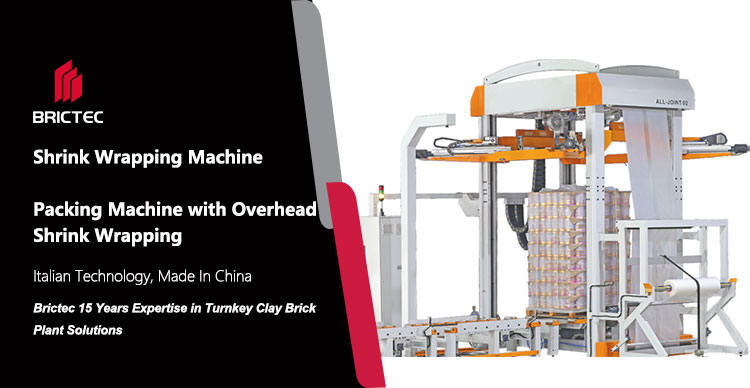
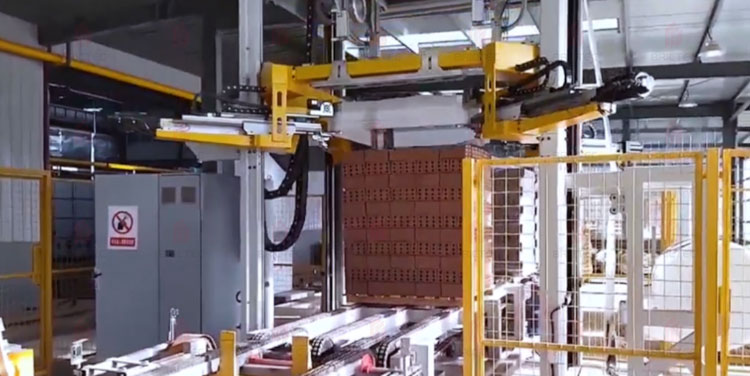
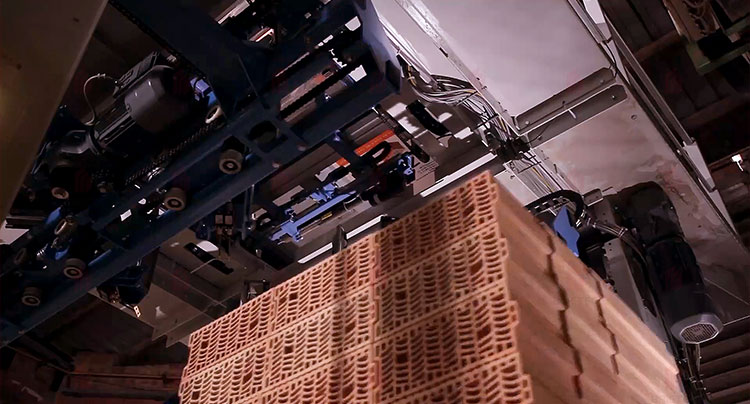
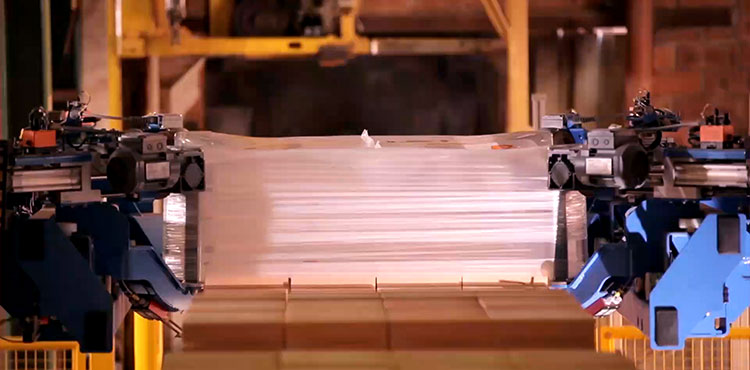
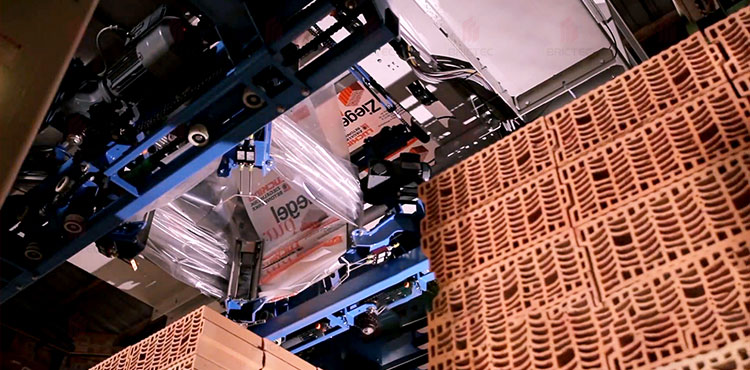
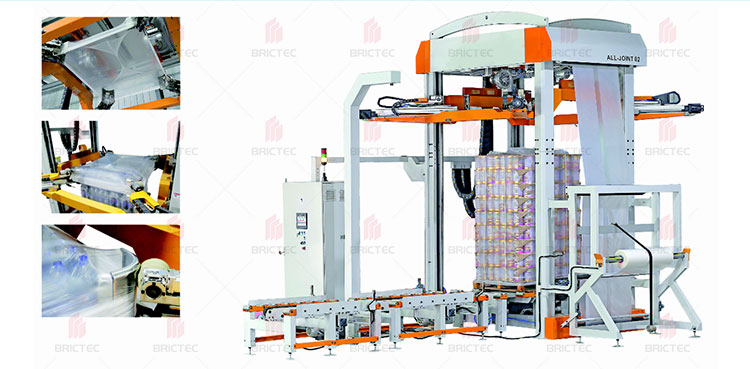
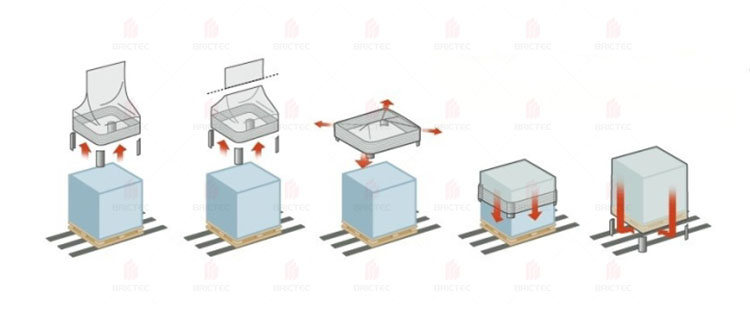
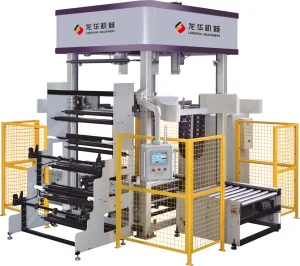
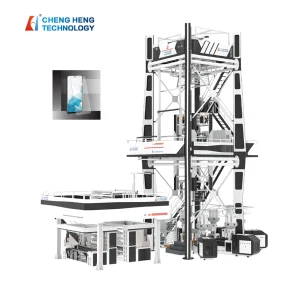
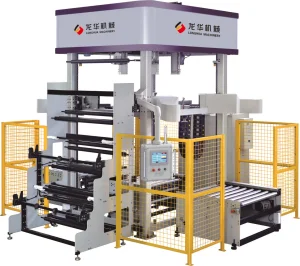
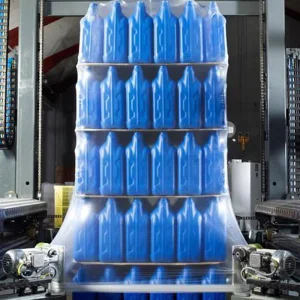
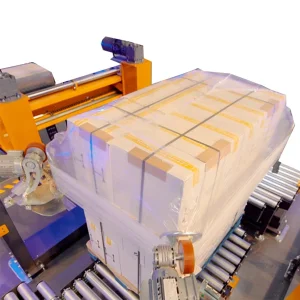
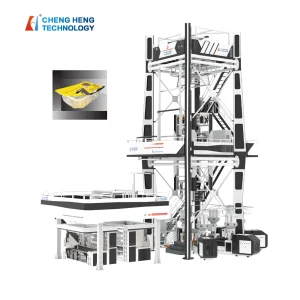
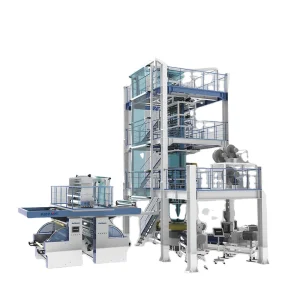
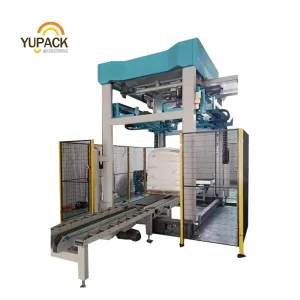
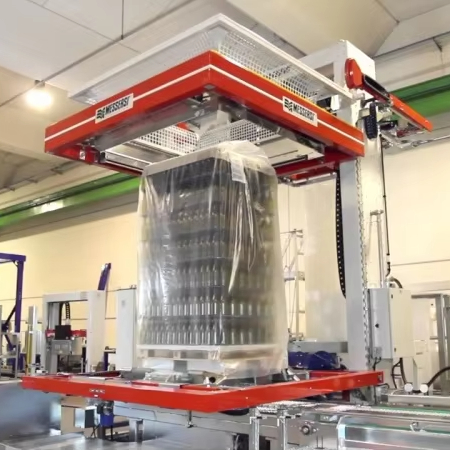
Shrink Wrapping Machine is a mechanical device used for packaging products by stretching, positioning, and heat-sealing film materials to achieve rapid and efficient packaging. It is widely used in the packaging of various industries, including food, beverages, local specialties, ceramics, and building materials.
Product Types for Packaging
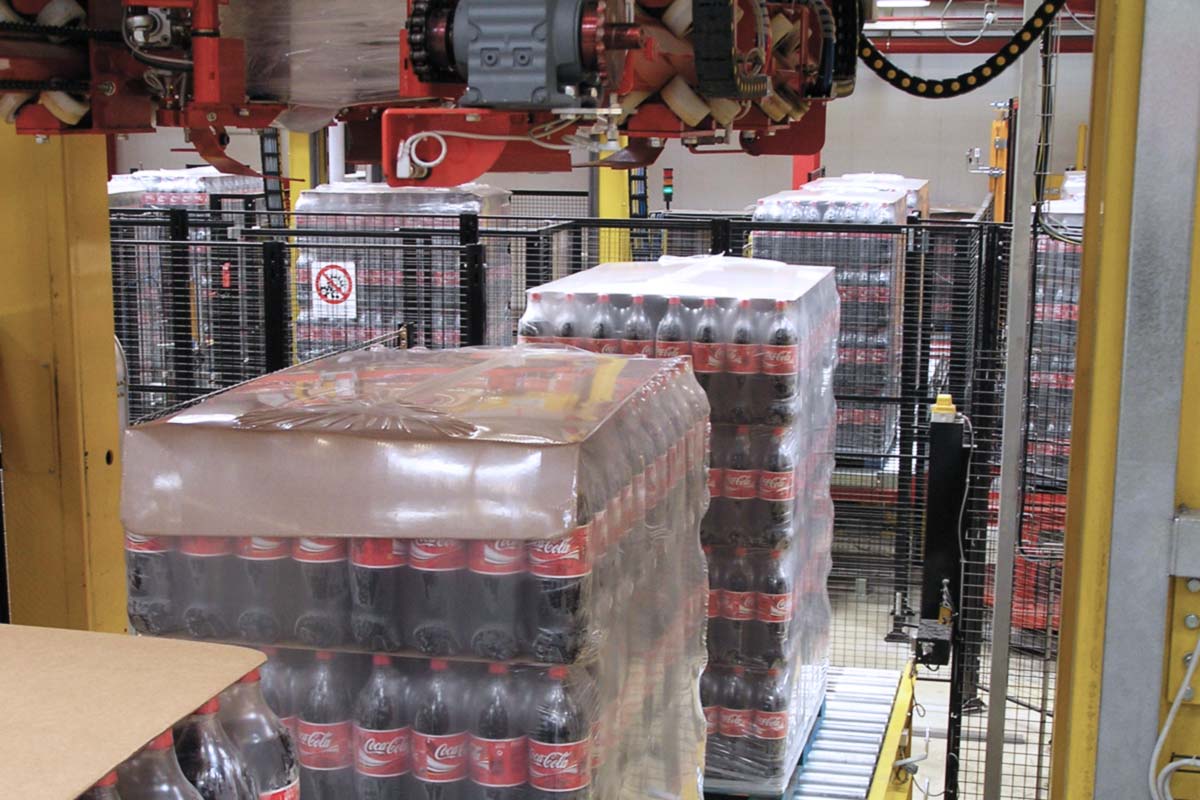
1. Food Industry: Suitable for larger items such as food, beverages, and local specialties.
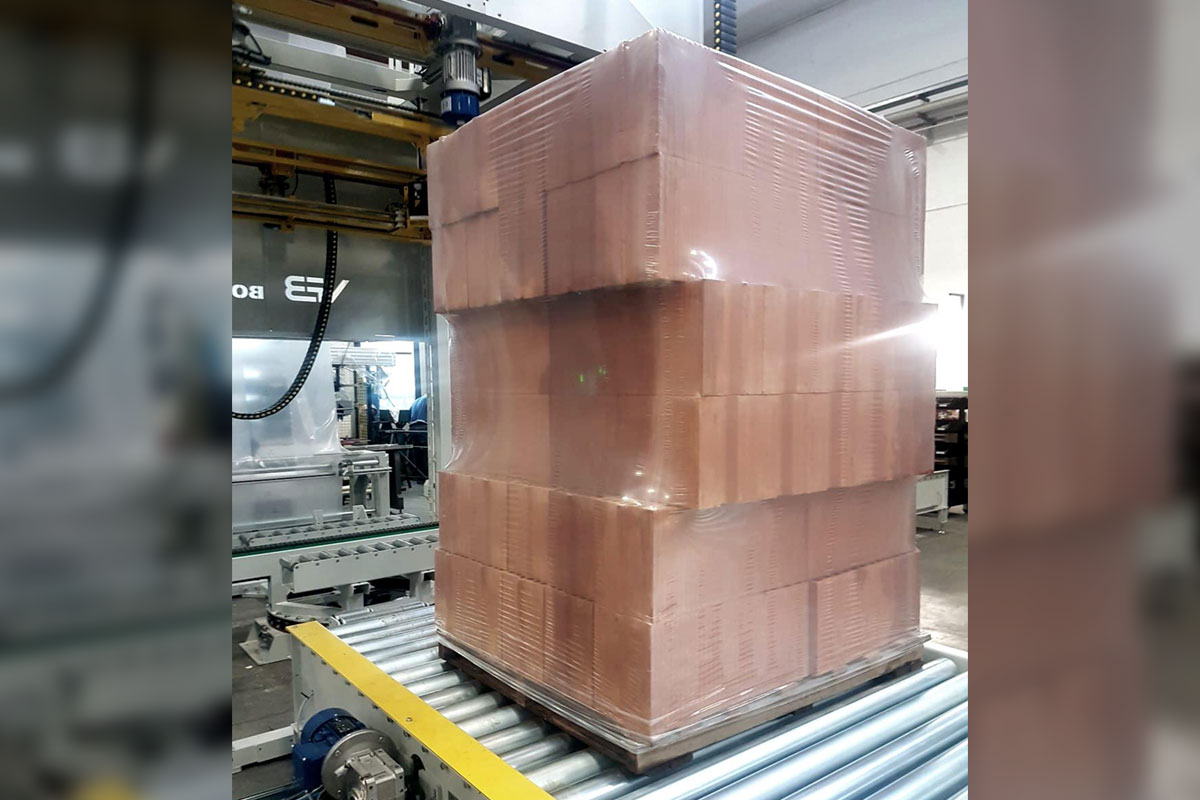
2. Building Materials Industry: Suitable for building materials such as clay bricks, cement, and special mortars.
3. Other Industries: Suitable for industries such as home appliances, chemicals, papermaking, can manufacturing, and logistics.
Features and Advantages
1. High Efficiency: Fast packaging speed and high capacity, with some fully automatic cold stretch wrapping machines capable of handling up to 60 pallets per hour.
2. Cost Savings: Compared to traditional packaging methods, shrink wrapping machines can save on packaging costs. Cold stretch wrapping machines can also use thinner films to further reduce costs.
3. Protective Performance: The film has properties such as waterproofing, dustproofing, and moisture resistance, effectively protecting the products.
4. Easy Operation: The equipment is easy to operate and maintain, making it suitable for large-scale production.
5. Safety and Environmental Protection: Cold stretch wrapping machines do not require heat, saving energy and eliminating the risk of fire or explosion.
Film Materials Used
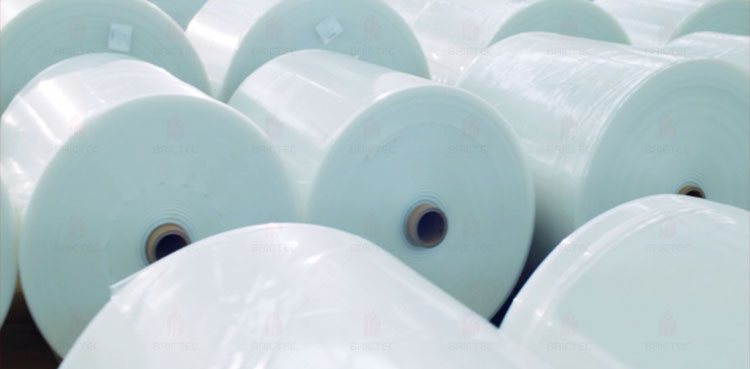
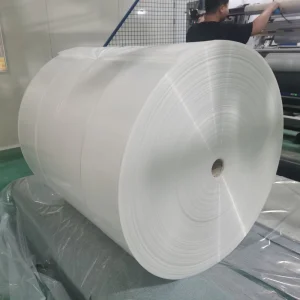
1. PE Film: Suitable for heat shrink packaging, with good transparency and shrinkage properties.
2. PVC Film: Some machines also support PVC film for specific packaging needs.
3. Cold Stretch Film: Features high strength, low friction, and printability, suitable for various packaging scenarios.
Additional Information
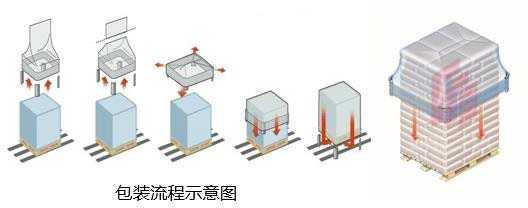
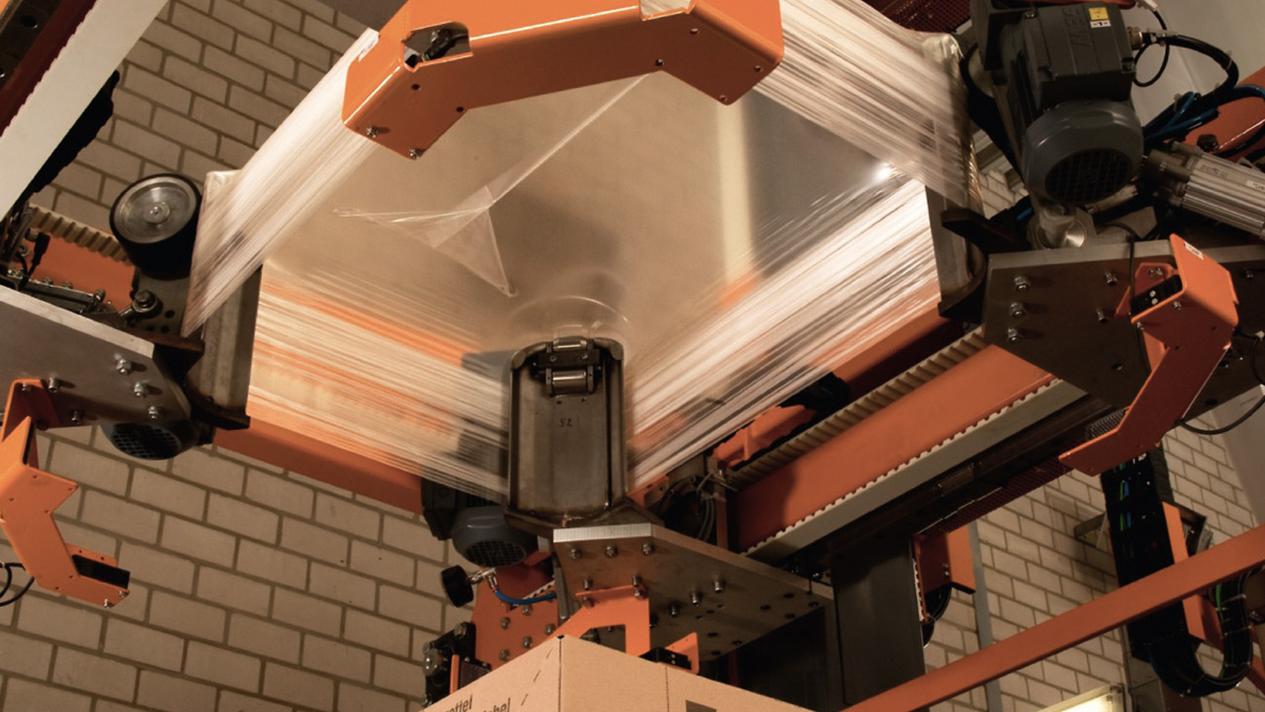
1. Packaging Effect: Shrink wrapping machines provide comprehensive protection for products, offering six-sided packaging to prevent the impact of environmental factors such as dust and moisture.
2. Customized Design: The equipment can be customized according to actual needs, such as film thickness, pallet structure, and pallet size.
3. Application Scope: In addition to common packaging needs, shrink wrapping machines can also be used for special industry packaging, such as stable load packaging for chemical products.
Common Failures, Causes and Solutions
1. Electrical Control System Failures
PLC Failure: The output relay contacts of the PLC may stick, causing the motor or solenoid valve to fail to stop properly. Solutions include:
- Using a programmer to modify the program, changing the damaged output point to a spare output point, and adjusting the wiring.
- Disassembling the PLC and replacing the damaged output relay.
Proximity Switch Failure: Unstable signals from proximity switches may cause the machine to malfunction. The solution is to install an additional proximity switch of the same model in parallel with the existing one, allowing dual switches to work in parallel for increased reliability.
Magnetic Switch Failure: Excessive speed of the cylinder may prevent the magnetic switch from detecting the signal. The solution is to adjust the throttle valve of the cylinder to reduce its operating speed.
Solenoid Valve Failure: If the solenoid valve is leaking air or fails to switch, the cylinder may not move or reset properly. The solution is to check for hissing sounds from the solenoid valve to identify the leaking valve and replace it.
2. Mechanical Component Failures
Feeding Issues: Feeding may be obstructed due to foreign objects blocking the feeding device. The solution is to inspect and clean the feeding device.
Poor Sealing: This may be caused by improper machine settings. The solution is to check the settings of the sealing device and adjust the sealing temperature, pressure, and time.
Mechanical Wear: Wear of the conveyor belt or pressure rollers may cause the film to tear. The solution is to regularly inspect and replace worn mechanical components.
3. Packaging Material-Related Failures
Accumulation or Jamming of Shrink Film: This may be due to the shrink film size not matching the machine, improper control of film roll diameter, or poor machine adjustment. Solutions include:
- Ensuring that the shrink film size is compatible with the machine.
- Adjusting the position of the center post, drive rollers, and cutting blade of the machine.
Shrink Film Misalignment: This may be caused by improper placement of the film roll or tension balance rod settings. The solution is to adjust the position of the film roll and tension balance rod.
Shrink Film Breakage: This may be due to excessive temperature settings or too fast a conveying speed. The solution is to adjust the machine's temperature settings and conveying speed according to the thickness and type of film material.
4. Operation and Setting Issues
Inaccurate Labeling Position: This may be due to improper machine adjustment or static interference. Solutions include selecting a high-stability labeling machine, enhancing operator training, and using static elimination devices.
Machine Failure to Start: This may be due to unstable power supply voltage or loose electrical connections. The solution is to check the power supply voltage and electrical connections, and tighten or replace them as necessary.
5. Other Common Issues
Poor Packaging Effect: This may be due to improper settings of temperature, speed, air volume, and air speed. The solution is to adjust these parameters according to packaging requirements.
Uneven Film Surface: This may be due to poor quality shrink film or lack of proper perforation treatment. The solution is to select high-quality shrink film and perforate the film as needed.
These are summaries of common failures of shrink wrapping machines. I hope this information is helpful. If you encounter specific problems, it is recommended to refer to the machine's user manual for troubleshooting and contact professional technicians for maintenance and repair in a timely manner.
Frequently Asked Questions (FAQ)
Q1 What industries are cold shrink wrapping machines best suited for?
They are widely applied across multiple industries, including food and beverage processing, chemical production, home appliances manufacturing, papermaking, can making, logistics, and building materials such as clay bricks and cement.
Q2 What are the main benefits of using a cold stretch wrapping machine over hot shrink tunnels?
Cold stretch wrapping does not require heat, which significantly reduces energy consumption. It eliminates the risk of fire or explosion, allows the use of thinner and more cost-effective films, and provides highly reliable six-sided waterproofing and dustproofing protection.
Q3 Which types of film materials can be used with these machines?
Depending on the specific model and configurations, these machines support PE film (excellent for transparency and shrinkage), PVC film, and specialized high-strength, low-friction, printable cold stretch film.
Q4 How should I troubleshoot a PLC failure when a motor or solenoid valve won't stop?
This issue is often caused by stuck output relay contacts in the PLC. You can resolve it by using a programmer to modify the control program (mapping to a spare output point and adjusting the wiring) or by replacing the damaged output relay on the PLC board.
Q5 What causes the shrink film to break during the packaging process?
Film breakage is typically caused by excessive heat settings or too fast a conveying speed. To fix this, you should adjust the temperature and speed settings to match the thickness and material specification of the film roll being used.
Q6 Can the packaging equipment be customized to fit specific production needs?
Yes. The equipment designs can be customized according to parameters such as film thickness, unique pallet structures, load sizes, and capacity requirements to match specific operational layouts.
 Jinye Machinery