Jinye Machinery
Jinye Machinery
Jinye Machinery
Precision Engineering Systems for Seamless Wrapping, Sealing, and Thermal Shrinking
Decoding the high-precision demands, material chemistry, and technological advances driving modern packaging efficiency
In the global supply chain, packaging acts as both a protective barrier and a marketing touchpoint. Shrink film cutting and sealing technology sits at the intersection of material science and mechanical automation. With the rising reliance on high-durability polymer films, including Polyolefin (POF), Polyvinyl Chloride (PVC), and Polyethylene (PE), modern manufacturing facilities demand machinery that delivers hermetic seals, impeccable aesthetics, and continuous processing speeds. This industrial guide explores how global demands shape the manufacturing profile of shrink film equipment and analyzes why Chinese factories, led by pioneers like Shanghai Jinye Machinery Co., Ltd., have become the premier partners for international sourcing.
Globally, sectors ranging from food processing and pharmaceutical transport to consumer electronics and logistics require high-speed wrapping systems. Shrink wrapping not only stabilizes products for distribution but also protects items from dust, moisture, and pilferage. However, the efficiency of a shrink wrap system depends heavily on its sealing and cutting module. A poor cut leads to structural weakness during the heat-tunnel shrinking phase, while improper thermal management causes film tear or excess energy consumption. As companies worldwide transition towards thinner, multi-layered co-extruded films to meet ESG (Environmental, Social, and Governance) targets, the precision requirements for sealing jaws, hot-knife alloys, and temperature control loops have scaled exponentially.
In highly automated environments, any downtime in the secondary packaging line creates immediate bottlenecks in the primary packaging lines. Therefore, procurement teams must look past the initial capital expenditure of machinery. They need to evaluate the technical robustness of the film-feeding mechanisms, the metallurgy of the cutting blades, the integration capability of the PLC controllers (such as Siemens or Omron systems), and the availability of responsive localized support. Chinese factories have evolved from simple assembly shops into end-to-end industrial engineering partners that deliver robust packaging machinery built to meet strict European CE and North American UL safety standards.
How Shanghai Jinye integrates advanced metallurgy, precision engineering, and lean manufacturing workflows
The global dominance of Chinese shrink wrapping machinery is not merely a matter of pricing; it is a result of mature cluster supply chains, deep manufacturing integration, and rapid engineering iterations. As highlighted in the operational overview of Shanghai Jinye Machinery Co., Ltd., the integration of precision engineering—from sheet metal laser cutting to advanced CNC machining centers—ensures that every structural plate, sealing bar guide, and mechanical link is manufactured to sub-millimeter tolerances. When sealing and cutting polymer films at speeds exceeding 60 packages per minute, even a microscopic deviation in machine alignment can result in rapid component wear and poor heat distribution.
Advanced PID-controlled heating systems dynamically adjust sealing temperature in real-time, preventing burn-through or weak seals across variable film grades.
Sealing knives coated with Teflon-DuPont coatings withstand high-temperature cycles without residue build-up, maintaining a clean cutting profile.
Pneumatic and electrical assemblies utilize standardized global brands (SMC, Schneider, Omron), facilitating simple local replacement and maintenance.
Furthermore, Chinese equipment suppliers leverage robust regional component supply chains to integrate high-end features at competitive costs. This includes features like servo-driven film feed systems, micro-perforation units for controlled air escape during shrinkage, and active tension-relieving structures. By optimizing these components, Shanghai Jinye machinery allows operators to run thin-gauge films without stretching or tearing, translating directly to substantial raw material cost savings over the equipment's operational life. The geographic advantage of being headquartered in Shanghai also guarantees rapid shipping access through one of the world's most active deep-water ports, reducing transit time for international orders.
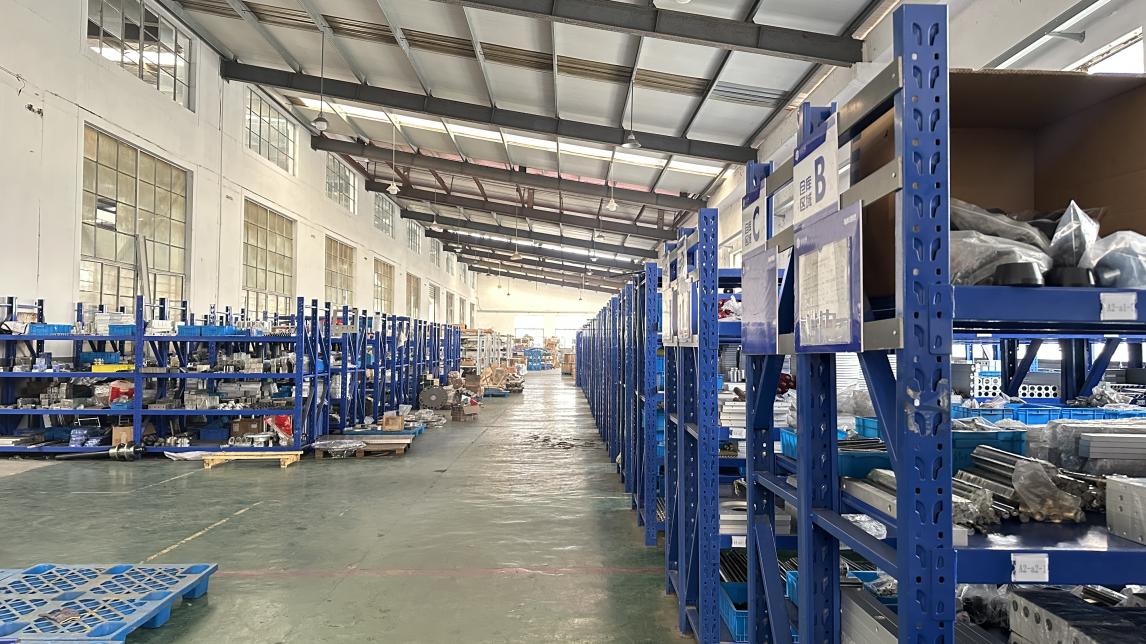
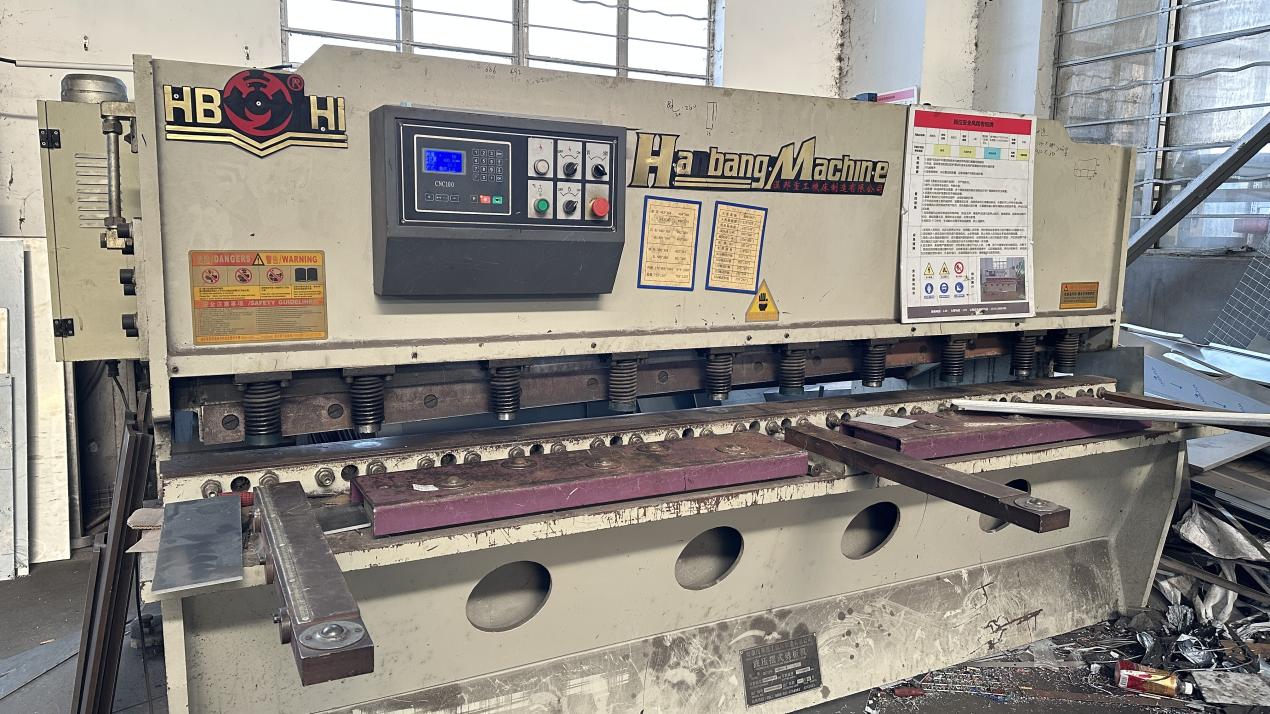
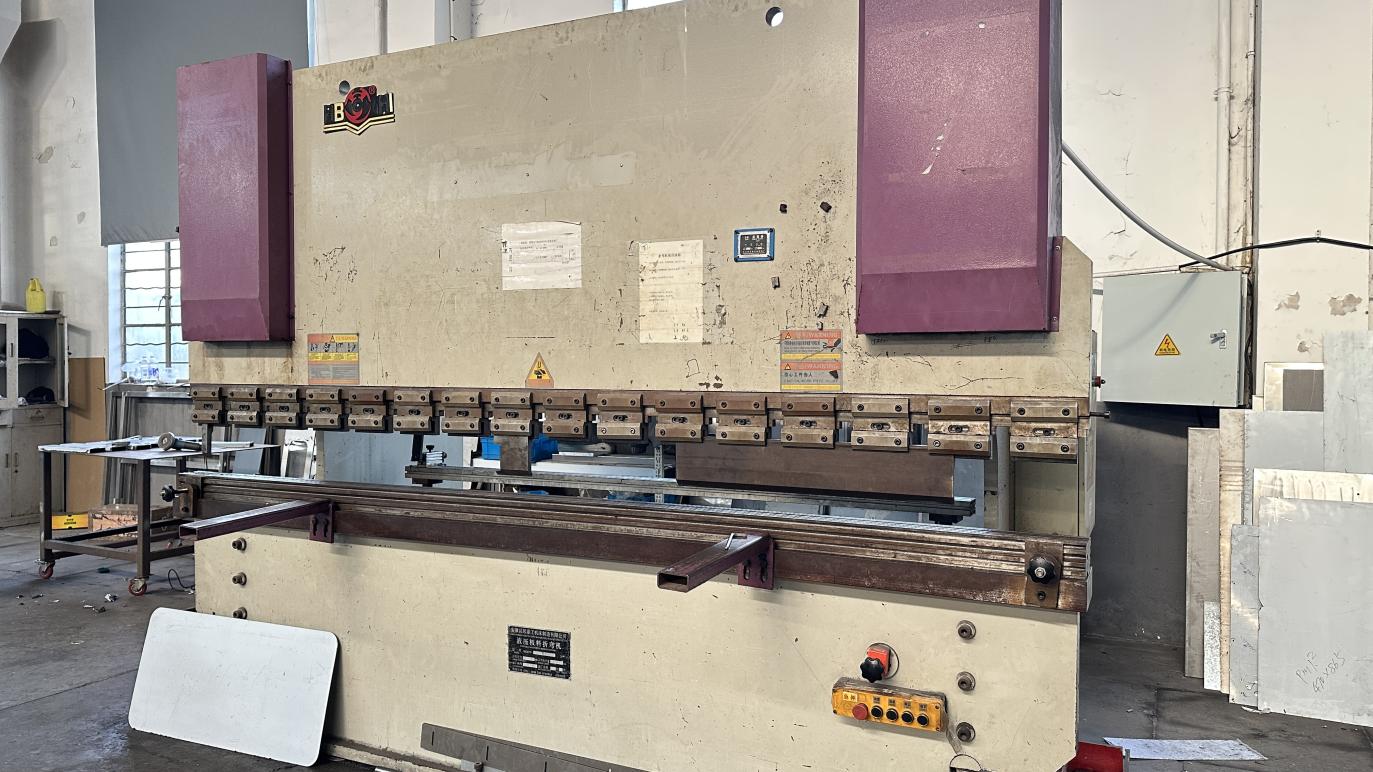
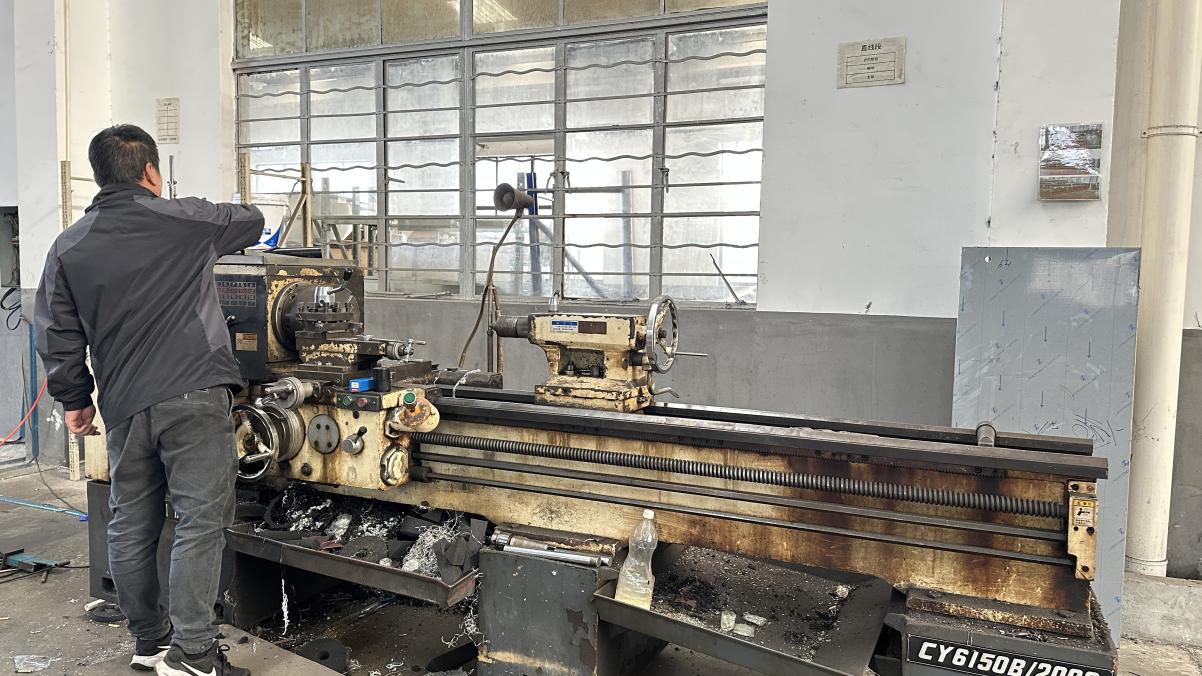
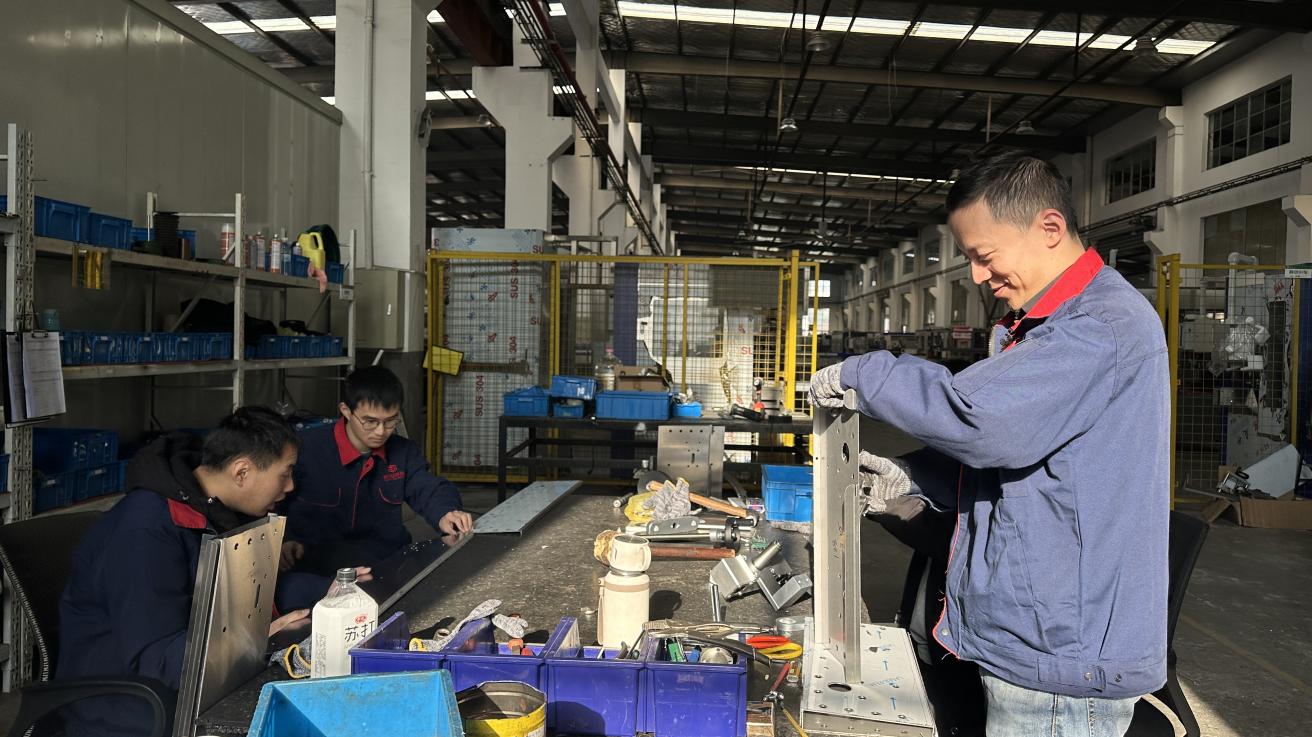
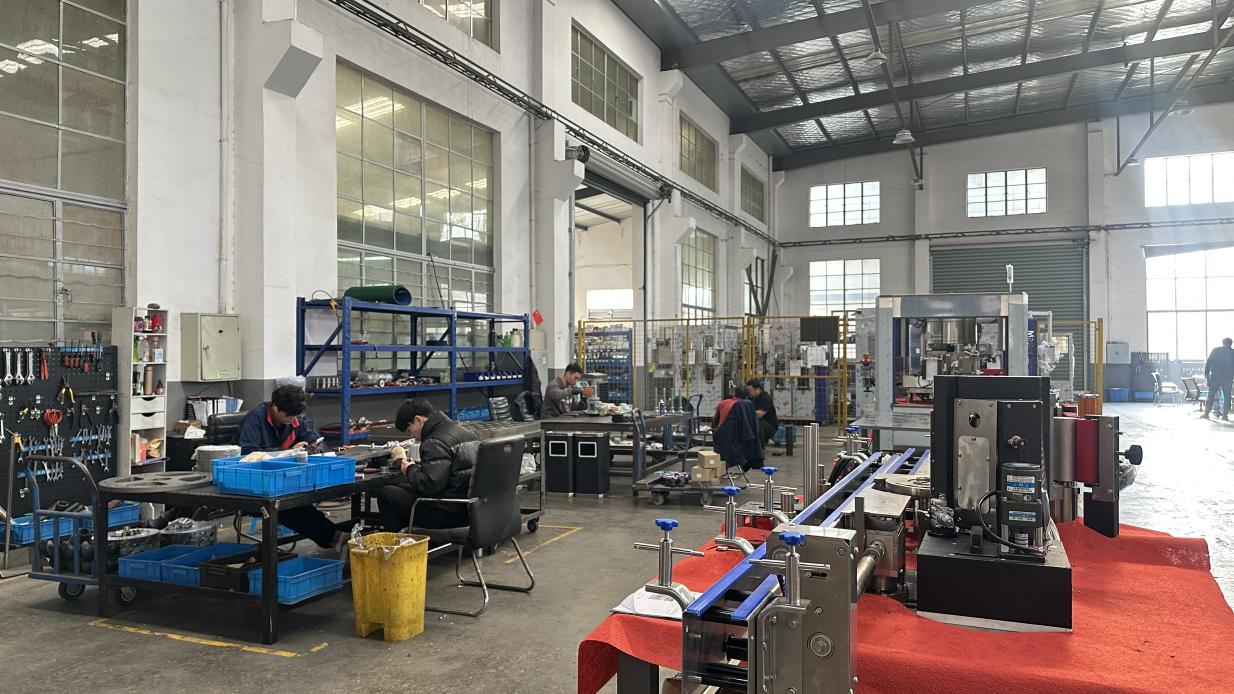
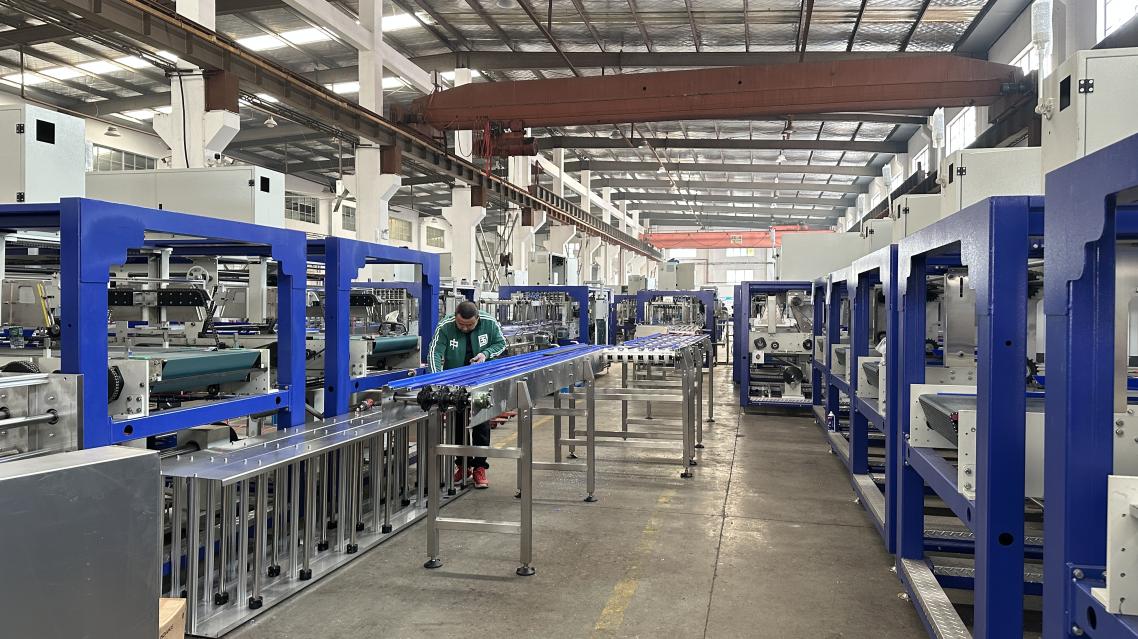
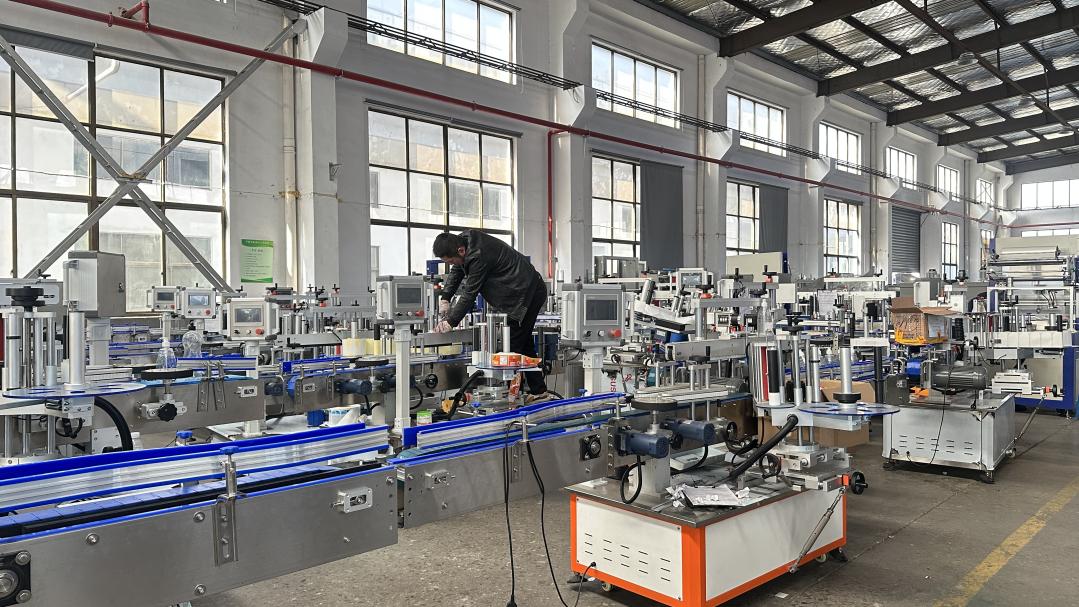
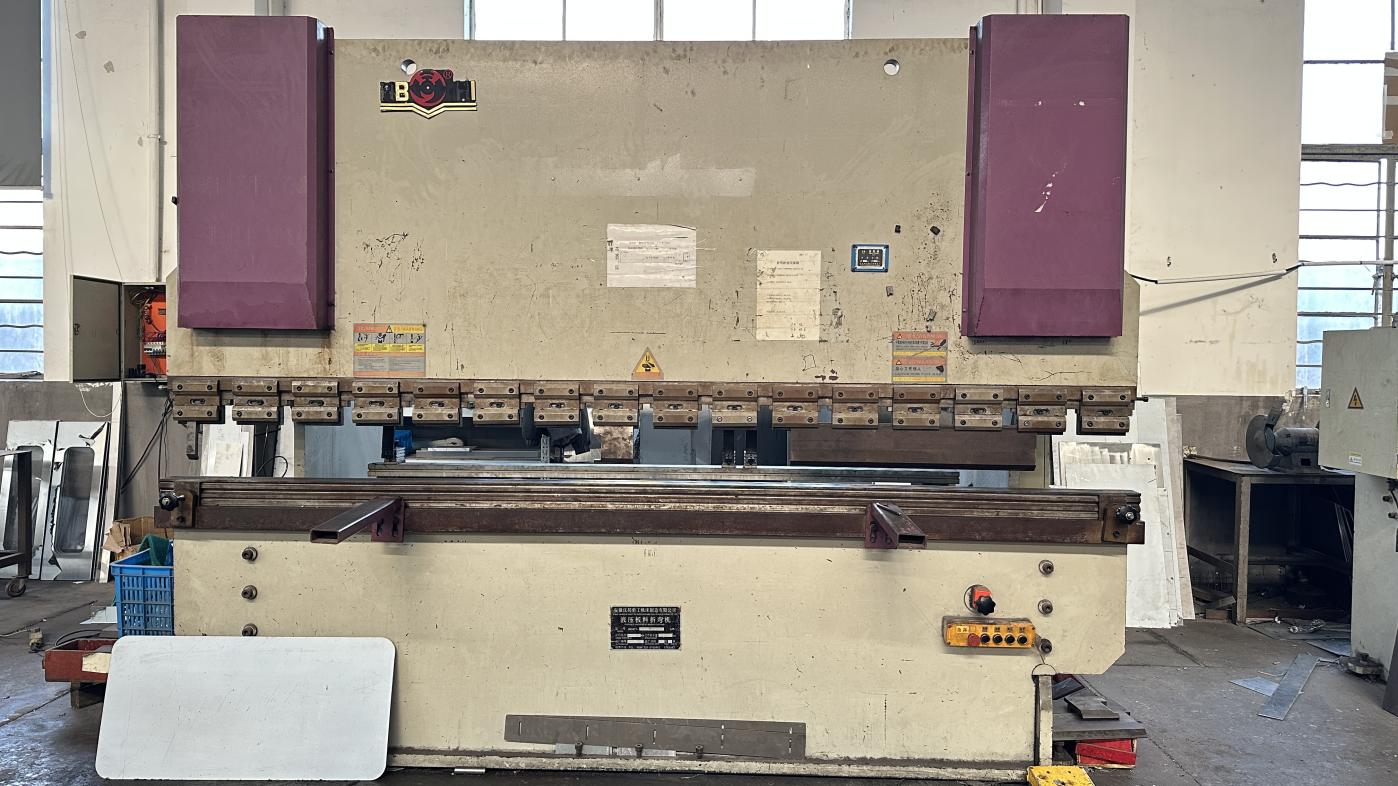
Behind the Scenes: Inside Shanghai Jinye Machinery's Precision Production Floor
Shanghai Jinye Machinery Co., Ltd. is a professional manufacturer specializing in the research, development, design, production, and service of advanced packaging machinery. Headquartered in Shanghai, China, the company has established a modern manufacturing base equipped with advanced processing facilities and strict quality management systems, enabling us to deliver reliable and efficient packaging solutions to customers worldwide.
Driven by continuous technological innovation, Shanghai Jinye Machinery integrates sales, research and development, mechanical design, precision manufacturing, electrical engineering, assembly, commissioning, quality inspection, and after-sales service into a complete one-stop operation. We continuously invest in advanced CNC machining centers, laser cutting equipment, precision bending machines, and modern manufacturing technologies to ensure high precision, stable performance, and excellent product quality.
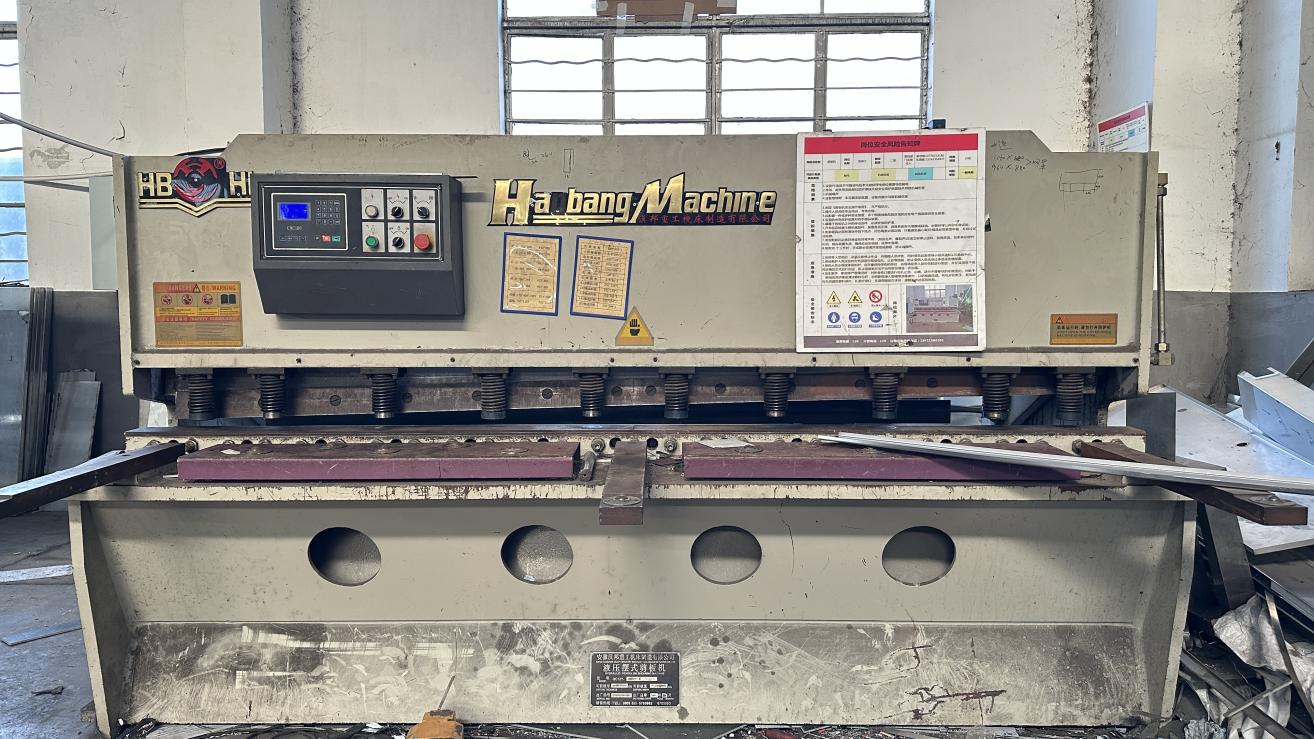
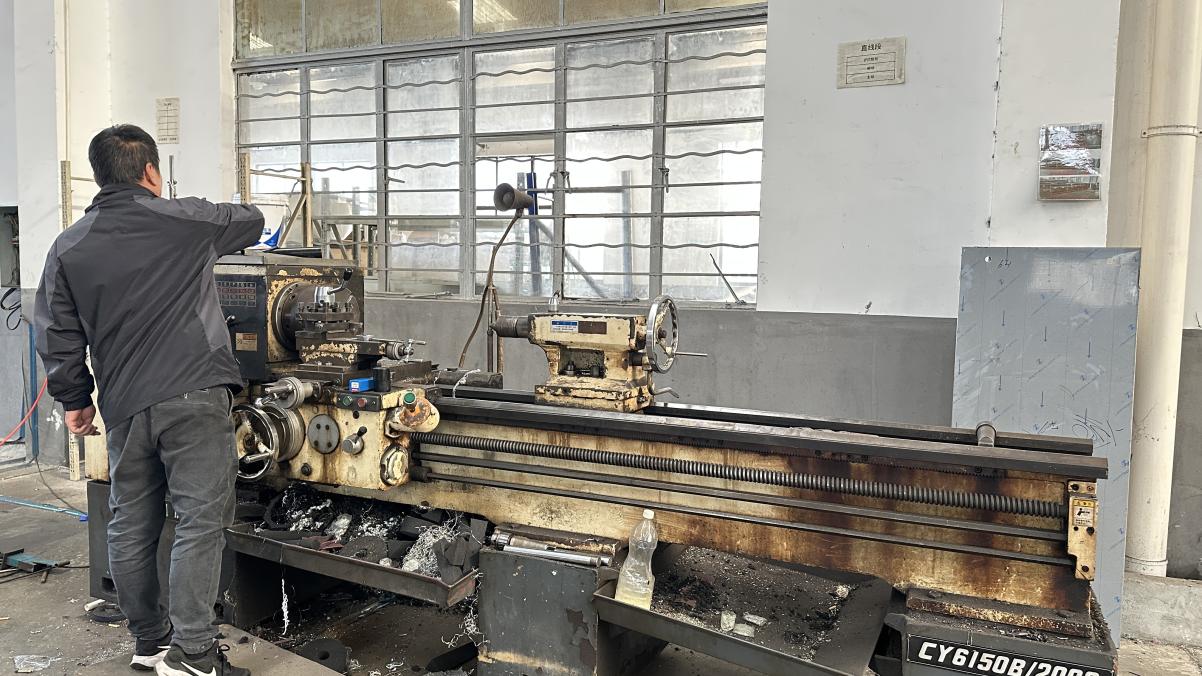
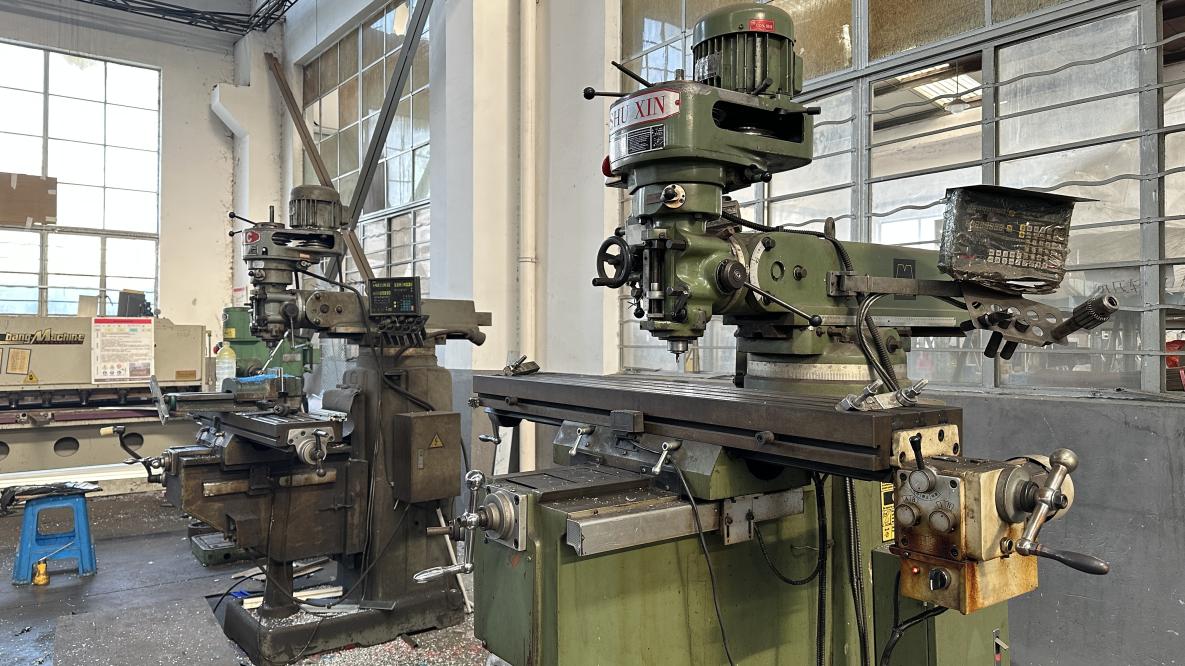
Discovering how various industrial domains deploy tailored packaging equipment to maximize productivity
No single packaging machine fits all industries. The physical properties of the items to be wrapped—weight, geometry, vulnerability to heat, and surface friction—dictate the configuration of the sealing, cutting, and shrinking systems. Here are the primary application fields where specialized shrink machines optimize operations:
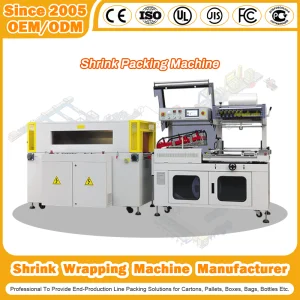
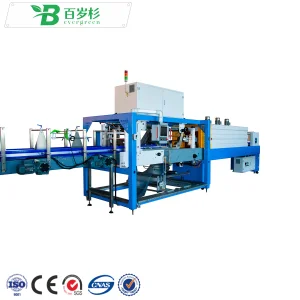
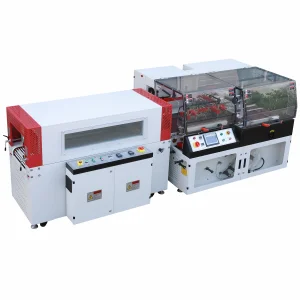
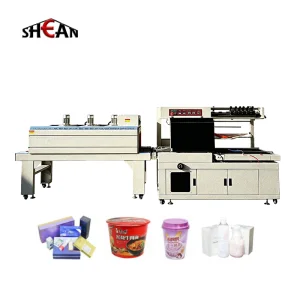
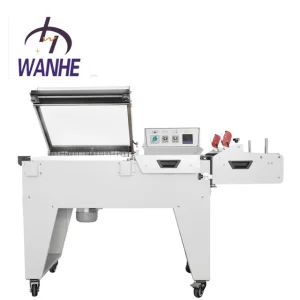
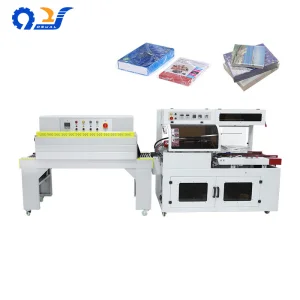
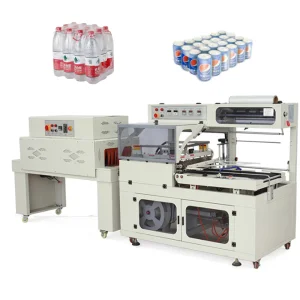
In food-grade environments, safety and sanitation are paramount. Utilizing food-grade polyolefin (POF) films, manufacturers wrap egg trays, biscuit boxes, instant noodles, and fresh produce. Machines like the WANHE Semi Automatic FM5540 are designed specifically for small-to-medium food producers, ensuring airtight seals that lock in freshness while maintaining compliance with international food contact standards. Continuous motion side-sealers prevent structural deformations on delicate items like bakery products by maintaining constant conveyor movement during film cutting.
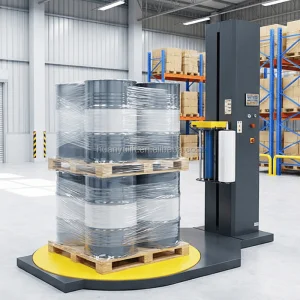
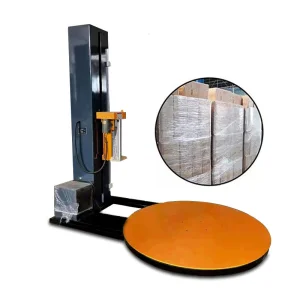
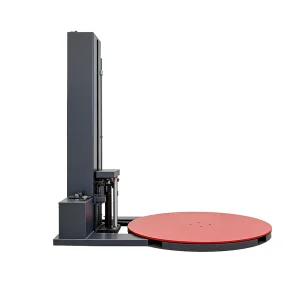
For heavy industrial transport, structural stability takes precedence. High-speed, heavy-duty machines wrap entire pallet loads of cartoned goods, bricks, or architectural components. Equipment such as the Pallet Wrapping Machine Full Auto High Speed is engineered to withstand harsh warehouse environments. These units feature pre-stretch carriage assemblies that stretch the film up to 250%-300% before application, dramatically reducing film consumption while reinforcing structural containment for transit.
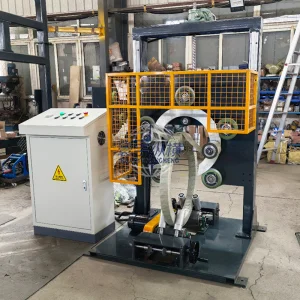
Long, cylindrical, or hollow products present unique challenges to traditional L-bar sealing configurations. For instance, wrapping automotive tires requires vertical-ring wrapping machinery that wraps stretch or shrink film through the center hole of the tire. Similarly, long rolls of carpets and rugs demand horizontal wrapping machines with wide sealing jaws that can trim and seal heavy-gauge protective PE sleeves without manual intervention. Shanghai Jinye designs these bespoke solutions to fit seamlessly into existing manufacturing lines, minimizing conveyor transfer gaps.
| Application Sector | Recommended Machine Type | Target Materials | Key Optimization Goal |
|---|---|---|---|
| Egg Trays & Bakeries | L-Bar Sealer & Shrink Tunnel (FM5540) | Polyolefin (POF) | Food safety, presentation, low temperature shrink |
| Logistical Pallets | High-Speed Pallet Wrapper | Linear Low-Density Polyethylene (LLDPE) | Load containment, material savings, weather protection |
| Tires & Metal Rings | Vertical Ring Wrapper | PE Film / Stretch Wrap | Dust protection, mechanical stabilization, easy handling |
| Automotive & Carpets | Horizontal Sleeve Sealer | Heavy-duty PE Film | Tear resistance, industrial seal thickness, moisture proofing |
Essential selection criteria for sourcing high-performance packaging machinery from Chinese manufacturers
For international procurement managers, purchasing packaging machinery from China involves evaluating factors beyond the initial price tag. The real value is measured in the Total Cost of Ownership (TCO) over the machine’s operational lifespan (typically 10 to 15 years). A smart buyer must focus on three core areas:
Ensure the machine uses standardized, locally accessible electrical and pneumatic components. By designing equipment with components from brands like Siemens, Omron, SMC, and Schneider, Shanghai Jinye guarantees that if an electrical contactor or pneumatic cylinder requires replacement, maintenance engineers can source the spare parts locally, reducing downtime.
Film cost is a recurring operating expense. A machine equipped with high-precision temperature controls, tension relief systems, and sharp cutting jaws allows your line to run thinner, more cost-effective films. If a machine can transition from a 15-micron film to a 12-micron film without sacrificing seal strength, the monthly savings on film consumption can offset the initial machinery cost within the first two years of operation.
A machine is only as good as the support team standing behind it. Shanghai Jinye offers comprehensive technical support, including video diagnostic systems, detailed engineering schematics, and rapid spare parts shipping. With installations in over 100 countries, our field engineers and remote technicians possess the expertise to troubleshoot programming issues or mechanical adjustments across different time zones.
Anticipating the technological paradigm shifts in secondary packaging for the next decade
The packaging machinery sector is entering a transformative phase driven by digitization and circular economy models. The push to minimize plastic waste is accelerating the adoption of biodegradable, compostable, and highly recyclable mono-material shrink films. However, these green alternative materials often have narrower heat sealing windows compared to standard polyolefins. To process these materials successfully, sealing machinery must feature precise thermal controls, rapid heating/cooling cycles, and automated diagnostic systems that adjust pressure and heat based on material variations.
At the same time, Industry 4.0 integration is changing how packaging lines are monitored. Modern shrink wrapping setups now feature IoT modules that upload performance metrics, cycle counts, and heating element temperatures to cloud platforms. This allows for predictive maintenance, alerting teams to worn cutting blades or failing heating elements before they cause unplanned downtime. Shanghai Jinye Machinery continues to integrate these digital features, developing machines that serve as intelligent hubs within fully connected smart factories.
Expert insights addressing key operational, technical, and maintenance queries in shrink packaging
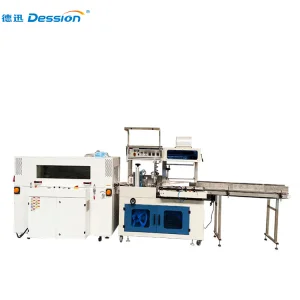
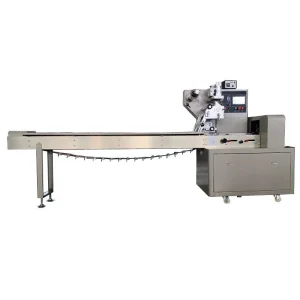
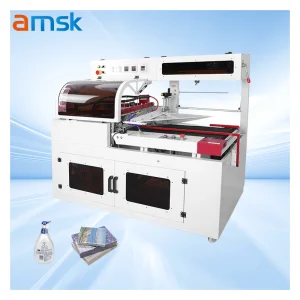
L-Bar sealers seal and cut the film on two sides simultaneously (width and length) in a single stroke, making them ideal for standard, moderate-speed batch packaging. Continuous side sealers, on the other hand, separate the side sealing mechanism from the cross sealing jaw. This design allows for wrapping products of virtually unlimited length at higher speeds, as the film moves continuously through the side sealer without stopping for every cut.
Our machinery features adaptable sealing jaws and precise temperature controls, making it compatible with Polyolefin (POF), Polyethylene (PE), and Polyvinyl Chloride (PVC) films. POF is commonly used for retail packaging, PE is preferred for heavy bundles and structural pallet wrapping, and PVC is typically selected for specific technical or promotional applications.
We construct our sealing and cutting blades from high-strength alloys coated with Teflon (DuPont). This coating prevents plastic residue from adhering to the hot blade, ensuring clean cuts. We also integrate protective controls in our PLC programs to prevent overheating, extend blade service life, and minimize smoke or fumes during operation.
Yes. Our packaging lines are designed for simple physical and digital integration. They feature adjustable conveyor heights, variable speed matching controls, and standardized communication ports, allowing them to receive signals from upstream filling or packing machinery and coordinate with downstream palletizers.
Safety is priority one. Our machinery includes emergency stop buttons, physical safety interlock switches on access doors, acrylic guard shields, and intelligent anti-pinch safety logic on sealing jaws. If the system detects a misplaced object or hand under the sealing head, the cycle instantly reverses, preventing damage or injury.
Robust Solutions for Logistics Pallets, Oversized Goods, and Complex Wrapping Configurations