Jinye Machinery Jinye Machinery

Custom OEM Shrink Sleeve Applicators Manufacturers & Supplier

Precision Engineering, Industry 4.0 Integration, and High-Speed Smart Packaging Systems for Global Brands.

100+

Countries Supplied

15+

Years Engineering R&D

24/7

Global Service & Support

100%

Custom OEM Solutions

The Evolution of Modern Shrink Sleeve Applicators & Global Market Dynamics

In the highly competitive landscape of consumer packaged goods (CPG), packaging aesthetics and functional integrity are paramount. Shrink sleeve applicators have emerged as a critical technology for premium 360-degree branding, tamper-evident neck banding, and structural multi-pack configurations. As a leading specialized manufacturer, Shanghai Jinye Machinery Co., Ltd. stands at the forefront of this industrial shift, providing high-precision, servo-driven packaging equipment designed to satisfy the rigors of modern production environments.

"Modern labeling technology has transitioned from basic adhesive stickers to complex, high-velocity heat shrink sleeve applicators. Today's manufacturing demand lies at the intersection of material optimization, speed-to-market, and intelligent sensory alignment."

Industry Trends: Intelligent Automation, Multi-Material Compatibility, and Sustainability

The global shrink sleeve packaging market is experiencing rapid disruption driven by three critical factors:

  • Eco-conscious Materials & Ultrathin Films: Global regulations require packaging systems to adapt to eco-friendly, thin-gauge films (such as recycled PETG, PLA, and OPS) down to 20-30 microns to minimize footprint while maximizing recyclability.
  • Smart Sensor & IoT Integration: Shrink sleeve applicators are no longer stand-alone physical machines; they are fully integrated IoT nodes capable of sending telemetry data directly to ERP systems to ensure optimal OEE (Overall Equipment Effectiveness).
  • Rotary vs. Linear Design Adaptations: Factories require modular designs that can switch between high-speed rotary configurations (up to 600-800 bottles per minute) and versatile linear formats for short runs.

Global Procurement Needs: What Strategic Buyers Look For

Procurement teams from multinational corporations require manufacturers that offer more than off-the-shelf equipment. Crucial components of modern sourcing evaluations include:

  • Precision Machined Cutting Assemblies: Minimizing downtime requires robust cutting plates and high-speed rotary cutter systems engineered with micro-adjustments for different label lengths.
  • Thermal Consistency & Shrink Tunnels: Heat distribution is vital. Quality results depend heavily on the steam configuration, zoning, and airflow velocity inside accompanying shrink tunnels.
  • E-E-A-T Verified Standards: Manufacturers must present audited facilities, documented component origins (such as Siemens PLC systems, Omron sensors, and SMC pneumatics), and comprehensive Factory Acceptance Test (FAT) guidelines.
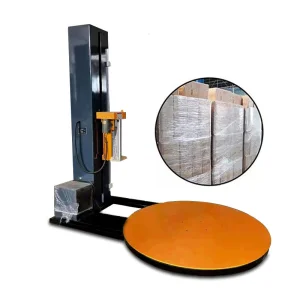
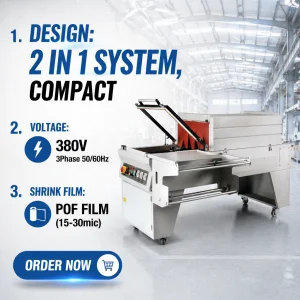
Engineering Advantages: OEM & ODM Capabilities

At Shanghai Jinye Machinery, we translate advanced mechanical engineering into field-tested reliability, delivering equipment customized to your factory's exact operational envelope.

Advanced R&D Design

We build tailor-made mechanical profiles using state-of-the-art solid modeling tools to match plant space constraints and integration requirements.

Factory 4.0 Controls

Featuring Siemens PLC control panels, intuitive touch screen interfaces, and high-speed optical registration marks for millimeter precision labeling.

Global Support Network

With equipment deployed in over 100 countries, we maintain responsive engineering diagnostics and fast-turnaround parts delivery pipelines.

China Factory 4.0: Supply Chain Resilience & Manufacturing Excellence

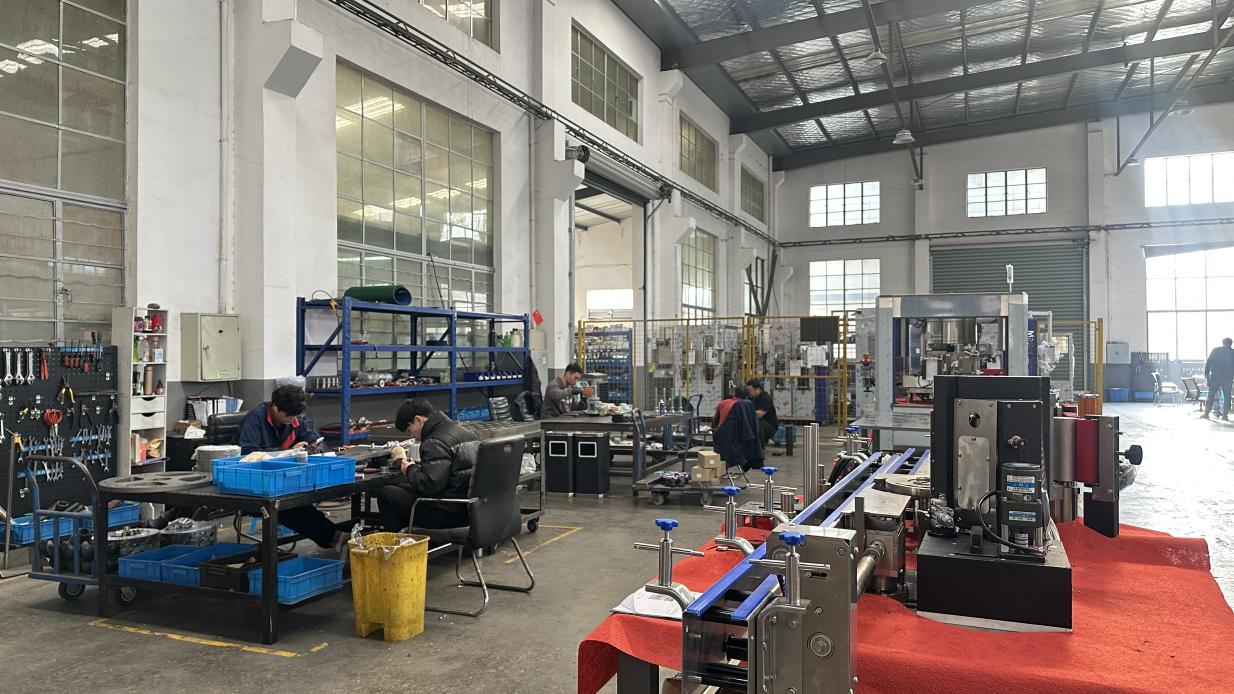
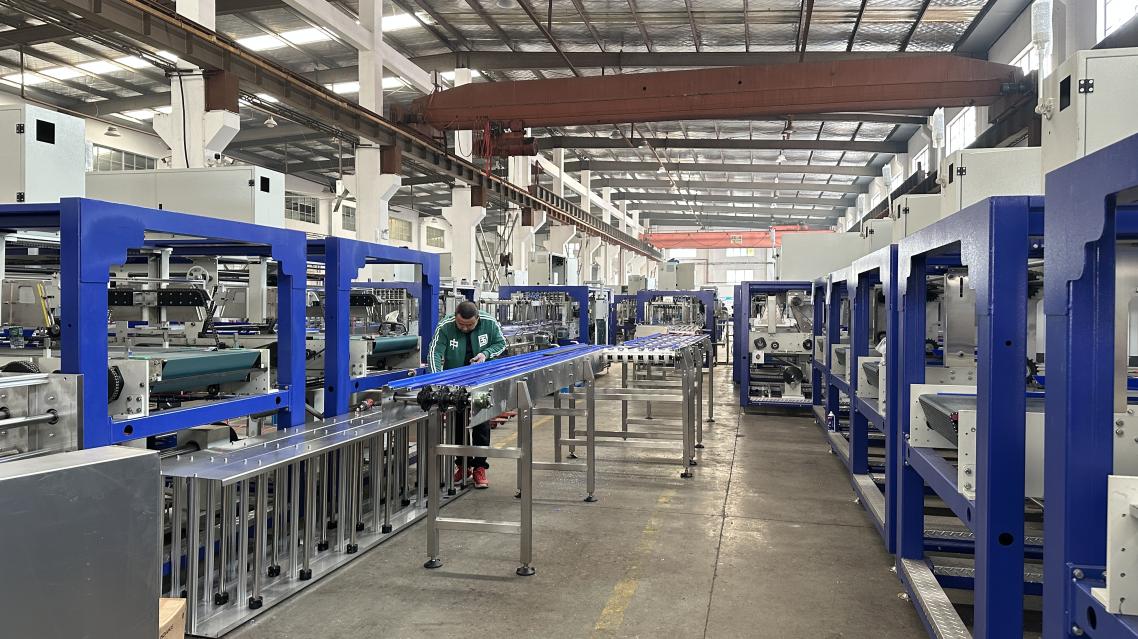
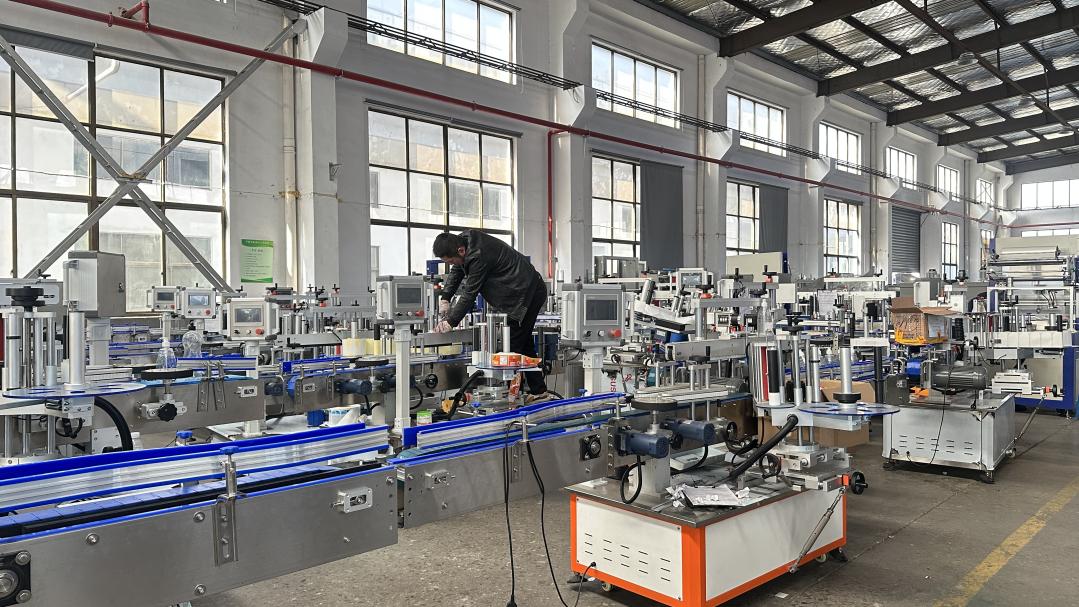
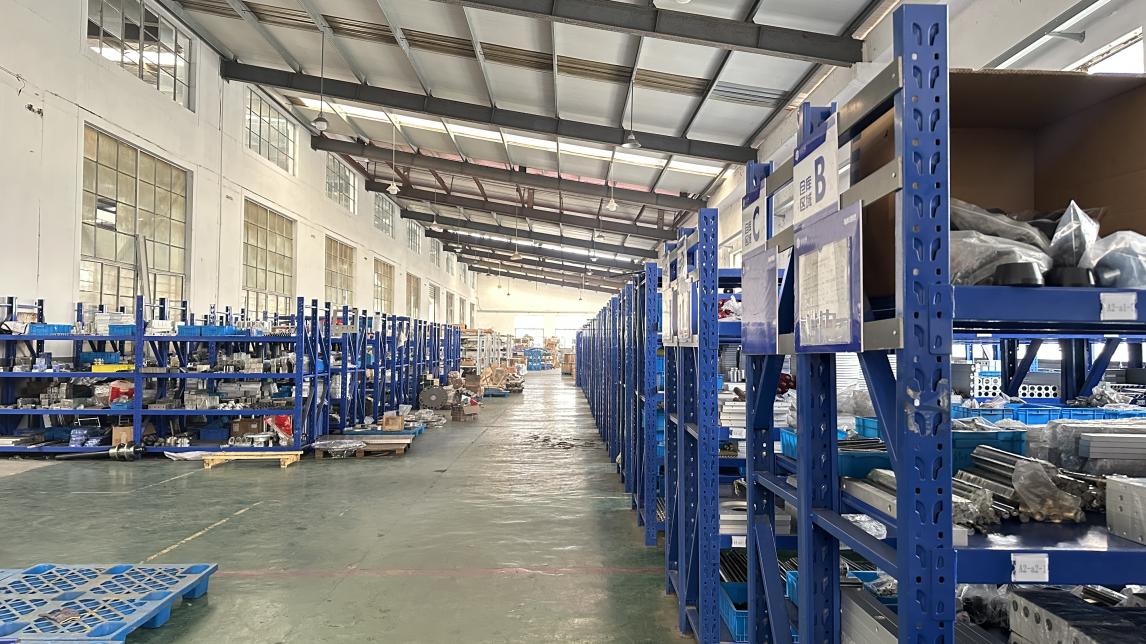
A manufacturing partnership is only as strong as the infrastructure supporting it. In our modern Shanghai facility, Shanghai Jinye Machinery Co., Ltd. integrates high-end industrial machinery, rigorous testing environments, and advanced supply chain management. This allows us to mitigate material delays, control tolerances to the micron, and pass these efficiency benefits directly to our clients.

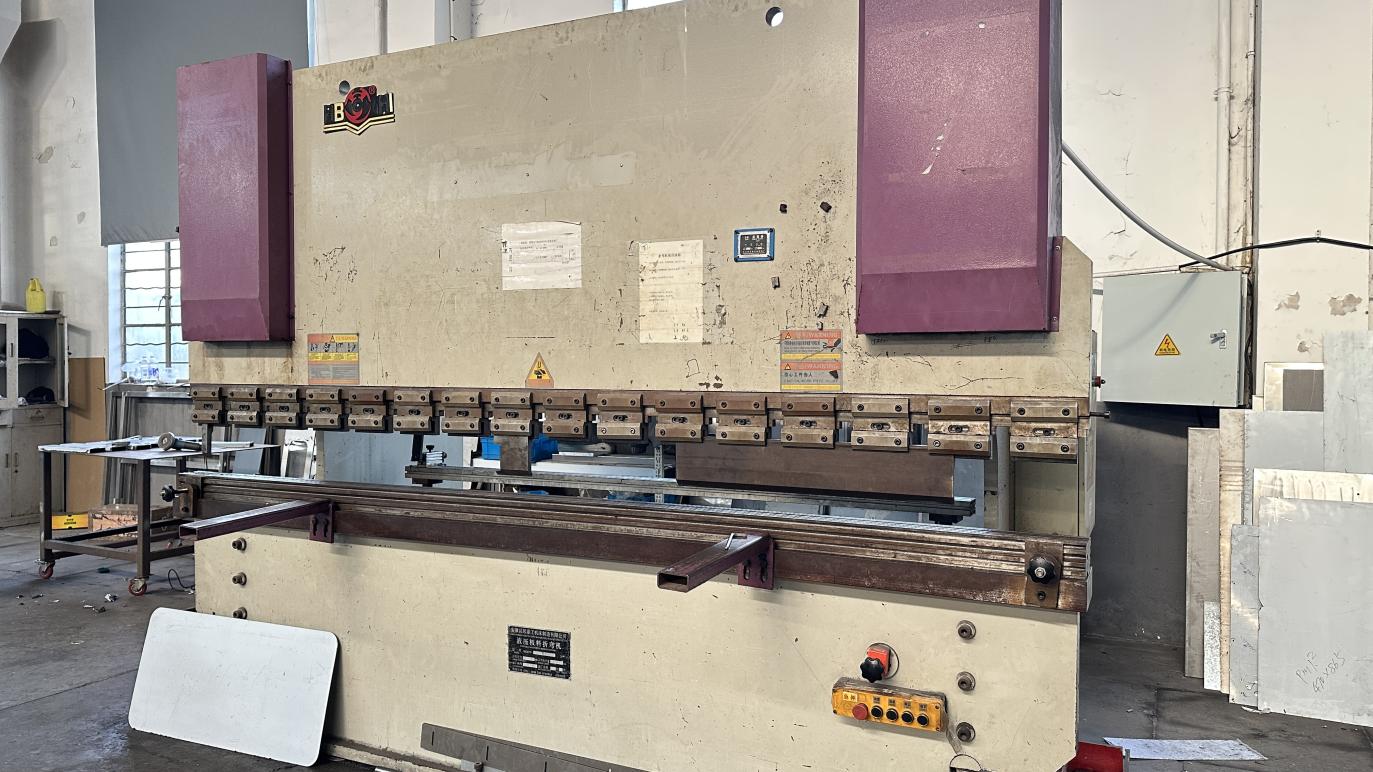
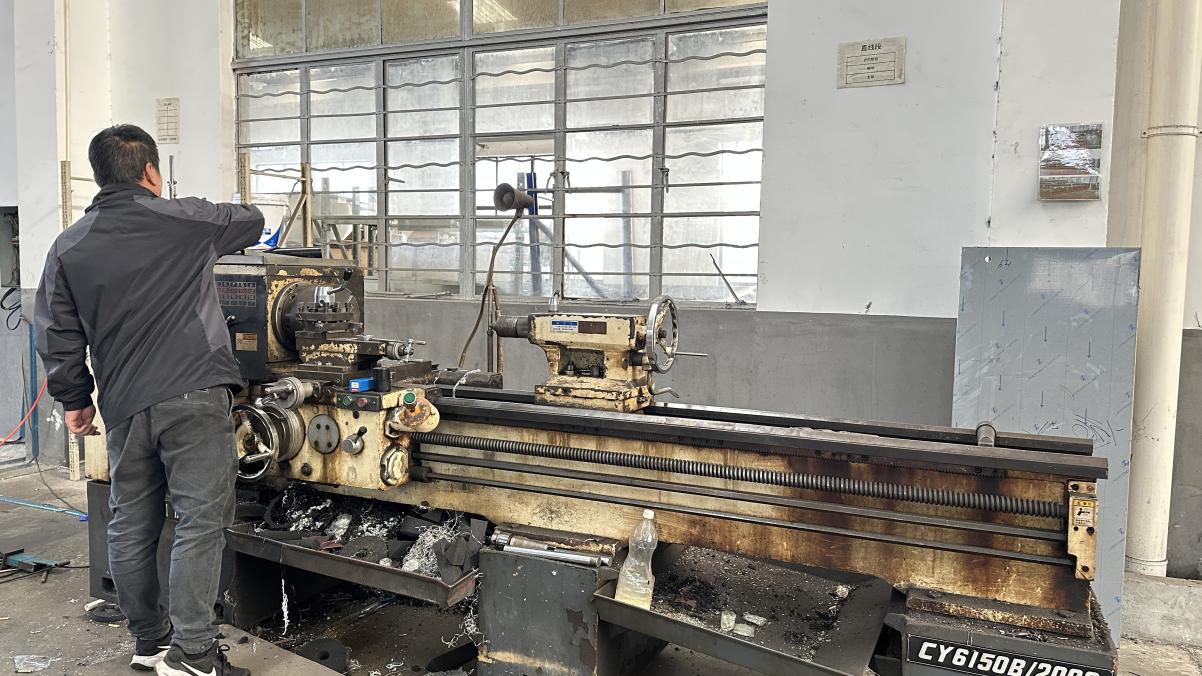
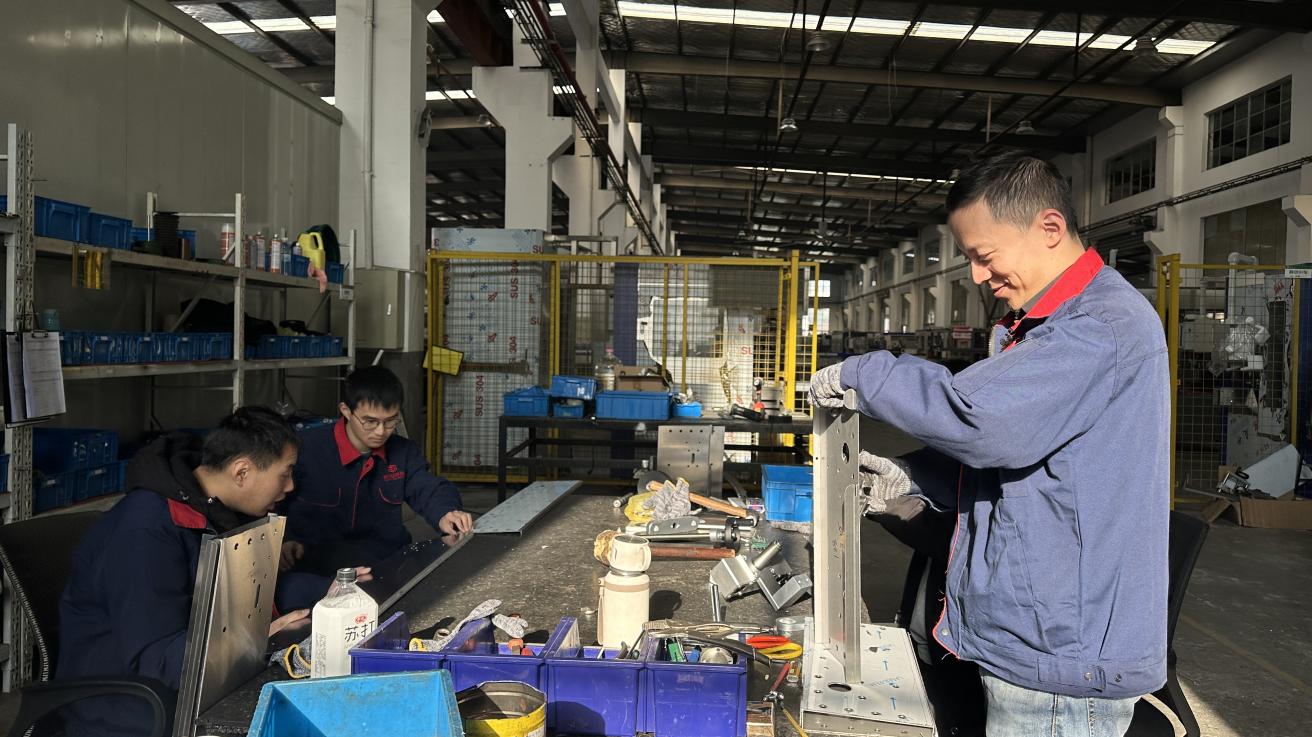
Our complete one-stop operations ensure that every stage of machinery production—from initial R&D and 3D simulation to metal shearing, precise bending, CNC lathe processing, and final electrical integration—happens under a single roof. This centralized control model allows us to implement stringent quality audits compliant with international directives, guaranteeing stable operations upon arrival at customer factories.

Inside Our Production Facility: Precision Processing Equipment

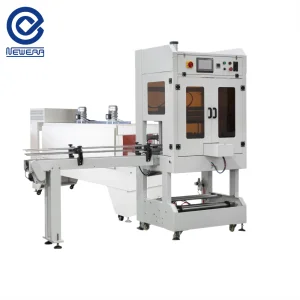
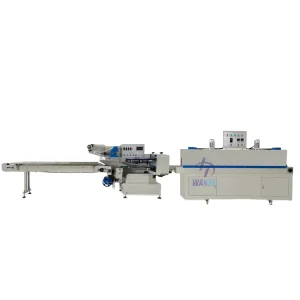
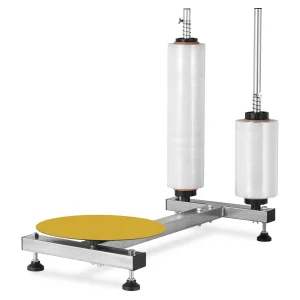
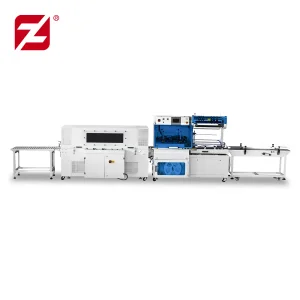
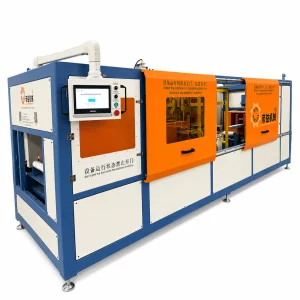
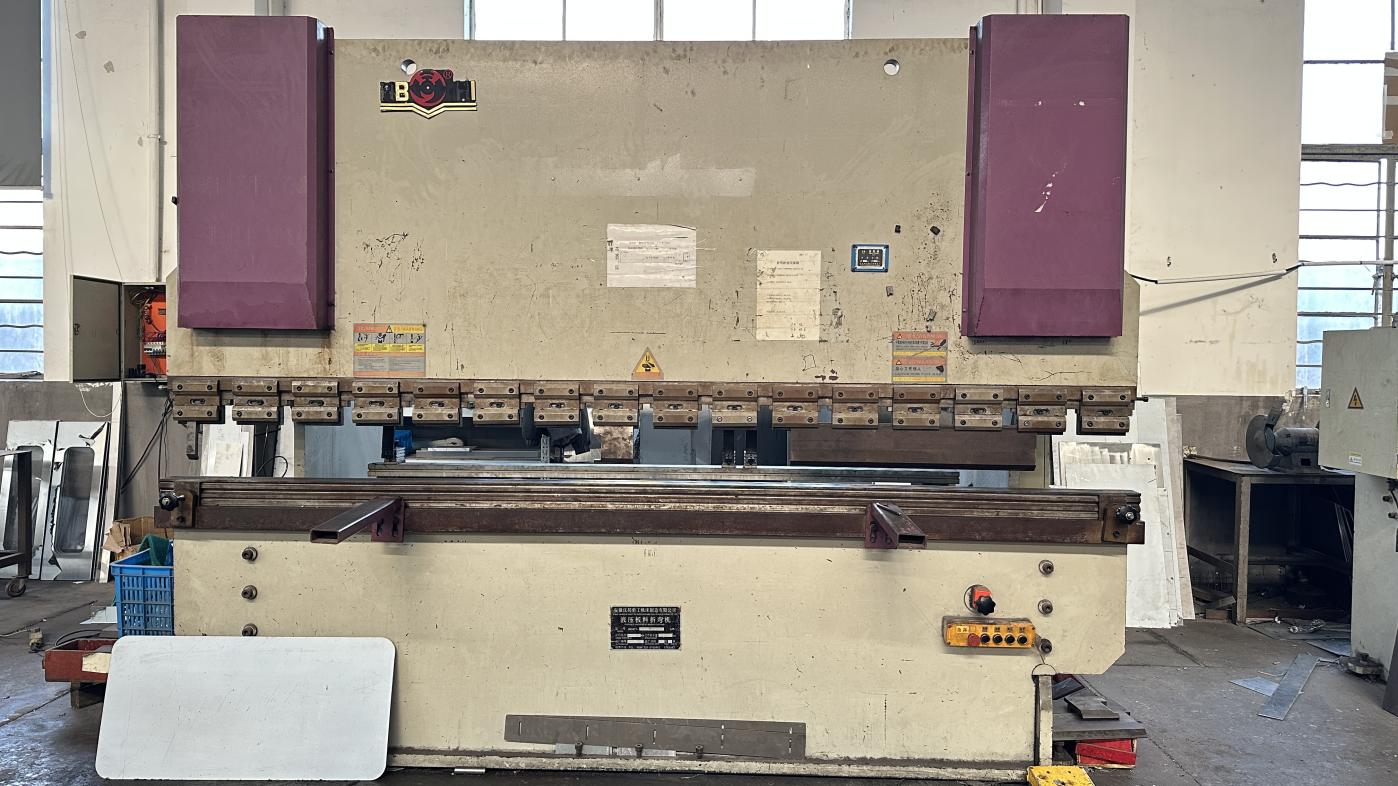
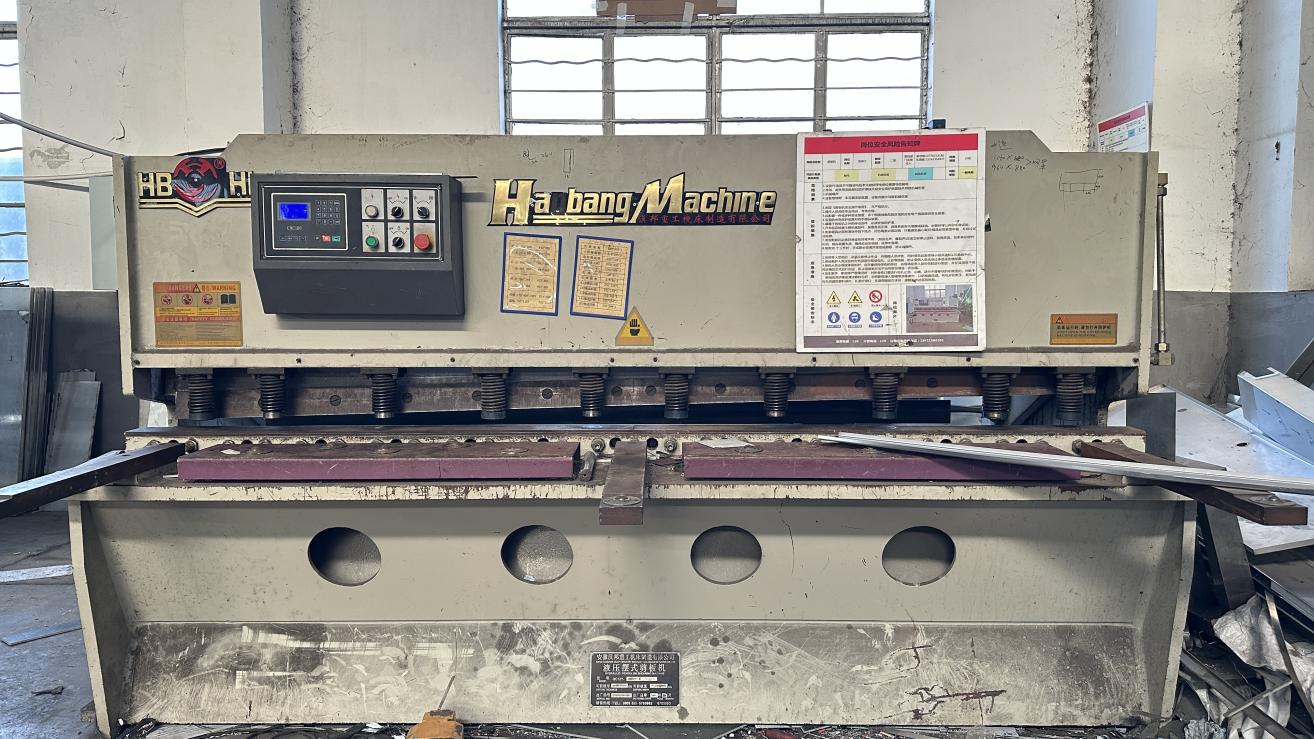
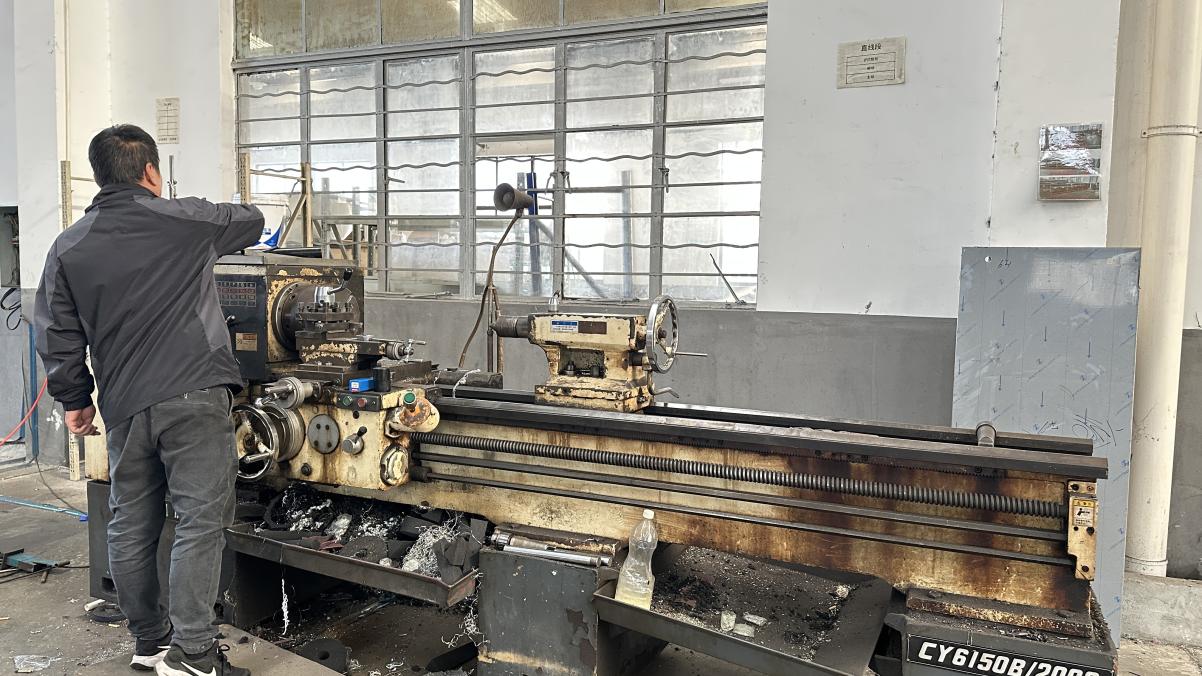
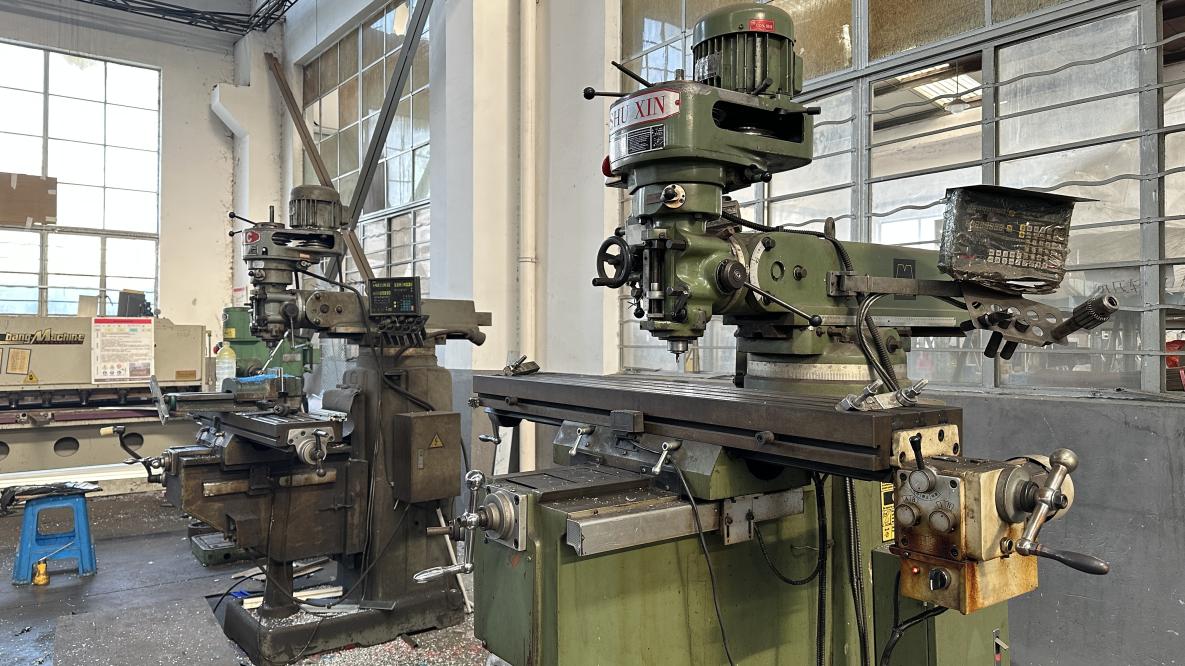
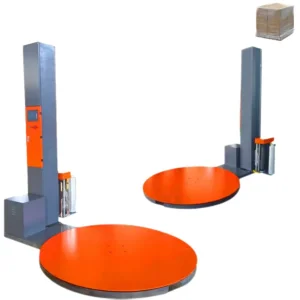
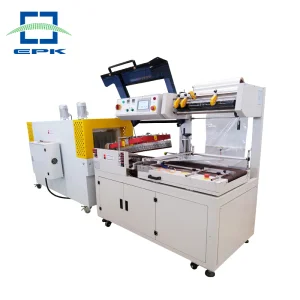
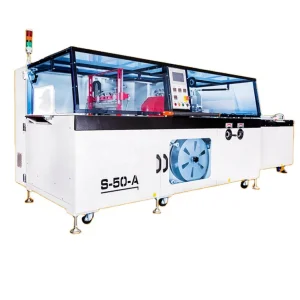
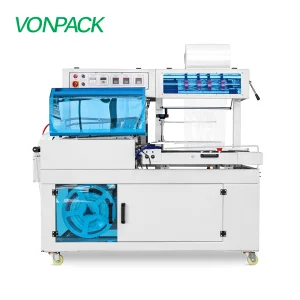
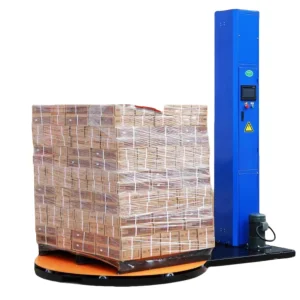
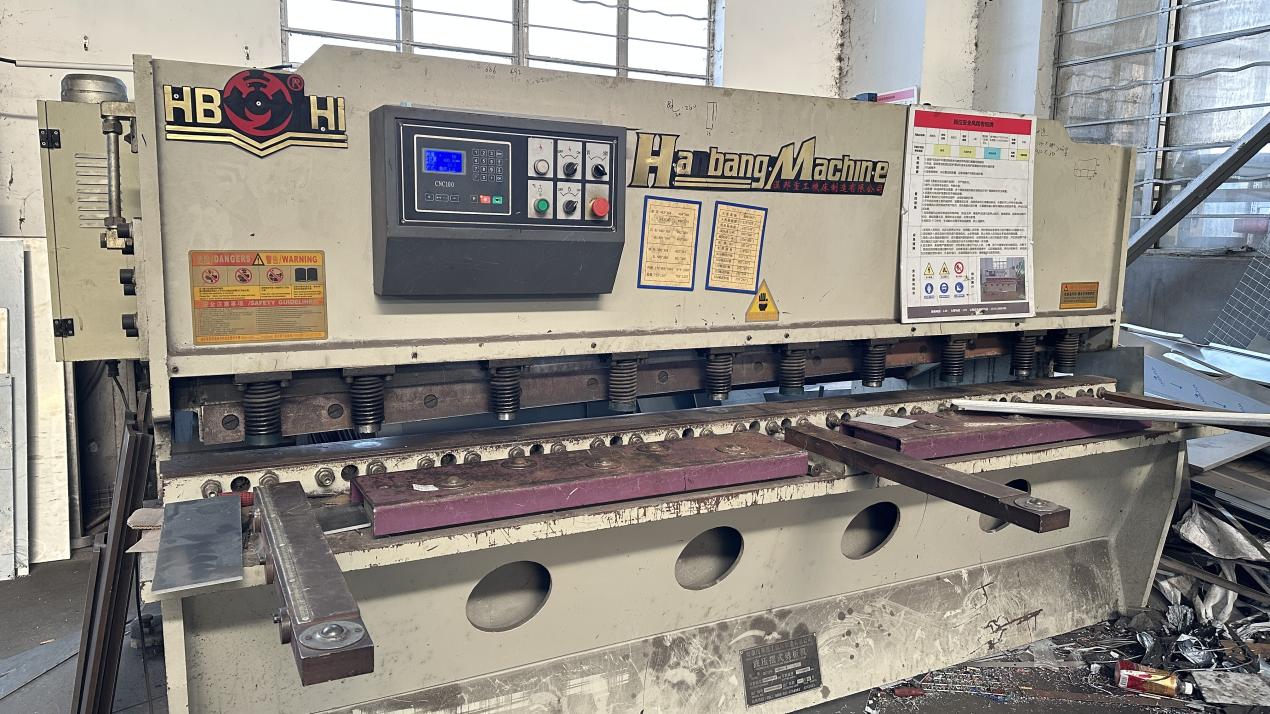
To realize complex design configurations, we utilize premium processing tools. Below are actual snapshots of the manufacturing processes and equipment used in our facility. These tools allow us to build custom configurations of hooding machines, sleeve wrapping systems, and fully automated pallet wrapping lines.

Materials Handling
Materials Inspection
Shearing
Precision Shearing
Bending
Accurate Bending
Machining
Heavy Machining
Assembly 1
Component Assembly
Assembly 2
Frame Integration
Assembly 3
Electrical Wiring
Assembly 4
Quality Calibration
Bending Machine
CNC Bending Machine
Shearing Machine
Heavy-Duty Shearing
Lathe
Precision Lathe Station
Milling Machine
High-Speed Milling

Target Application Scenarios & Engineering Adaptability

Our solutions adapt to the physical shape and label properties of products across diverse industries:

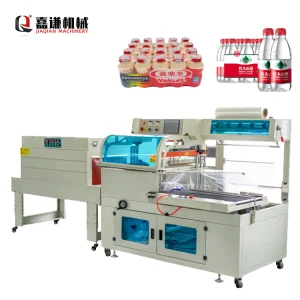
  • Beverage Industry: Labeling for contoured PET bottles, aluminum cans, glass bottles, and single-serve yogurt cups requiring high throughputs (water, juices, soft drinks).
  • Food & Dairy: Tamper-evident sealing over caps and neck rings of milk bottles, condiments jars, and baby food packaging.
  • Pharmaceutical & Medical: Small, high-precision neck banding for vials, drop bottles, and pills canisters to meet FDA-compliant tamper protection protocols.
  • Cosmetics & Personal Care: Body sleeves for premium shampoos, sprays, cosmetic bottles, and curved lotion tubes.
  • Industrial & Logistics: Integrating automated sleeve systems directly with pallet wrappers and case packers for unified logistics distribution lines.

Expert Knowledge Base & FAQ

Get professional answers from our engineering division about selecting, maintaining, and optimizing shrink sleeve machinery.

1. How do I calculate the proper shrink ratio for custom bottle shapes?
The shrink ratio is determined by measuring the largest diameter of the container versus the smallest diameter where the sleeve will be applied. Generally, PETG films offer a shrink percentage up to 78%, while PVC provides up to 60%. Calculating this formula correctly prevents wrinkling, label distortion, and smiles (curved bottom labels). Our design engineers help compute this using CAD drawings of your bottles.
2. What are the core differences between steam tunnels and electric heat tunnels?
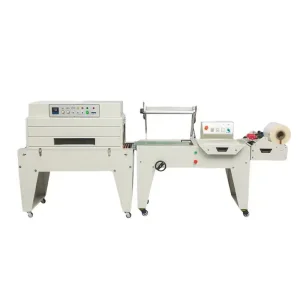
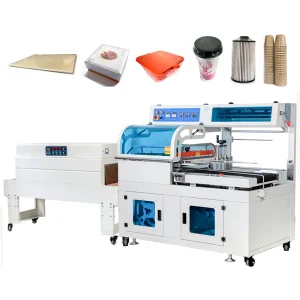
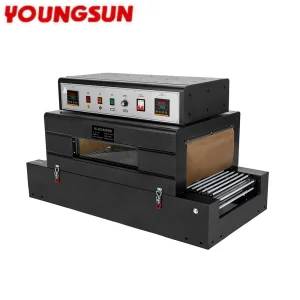
Steam tunnels are superior for contoured bottles because they distribute heat evenly, resulting in a smooth finish with fewer wrinkles. They are ideal for high-speed beverage production. Electric heat tunnels are less expensive to set up and do not require a separate steam boiler, making them excellent for dry environments, carton box shrink-packaging, and linear conveyor systems.
3. Can a single shrink sleeve applicator run different film materials (e.g., PETG, PVC, PLA)?
Yes, our modern custom sleeve applicators feature programmable PLC recipe settings that allow operator adjustment of feed rates, cutting speeds, and tunnel temperatures. The main changes will be in the heat profile of the shrink tunnel, as each material responds to different thermal activation points.
4. How does Shanghai Jinye Machinery guarantee the cutting accuracy of labels?
Our systems utilize fiber-optic eye sensors (such as Sick or Omron) that detect the registration marks on the sleeve web with microsecond response times. This triggers the servo-driven cutter to slice the film at tolerances within ±0.5 mm, ensuring clean cuts even at operational speeds exceeding 400 pieces per minute.
5. What preventative maintenance protocols are required for high-speed applicators?
Preventative maintenance requires daily cleaning of the cutting knives to remove static film dust, weekly checks on the tensioning belts, and monthly calibration of the PLC feed sensors. Blade replacement cycles vary depending on the film thickness, but our tungsten carbide blades typically yield 15-20 million clean cuts before needing replacement.
6. What is the average lead time for custom OEM manufacturing?
Standard OEM production ranges from 45 to 60 days. This includes CAD structural design, precision machining, parts assembly, and a continuous 72-hour test run in our Shanghai facility using your sample containers and films to guarantee immediate production readiness.
7. Are your packaging systems compatible with existing upstream and downstream lines?
Absolutely. Our control modules use open-architecture industrial communication protocols (Modbus, Profinet, or Ethernet/IP) to link directly with your existing filling lines, capping machines, accumulation tables, and downstream pallet wrapping systems.
8. How do you handle static electricity issues during film feeding?
Static electricity can cause thin films to cling to feed rollers, resulting in jams. To combat this, we install integrated static-elimination bars (ionizers) along the web pathway. This neutralizes surface charge and ensures consistent, high-speed feeding.
9. What certification protocols do your packaging machines conform to?
All Shanghai Jinye packaging equipment conforms strictly to CE certification directives. For North American deployments, we supply control panels using UL-listed components and safety mechanisms adhering to OSHA industrial standards.
10. Do you provide localized technician dispatch for installation and training?
Yes, our engineers provide complete on-site installation, commissioning, and staff training. We also offer detailed digital manuals, video operating procedures, and 24/7 remote diagnostics support to keep your operations running continuously.