Jinye Machinery
Jinye Machinery
Jinye Machinery
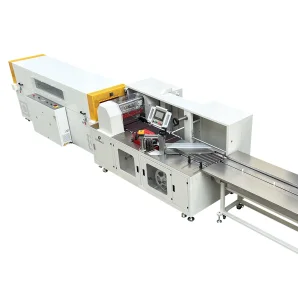
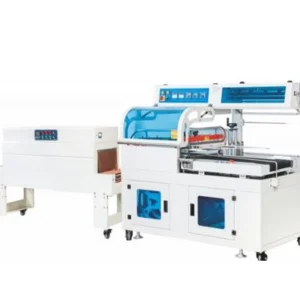
Explore our first tier of automated packaging machinery designed to elevate line efficiency, secure palletized loads, and deliver precision thermal shrink and stretch applications.
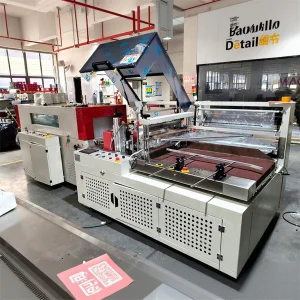
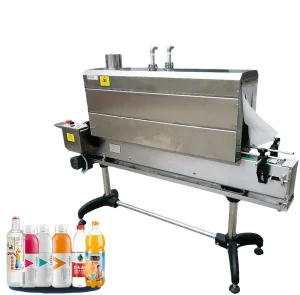
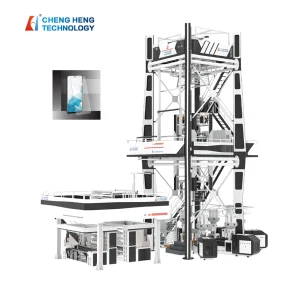
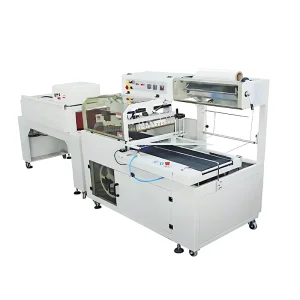
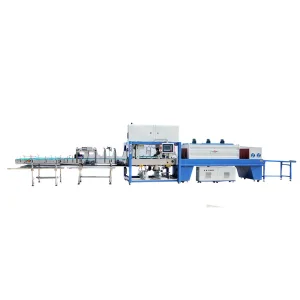
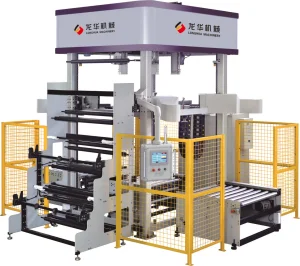
In the modern manufacturing landscape, secondary and tertiary packaging are no longer viewed merely as protective enclosures. They are strategic assets directly linked to operational cost mitigation, transport security, and environmental sustainability. Selecting a world-class flexible packaging equipment supplier requires an in-depth understanding of control mechanics, material science, and automation integration.
Traditional rigid secondary packaging is increasingly being replaced by flexible alternatives like polyolefin (POF), polyethylene (PE), and stretch hood films. This migration is driven by the demand for reduced package weight, lower carbon footprint, and improved moisture protection. The integration of 5-layer co-extrusion technology enables thinner films to possess higher puncture resistance and superior elasticity, presenting massive cost-saving potentials when paired with correct-fit machinery.
High-efficiency wrapping requires mechanical systems that adapt dynamically to varying film properties. Servo-driven wrappers, such as continuous motion sealing machinery, precisely regulate tension, preventing thin film distortion. When sourcing machinery, procurement officers must ensure that the sealing bars, thermal tunnels, and mechanical claws are calibrated to handle multi-structure polymers without compromising speed or yield rates.
Thermal processing stands as one of the primary energy sinks in automated packaging lines. Modern steam shrink tunnels and optimized electric recirculation chambers address this concern. By introducing segmented zone heat profiles and highly localized vapor flow, steam tunnels allow for precision label shrinking with a fraction of the thermal energy required by older, non-insulated electric ovens. This is critical for high-volume beverage bottle labeling lines where consistency is non-negotiable.
The global labor shortage has accelerated the adoption of fully integrated, unmanned packing lines. End-of-line configurations now require seamless handshake protocols (e.g., Profinet, EtherNet/IP) linking slitting, wrapping, and stretch hood machines directly to warehouse management systems (WMS). Our engineering philosophy focuses on bridging the gap between standalone machinery and synchronized, smart systems.
The global flexible packaging machinery industry has undergone a monumental shift. China is no longer merely a manufacturing hub; it has evolved into a center of engineering innovation, rapid prototyping, and vertical supply chain integration.
From raw metallurgy to advanced CNC machining centers and PLC programmers, Chinese packaging machine clusters facilitate rapid component sourcing and rigorous assembly-line testing.
Leading factories utilize international componentry (Siemens, Schneider, Omron, Festo) ensuring global interoperability, simplified local spares provisioning, and high reliability.
Western engineering houses often carry 9-month lead times. Chinese manufacturers scale assembly teams quickly to ship complex custom-tailored inline wrapping systems within 45 to 90 days.
No single packaging layout serves every industry. The mechanical parameters of shrink and stretch hood machines must be customized to address product vulnerabilities, throughput goals, and transit environments.
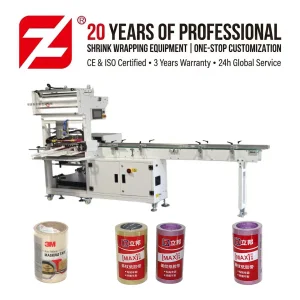
Beverage canning and bottling lines operate at massive volumes, often processing 1,000+ units per minute. In these spaces, continuous motion sleeve wrappers are deployed. These machines wrapping cans in PE film bypass the cyclic start-stop shocks of traditional pneumatics. They reduce plastic material usage while ensuring bundle rigidity and carrying handle strength.
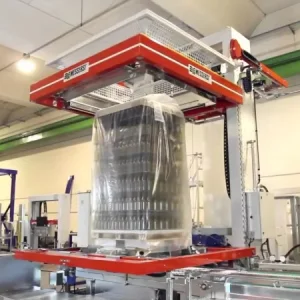
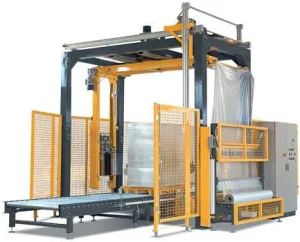
Palletized dry mortars, chemical resins, and glass containers require absolute protection from the elements. Cold stretch hood machines represent the pinnacle of transport packaging for these products. By stretching a continuous tubular film over the entire pallet load, it creates a fully weather-tight, dustproof, and five-sided enclosure that maintains structural integrity even during rough maritime transport.
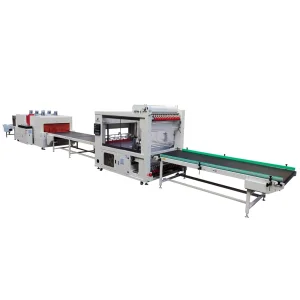
Standard vertical wrappers are physically incapable of wrapping long, continuous structural profiles. Horizontal spiral or orbital stretch and shrink wrapping machines solve this problem. These systems pass long goods (aluminum profiles, door frames, timber boards) horizontally through a rotating ring, packaging the items uniformly without sagging or alignment loss.
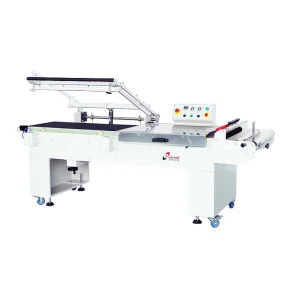
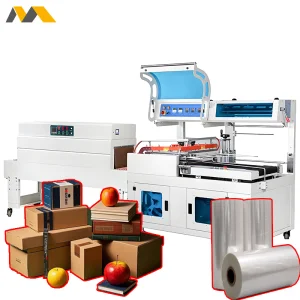
E-commerce operations process thousands of disparate box dimensions daily. Semiautomatic L-bar sealers and high-speed automatic 4-side sealers utilize optical sensors to scan random package dimensions, cutting and sealing film to size on-the-fly. This minimizes excess film waste and prevents bottlenecking in delivery warehouses.
Shanghai Jinye Machinery Co., Ltd. is a professional manufacturer specializing in the research, development, design, production, and service of advanced packaging machinery. Headquartered in Shanghai, China, the company has established a modern manufacturing base equipped with advanced processing facilities and strict quality management systems, enabling us to deliver reliable and efficient packaging solutions to customers worldwide.
Founded with a commitment to innovation and customer satisfaction, Shanghai Jinye Machinery has accumulated extensive experience in the packaging machinery industry. Our main products include hooding machines, shrink wrapping machines, sleeve wrapping machines, automatic packaging lines, pallet packaging systems, and other customized packaging equipment. Our solutions are widely applied in the beverage, food, dairy, pharmaceutical, chemical, personal care, household products, logistics, and industrial manufacturing sectors.
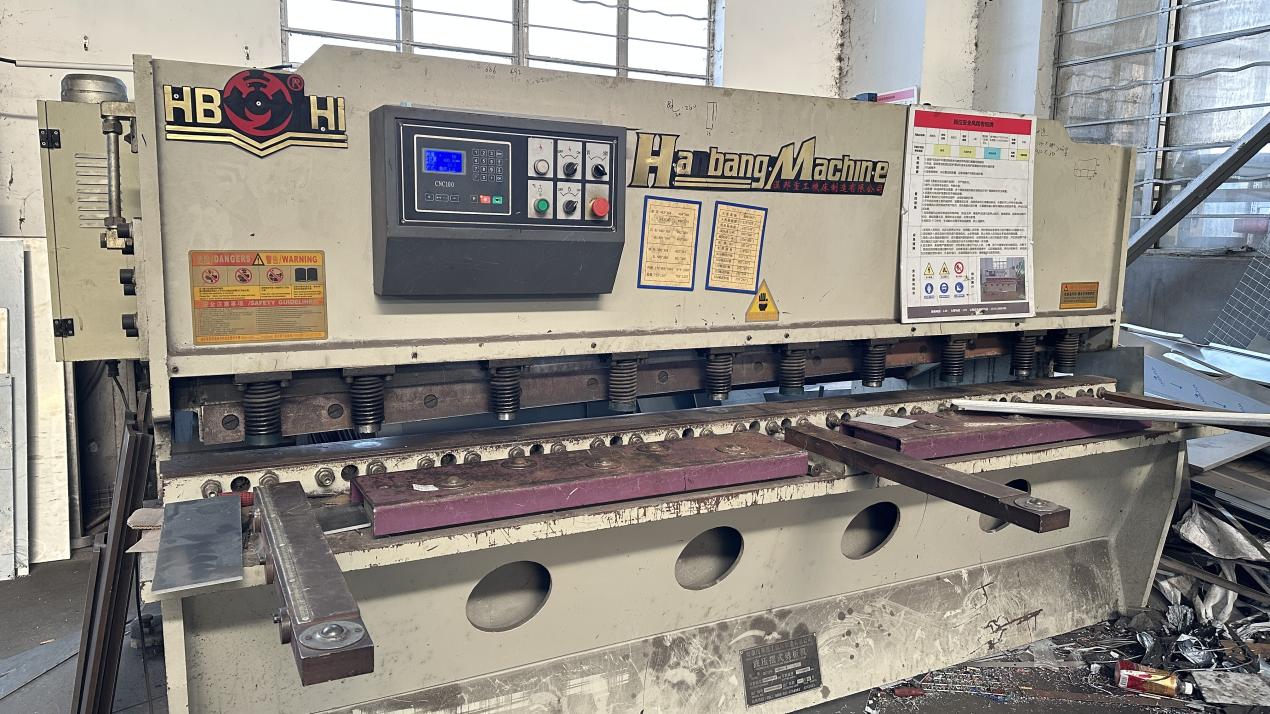
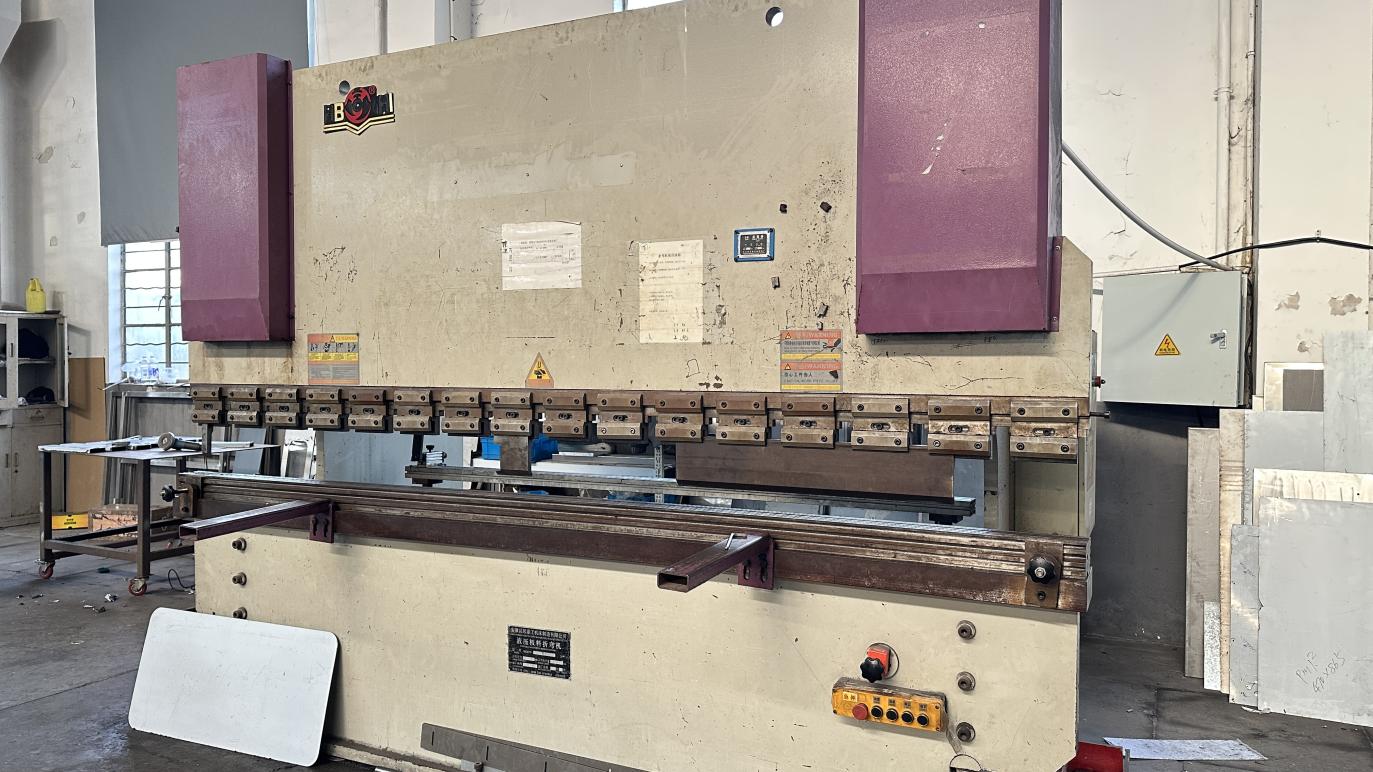
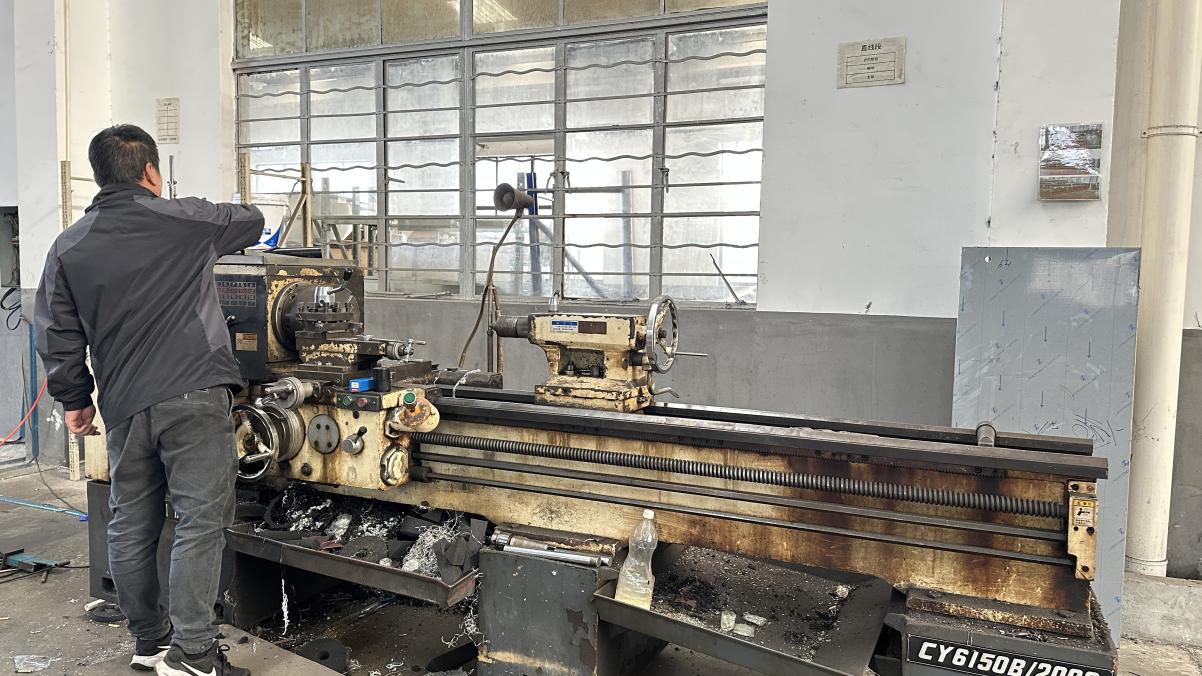
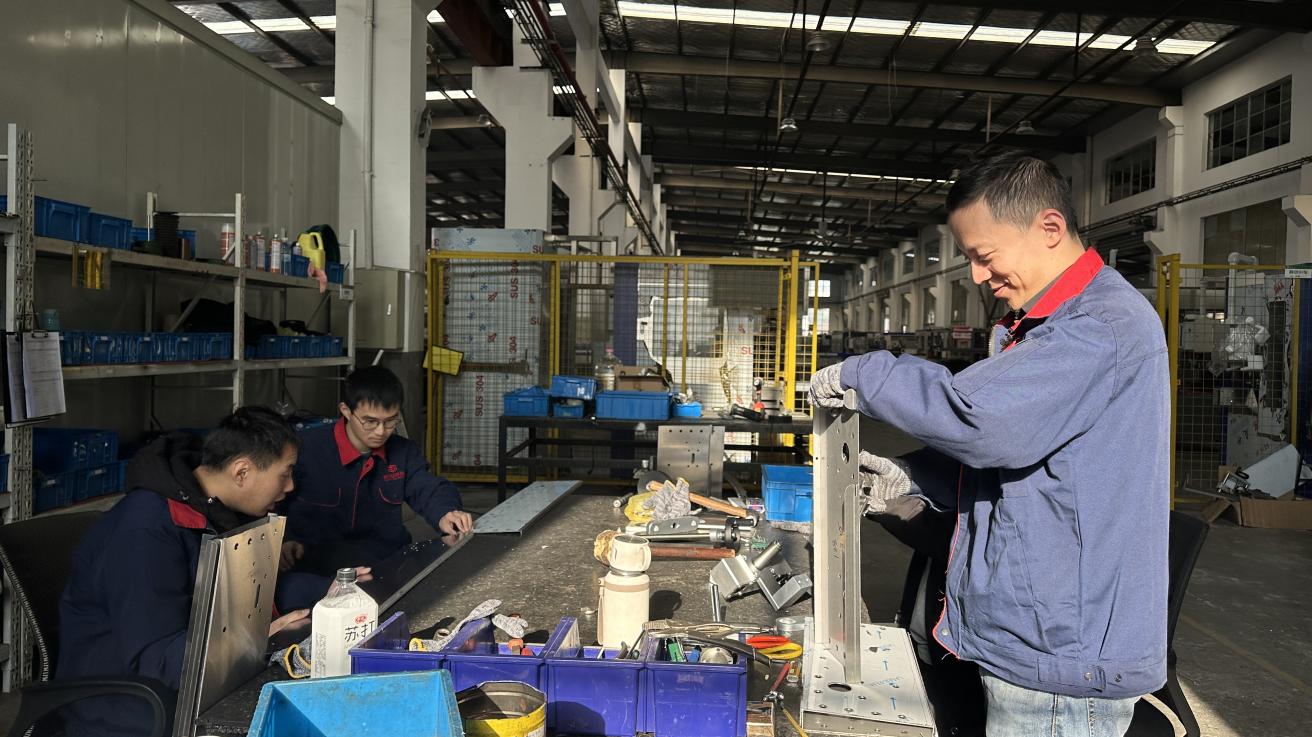
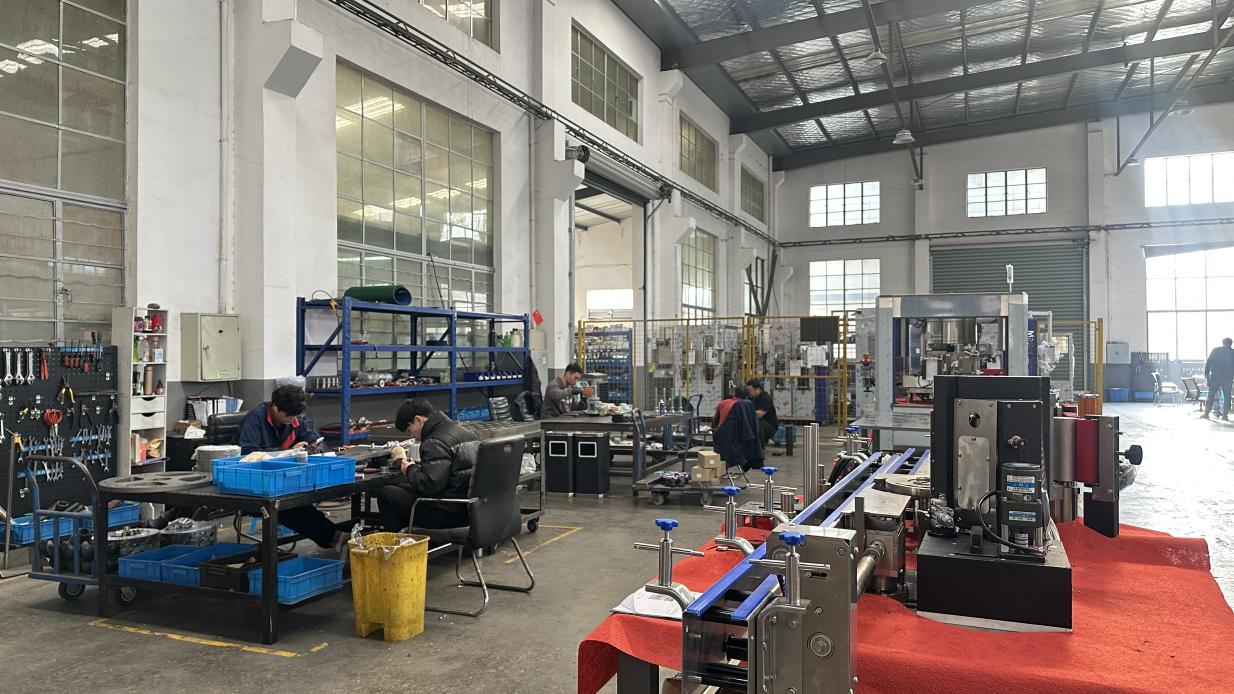
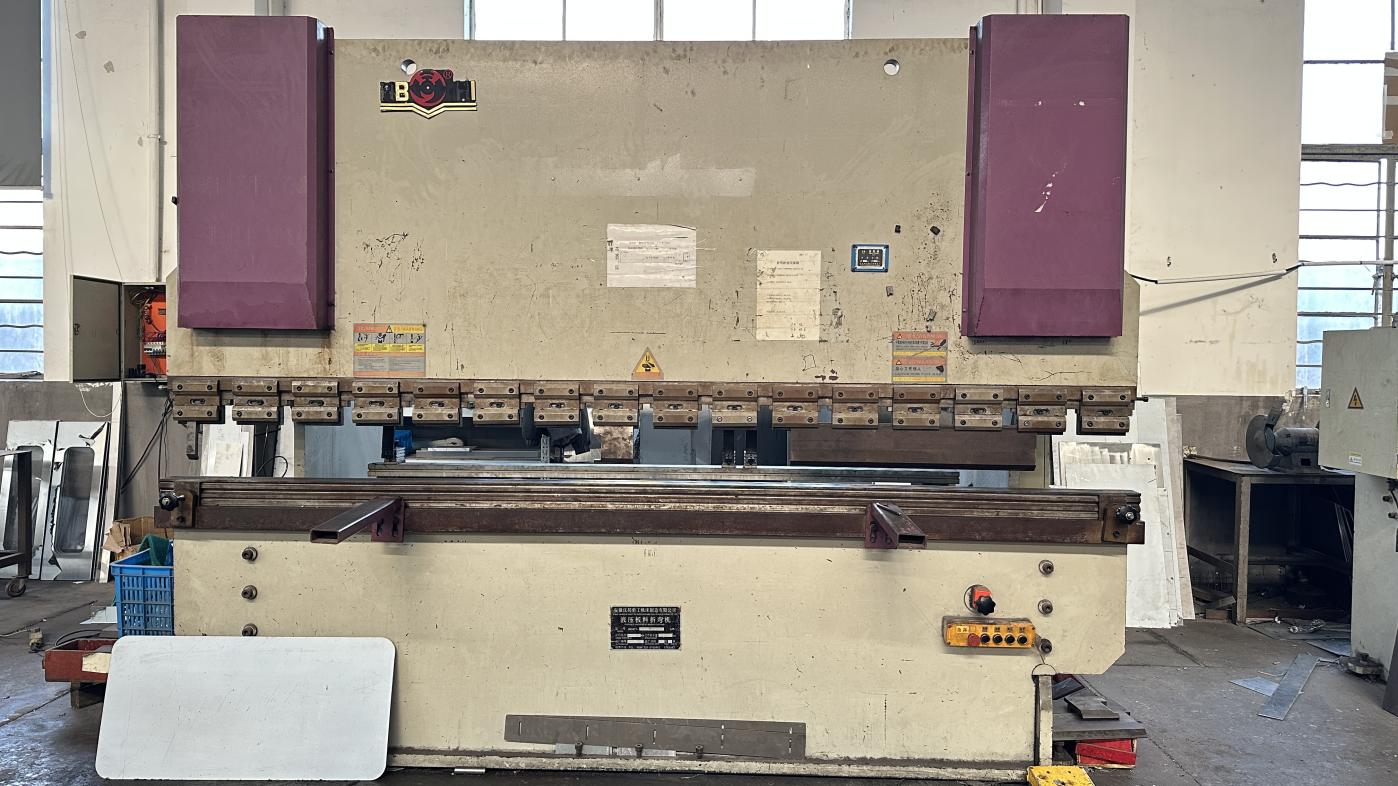
Driven by continuous technological innovation, Shanghai Jinye Machinery integrates sales, research and development, mechanical design, precision manufacturing, electrical engineering, assembly, commissioning, quality inspection, and after-sales service into a complete one-stop operation. We continuously invest in advanced CNC machining centers, laser cutting equipment, precision bending machines, and modern manufacturing technologies to ensure high precision, stable performance, and excellent product quality.
Quality is at the core of everything we do. Our manufacturing process is carried out under a comprehensive quality management system, and our equipment is designed and manufactured in compliance with international standards. We are committed to providing safe, efficient, energy-saving, and intelligent packaging solutions that help customers improve production efficiency, reduce labor costs, and enhance packaging quality.
Understanding that every production line has unique requirements, Shanghai Jinye Machinery offers customized engineering solutions tailored to customers' production capacity, factory layout, packaging specifications, and automation needs. We also provide professional OEM and ODM manufacturing services for international partners and well-known brands.
With reliable product quality, competitive pricing, prompt delivery, and comprehensive technical support, Shanghai Jinye Machinery has established long-term partnerships with customers in more than 100 countries and regions across Asia, Europe, North America, South America, the Middle East, and Africa. Our experienced after-sales service team provides installation guidance, technical training, maintenance support, and rapid response to ensure the stable operation of customers' equipment.
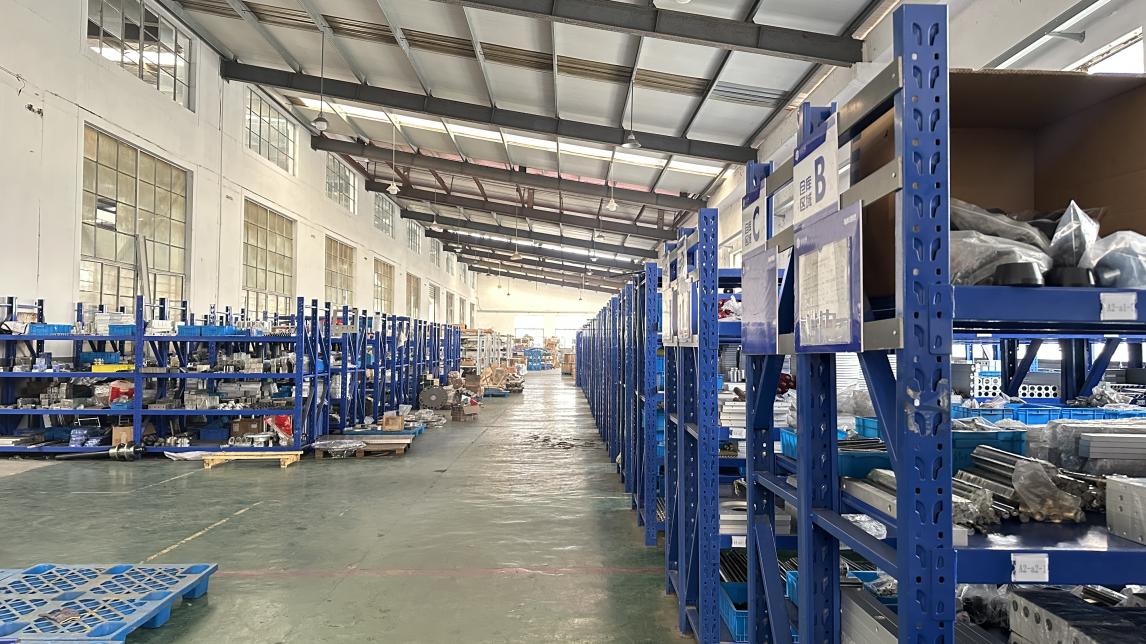
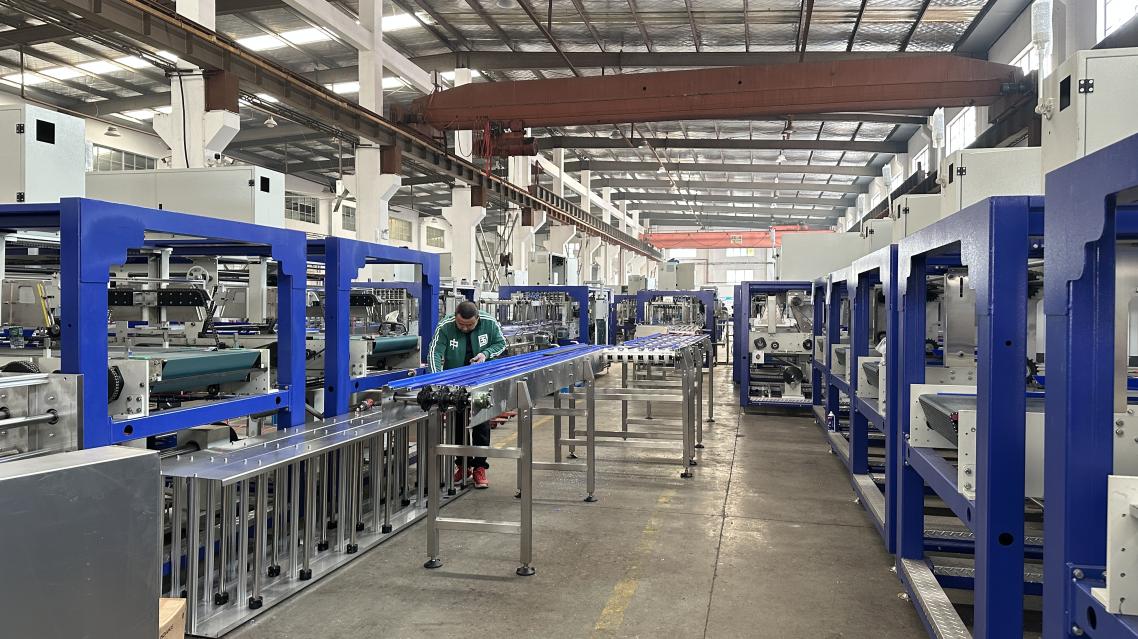
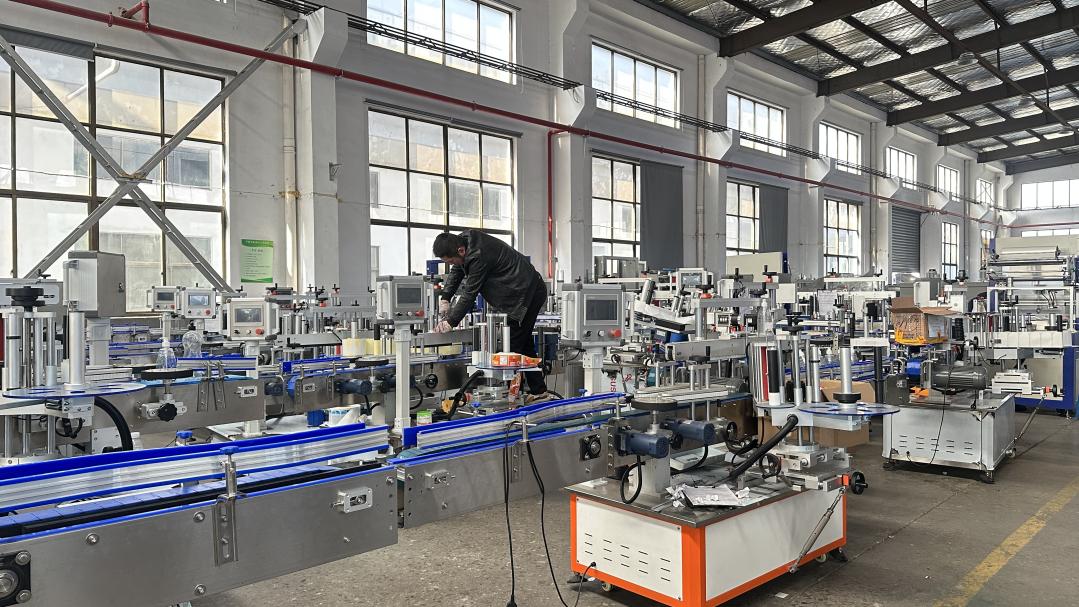
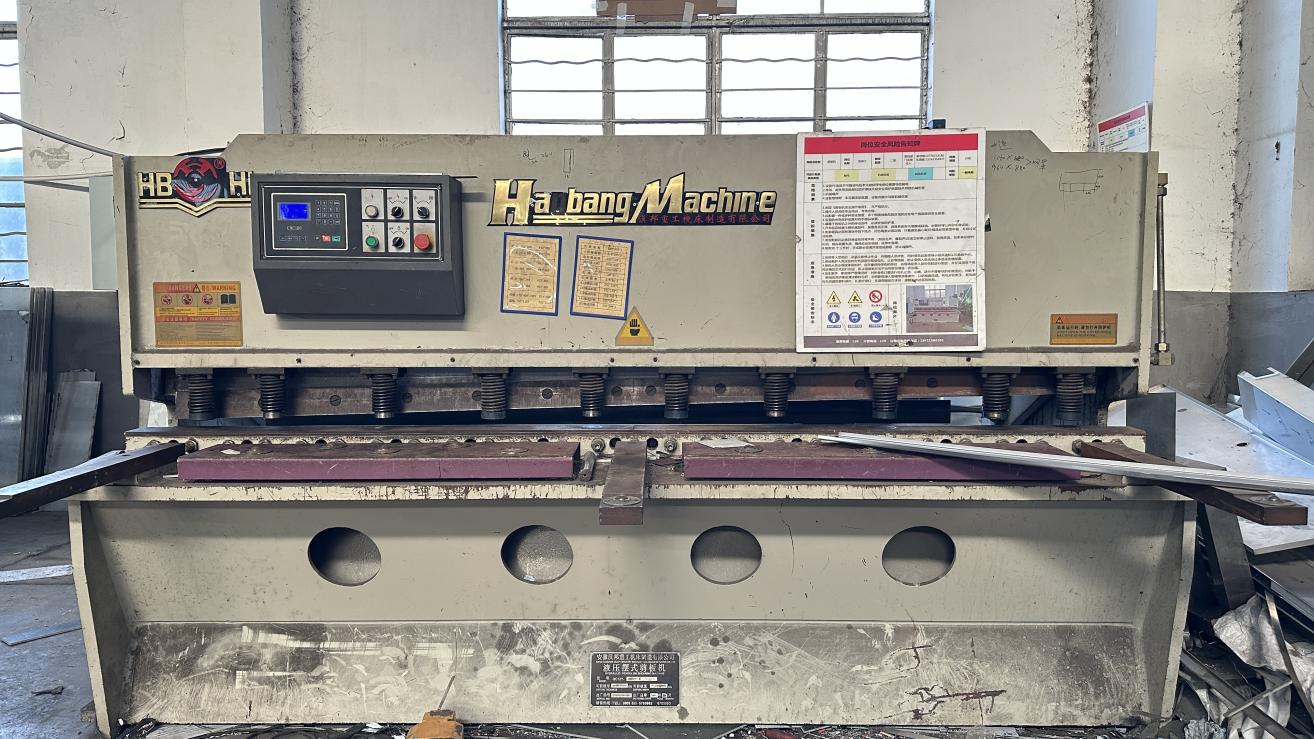
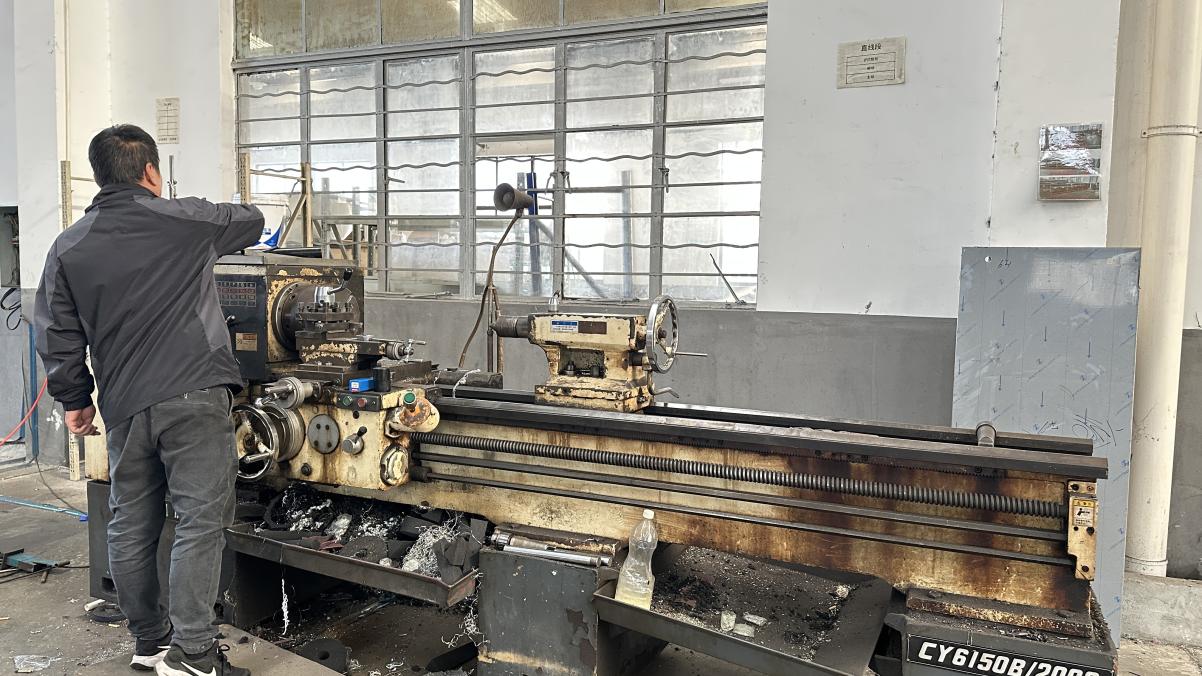
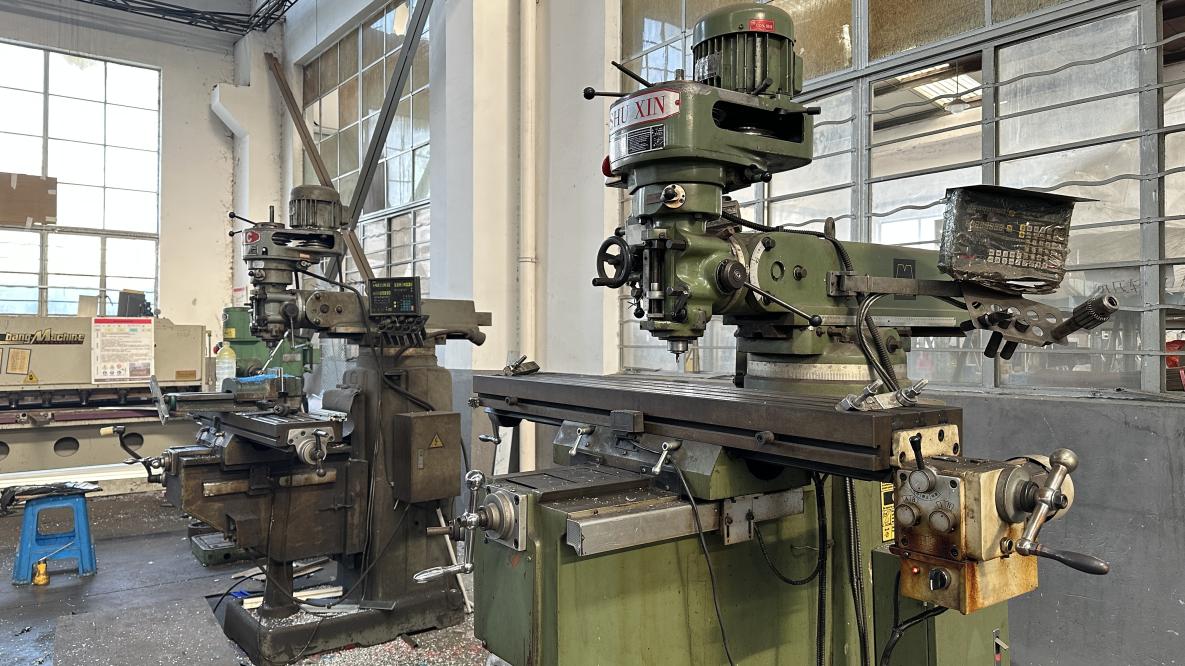
We believe in transparent manufacturing. Below is a look inside Shanghai Jinye Machinery's production facility, displaying the machinery and precision operations that guarantee the longevity of our flexible packaging systems.
Procurement directors and packaging engineers must align their machinery specifications with regulatory, commercial, and technical trends reshaping the global supply chain.
As chemical plants and global container standards grow stricter, avoiding thermal application around highly flammable raw materials is a vital safety protocol. Stretch hooding relies entirely on the mechanical memory of the film tube, eliminating the fire hazard of heat shrink tunnels and lowering the plant's overall carbon footprint and electrical expenditure.
Worldwide single-use plastic mandates demand systems that run next-generation bio-films. These films have different melting ranges and stretch coefficients. Modern machinery integrates real-time pressure transducers and localized heating plates to handle delicate PLA or PCR (Post-Consumer Recycled) films without tearing.
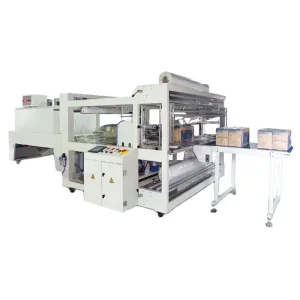
Discover the remainder of our robust catalog, designed for heavy industrial palletizing, bespoke horizontal runs, and high-precision unmanned wrapping applications.
Clear, expert-level information to address common technical challenges, logistical operations, and machine-procurement steps.