Jinye Machinery
Jinye Machinery
Jinye Machinery
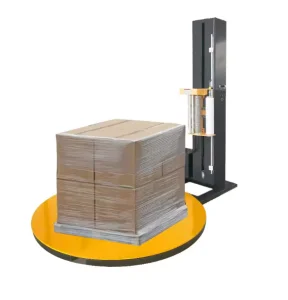
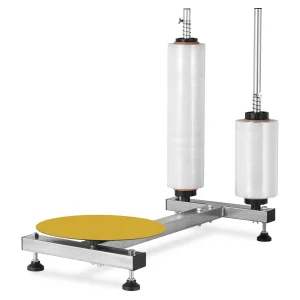
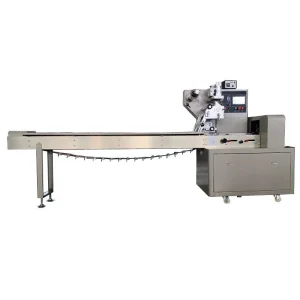
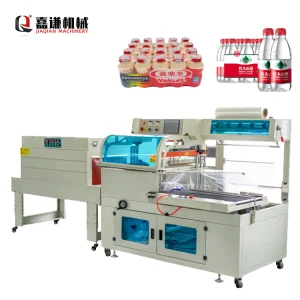
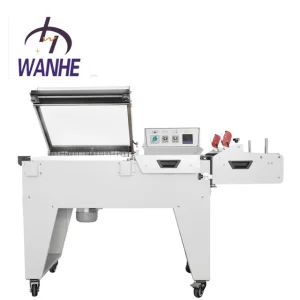
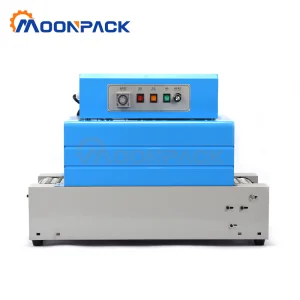
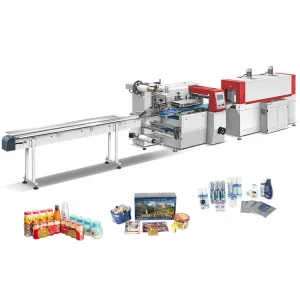
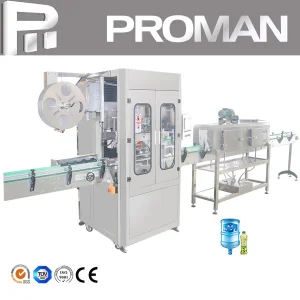
In the sphere of global supply chain management and automated secondary packaging, shrink tunnel systems represent a critical nexus of thermo-physics and mechanical automation. The modern marketplace demands packaging lines that operate with minimal downtime, maximum energy efficiency, and flawless seal integrity. Shrink wrapping is no longer merely a method for grouping products; it is a primary barrier of protection, a tool for tamper-evident security, and a key element of retail presentation.
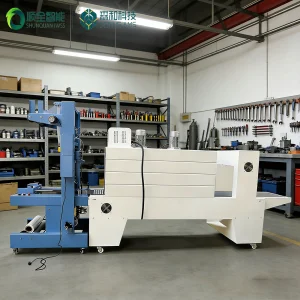
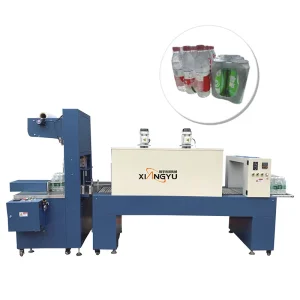
Industrial heat shrink tunnels function by routing objects wrapped in heat-sensitive plastic film (such as POF, PE, or PVC) through a heated chamber. The controlled exposure to high temperatures causes the film to shrink uniformly around the contours of the product. The engineering challenge lies in achieving thermal equilibrium: delivering enough heat to shrink the film rapidly without melting it, burning the package, or damaging heat-sensitive products inside (such as food products, chocolates, or pharmaceuticals).
The performance of any heat shrink packaging system is governed by three primary variables: temperature control, convective airflow velocity, and retention time. Under-insulation or poor aerodynamic design within the heating chamber results in uneven shrinkage, "dog ears" (unshrunk corners of film), or complete structural failures of the packaging wrap.
Understanding the chemical properties of different shrink films is imperative for configuring the optimal tunnel environment.
| Film Type | Optimal Shrink Temp | Tensile Strength | Primary Application Profile |
|---|---|---|---|
| POF (Polyolefin) | 150°C - 180°C | Excellent | High-end retail, foodstuffs, multi-pack boxes |
| LDPE (Low Density Polyethylene) | 165°C - 195°C | Superb (Heavy duty) | Industrial shipping, heavy beverage pallets, logistics |
| PVC (Polyvinyl Chloride) | 110°C - 140°C | Moderate | CDs, gift packs, stationary, basic consumer goods |
| PETG (Polyethylene Terephthalate) | 120°C - 150°C | High | Contoured bottle sleeves, tamper-evident neck seals |
To prevent localized overheating, our advanced shrink tunnels utilize dual-direction forced convection. Adjustable air baffle plates allow operators to channel hot air exactly where needed—either focusing on the bottom of the package for a clean seal line or distributing air evenly around irregular shapes. This aerodynamic efficiency reduces energy consumption by up to 35% compared to traditional single-flow radiant tunnels.
Modern manufacturing sites require turnkey automation where shrink systems seamlessly integrate with upstream sealers, cartoning systems, and downstream palletizers. Shanghai Jinye Machinery design principles are tailored for specific industry verticals:
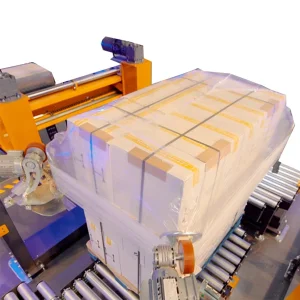
High-speed production lines running at 60 to 120 packs per minute require robust sleeve wrapping and shrink bundling machinery. We deploy heavy-duty PE-film shrink tunnels equipped with rapid cooling systems to instantly solidify the film at the exit conveyor, allowing immediate palletization without film tearing or deformation.
Cleanliness and validation compliance (FDA, GMP standards) are non-negotiable. Our pharmaceutical-grade shrink tunnels feature complete stainless steel (SUS304/SUS316) structures, zero-particulate emission heating elements, and integration options with SCADA systems for complete data logging of temperature profiles.
E-commerce fulfillment centers deal with high product variation. Our smart, self-adjusting side sealers and shrink tunnels automatically measure carton sizes on-the-fly, modulating the tunnel speed and temperature settings programmatically via PLC to wrap varying boxes with zero manual changeover time.
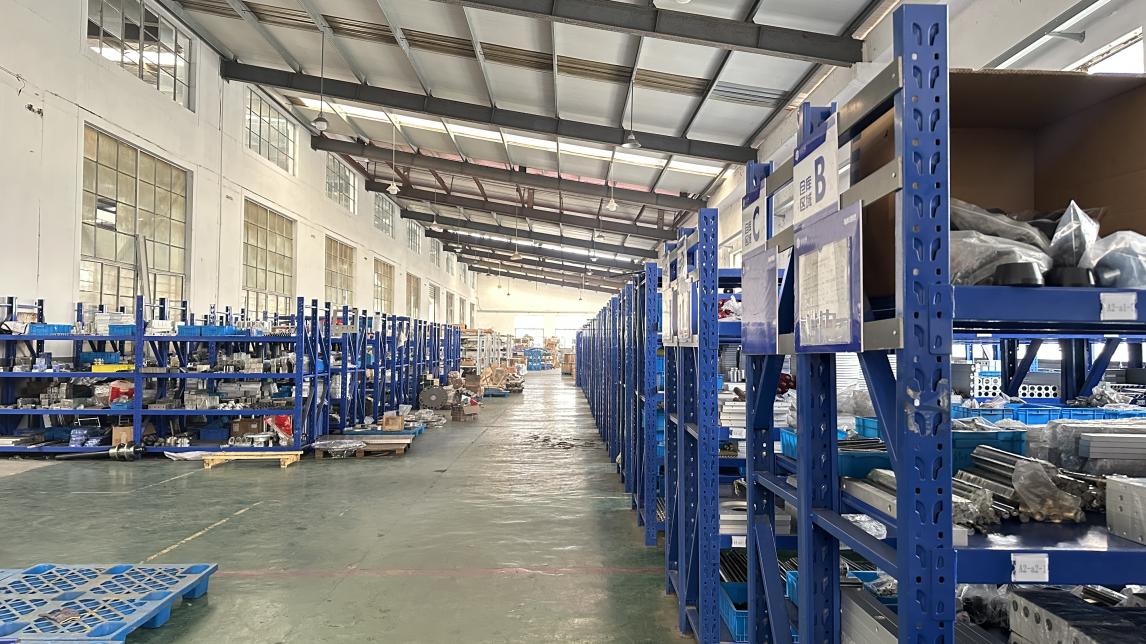
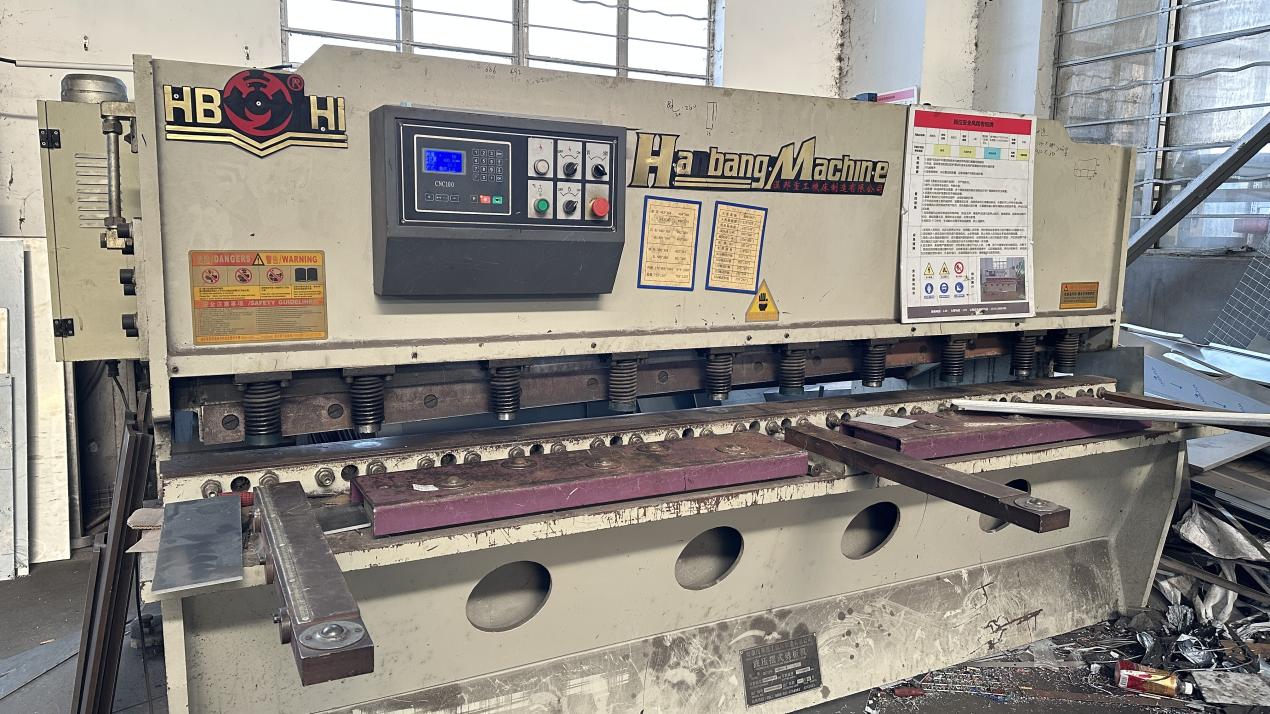
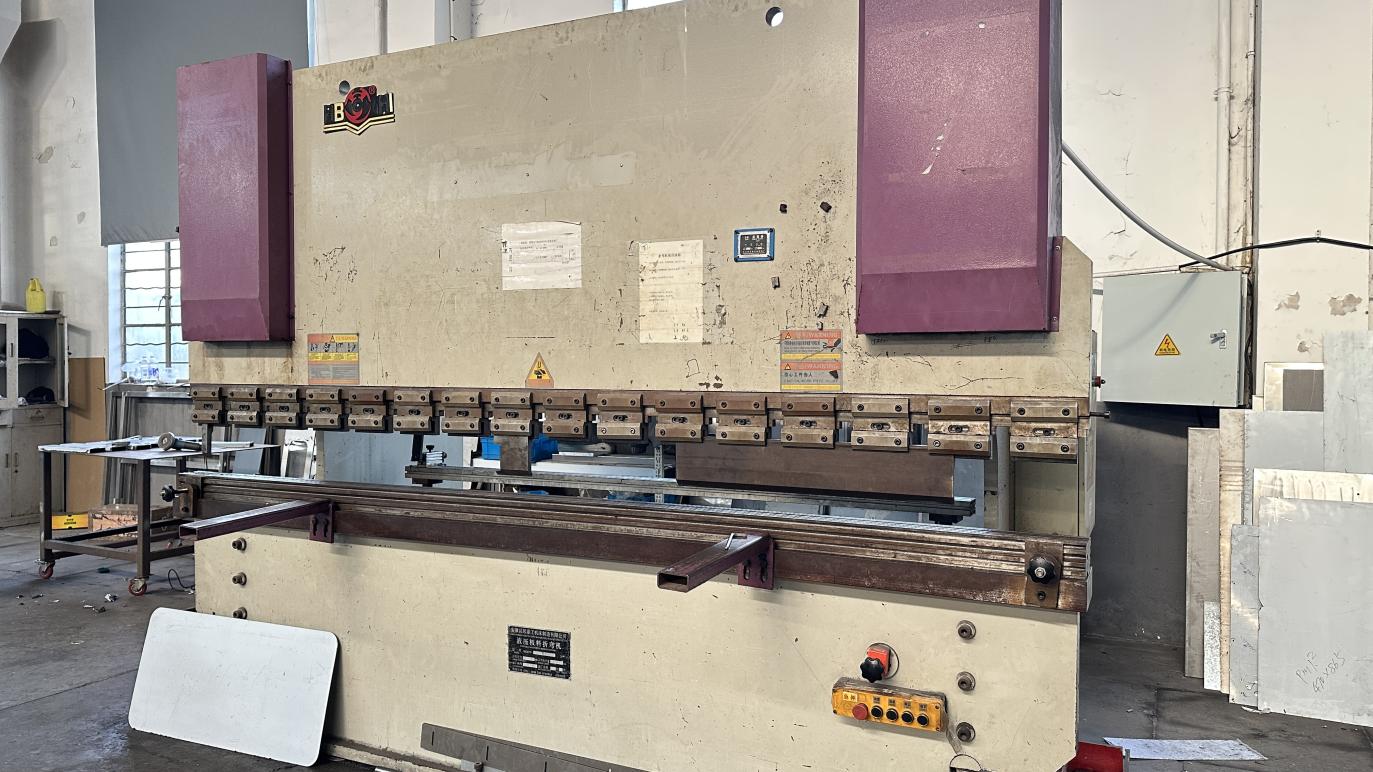
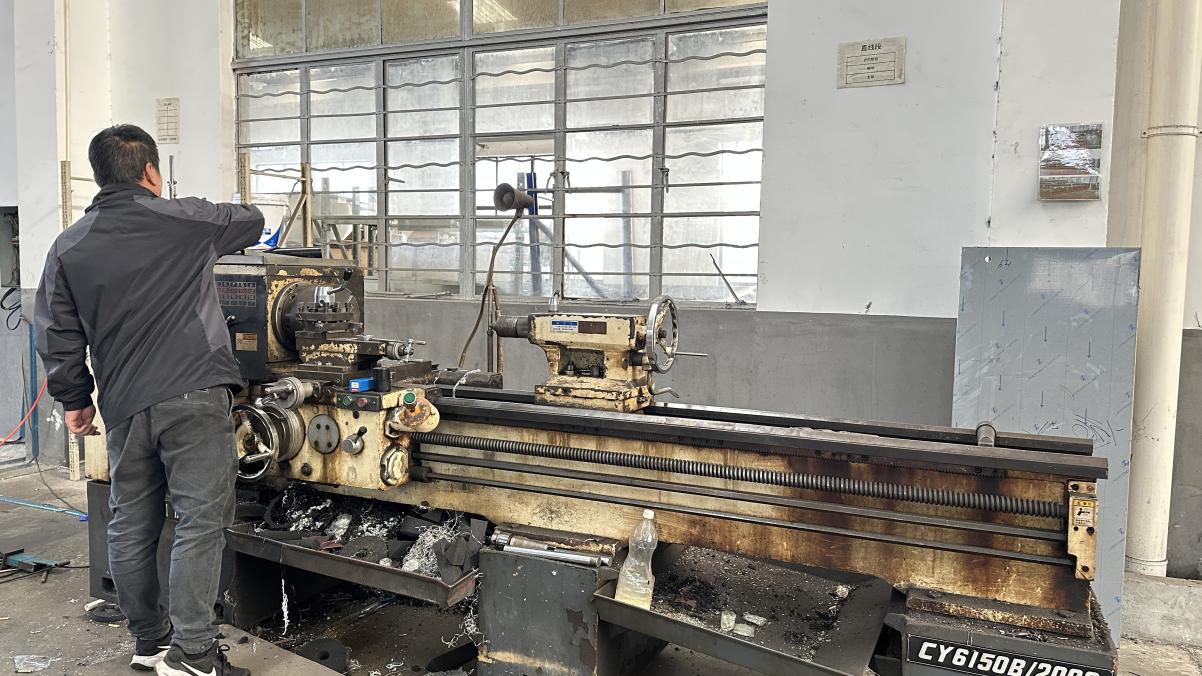
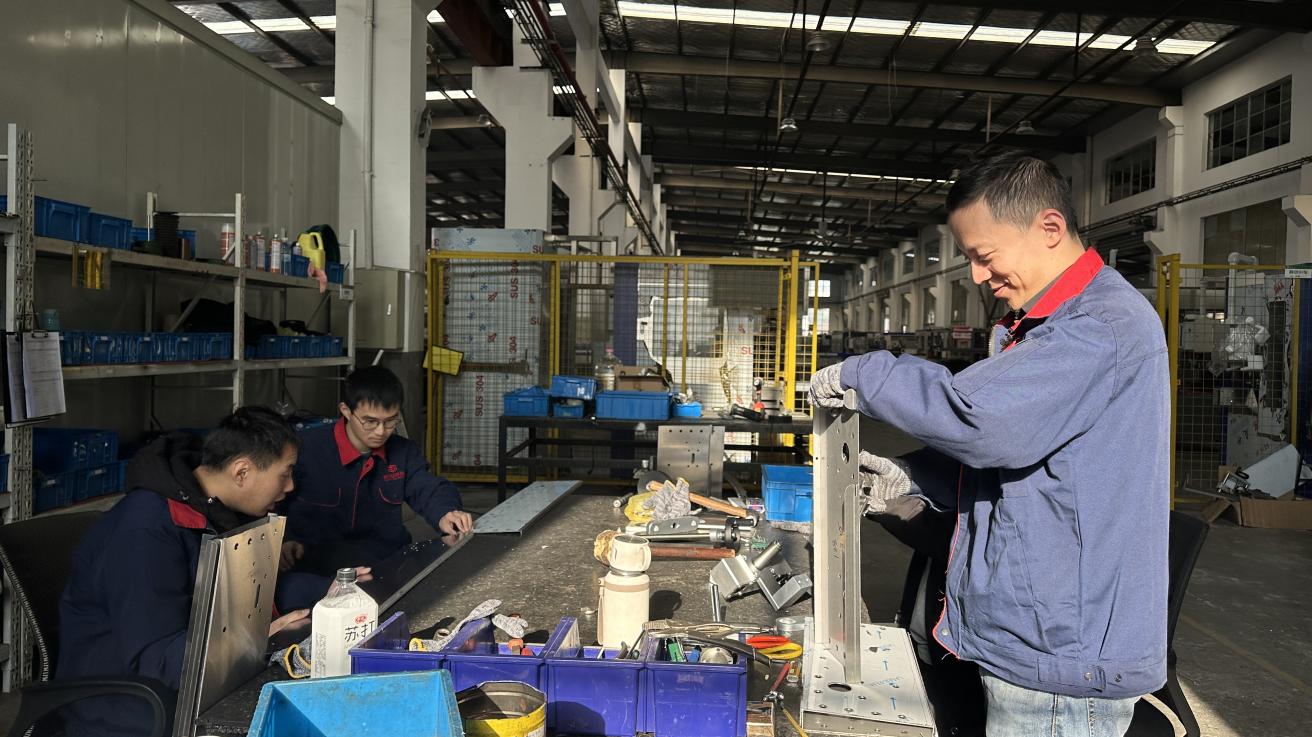
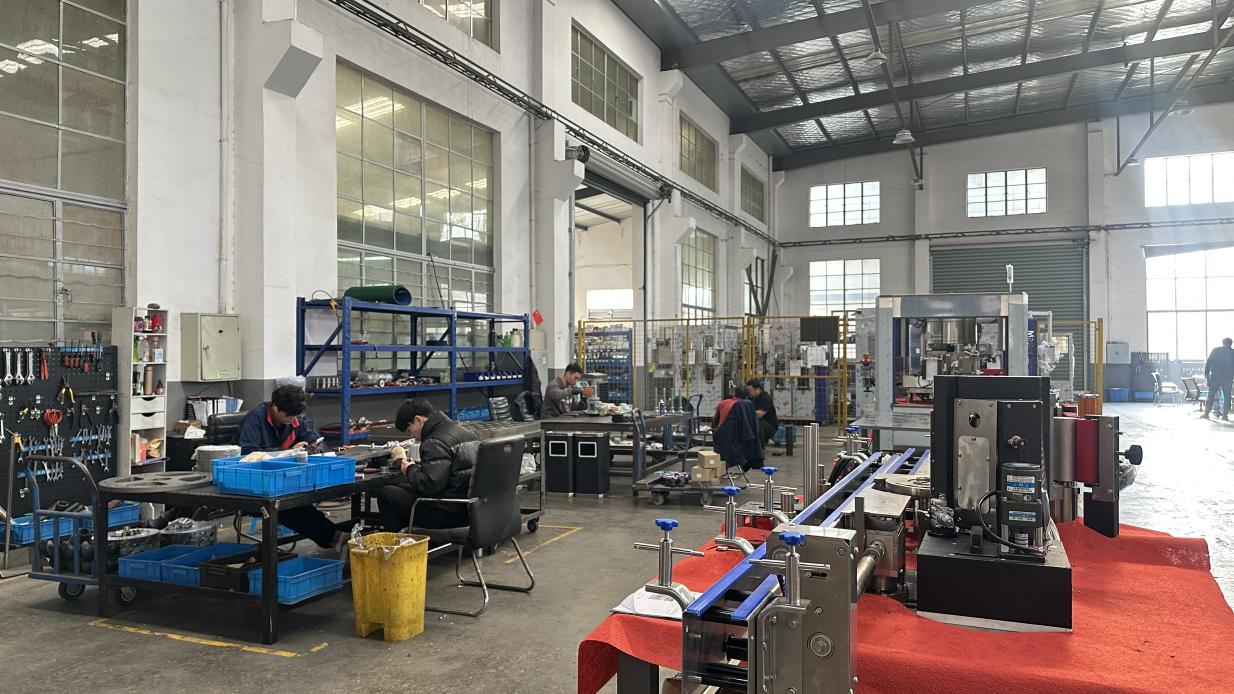
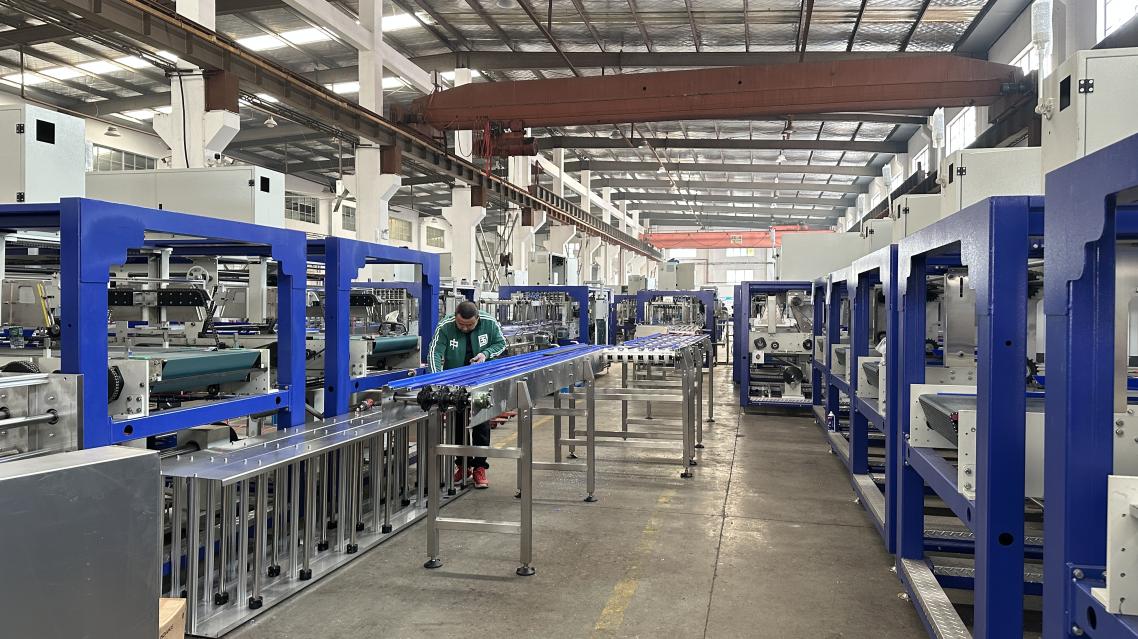
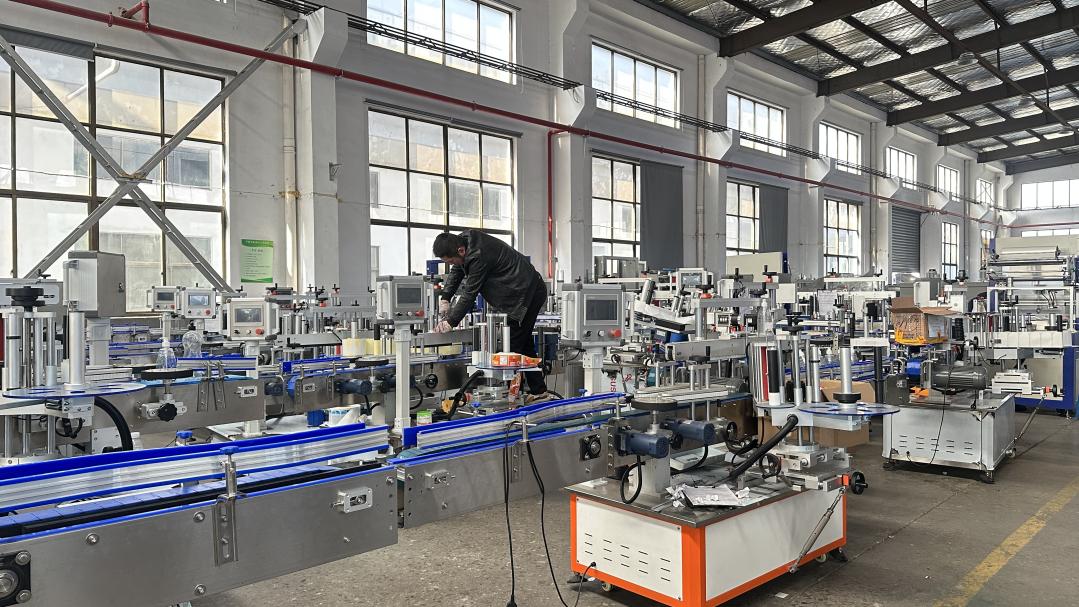
Shanghai Jinye Machinery Co., Ltd. is a leading global manufacturer specializing in the research, development, design, and manufacturing of advanced packaging machinery. Headquartered in Shanghai, China, our modern fabrication facility leverages intelligent manufacturing workflows, advanced CNC centers, and rigorous QA check-gates. We handle every step of the supply chain—from raw material inspection and laser shearing to robotic bending, precision turning, complex assembly, and run-time testing.
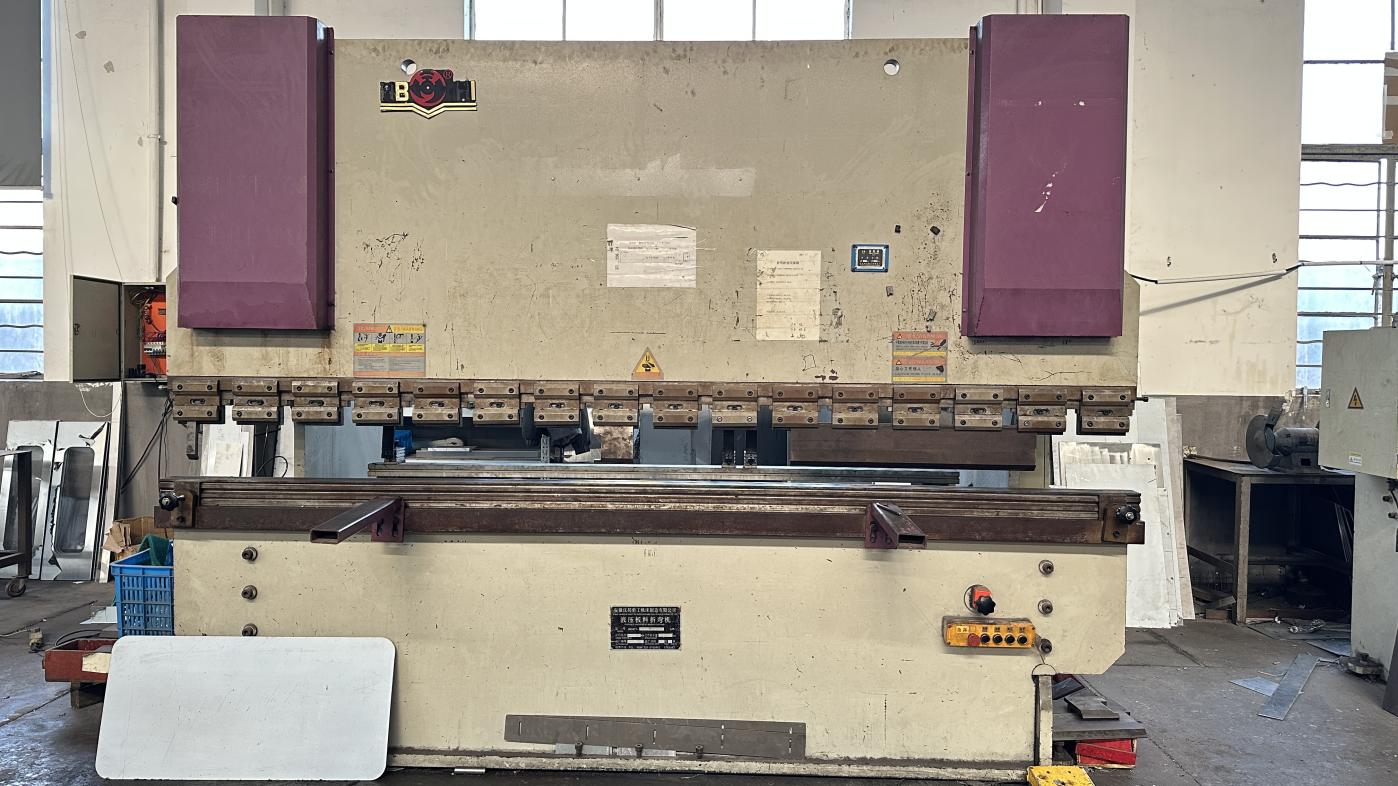
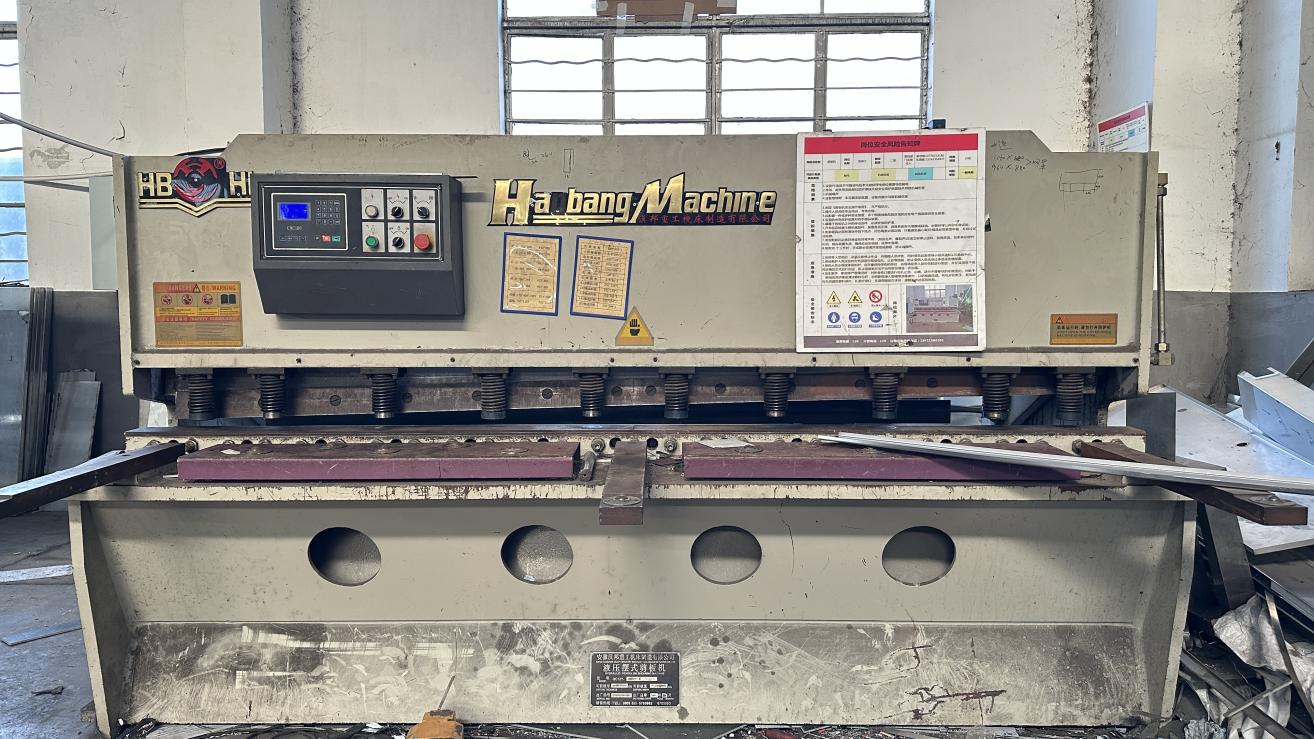
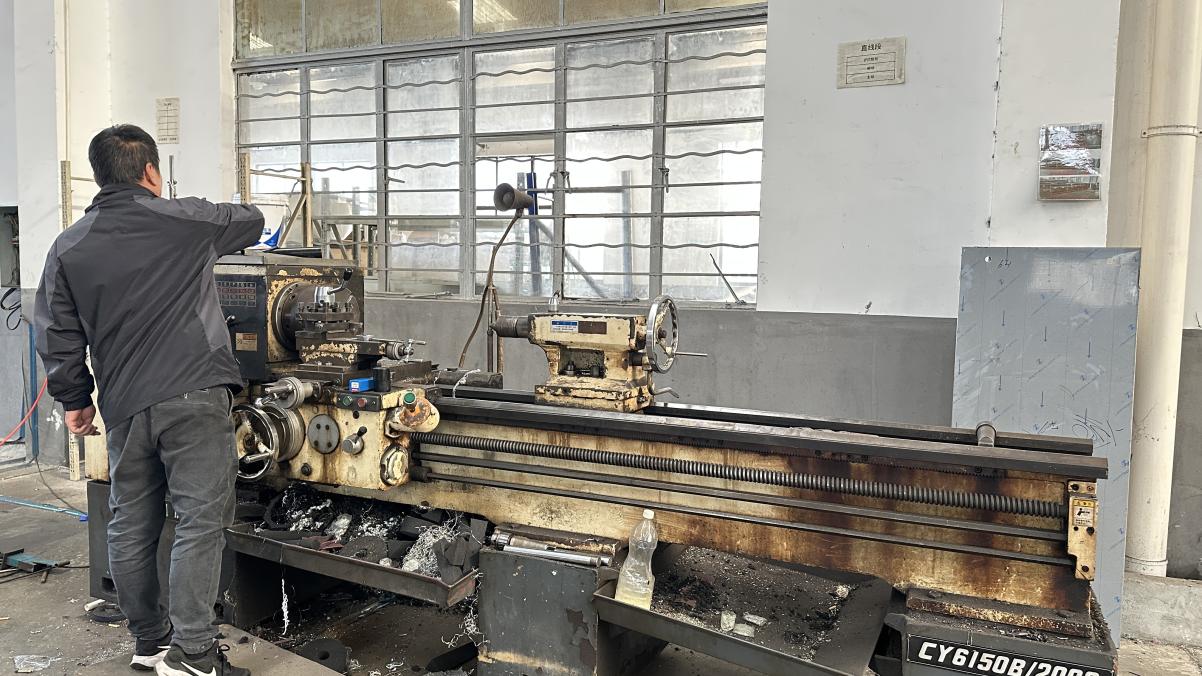
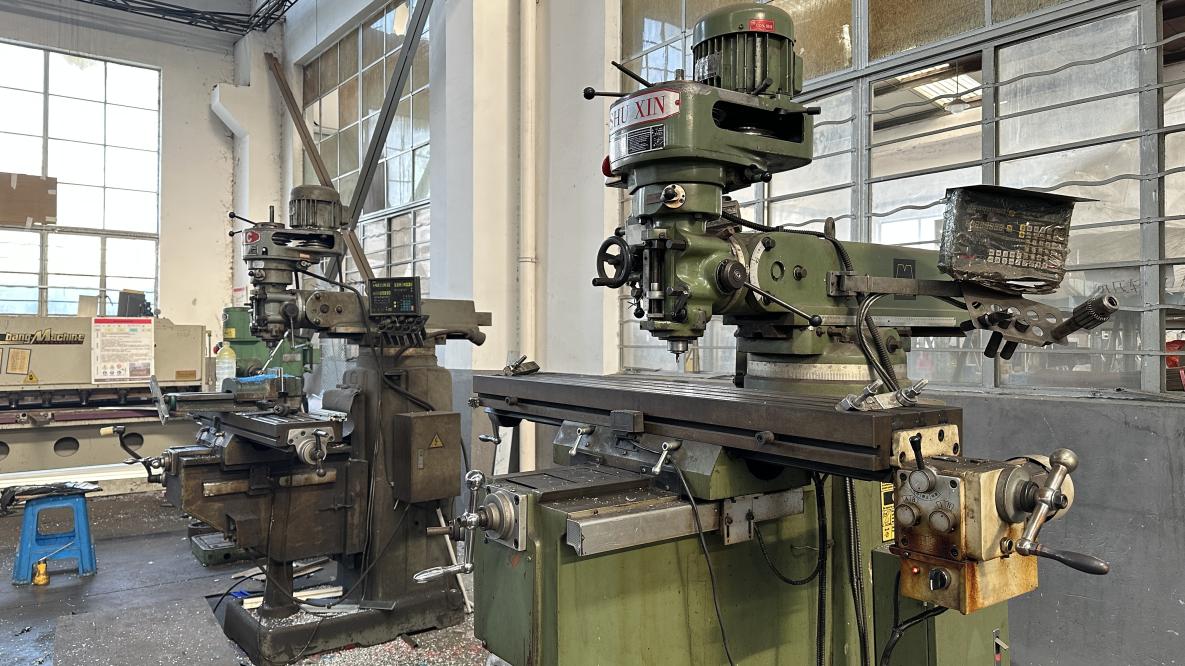
When evaluating high-performance packaging assets, industrial buyers must consider factors far beyond the initial procurement cost. The actual cost of ownership is highly dependent on utility consumption (electricity and compressed air), maintenance frequency, and wear-and-tear of consumable parts (heating elements, silicone roller sleeves, and conveyor chains).
Shanghai Jinye design principles reduce TCO through:
Operating across different global regions requires strict compliance with domestic and international safety guidelines. Shanghai Jinye Machinery builds equipment to meet the most rigorous regulatory standards: