 Jinye Machinery
Jinye Machinery
Jinye Machinery
Connecting Shanghai Jinye’s state-of-the-art precision engineering with Brazil's major logistics and production corridors.
Premium solutions specifically designed for immediate installation in high-output processing facilities across Brazil.
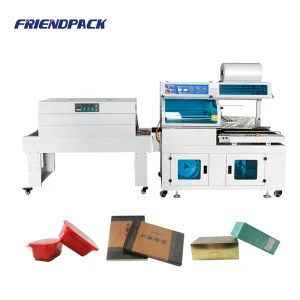
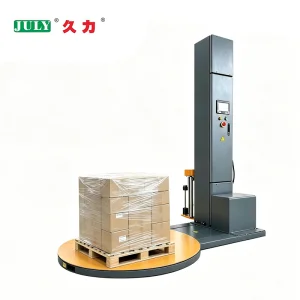
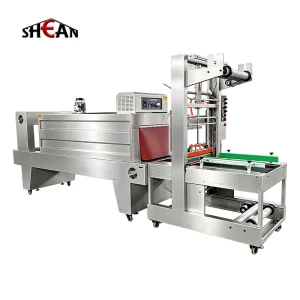
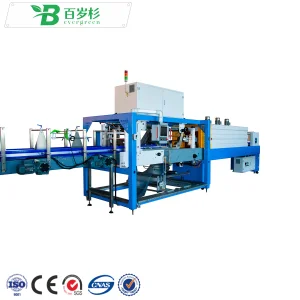
Brazil stands as the economic engine of Latin America, boasting robust agricultural, food manufacturing, pharmaceutical, and cosmetic clusters. The country's dynamic manufacturing regions, spanning São Paulo, Minas Gerais, Rio Grande do Sul, and Paraná, demand highly integrated packaging workflows to meet both domestic consumption and aggressive export metrics.
Historically, the Brazilian packaging market has relied on semi-automated processes. However, volatile labor markets, rising logistics expenses, and strict health safety regulations have catalyzed a systemic shift towards fully automated packaging machinery. Modern automatic shrink wrapping systems are no longer viewed simply as end-of-line packaging; they are critical buffers that dictate the speed, efficiency, and reliability of the entire manufacturing supply chain.
Globally, the packaging machinery paradigm is transitioning rapidly toward smart connectivity and industrial IoT protocols. Modern manufacturers demand machines with open-source PLC layouts (such as Siemens, Omron, or Mitsubishi), allowing real-time telemetry, predictive maintenance, and seamless communication with enterprise resource planning (ERP) applications.
Shanghai Jinye Machinery Co., Ltd. addresses this demand by designing packaging lines that comply with global technical specifications. By combining state-of-the-art Chinese machining output with global electronic and pneumatic standards, we provide Brazilian businesses with high-performance shrink wrapping solutions that bridge the gap between initial investment cost and ultimate long-term reliability.
Adaptable configurations designed for multiple substrate applications, including PET bottles, gift packs, and bulk shipping cartons.
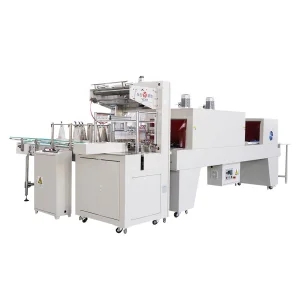
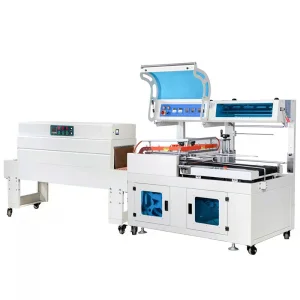
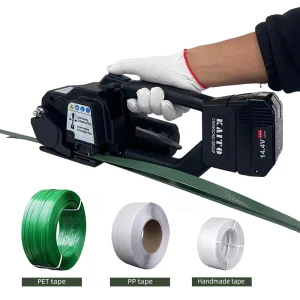
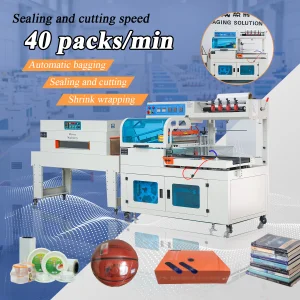
As purchasing directors from São Paulo to Manaus look to optimize capital expenditure, the value proposition offered by Shanghai Jinye Machinery becomes overwhelmingly clear. By harnessing China's highly synchronized industrial ecosystem, we provide machinery featuring:
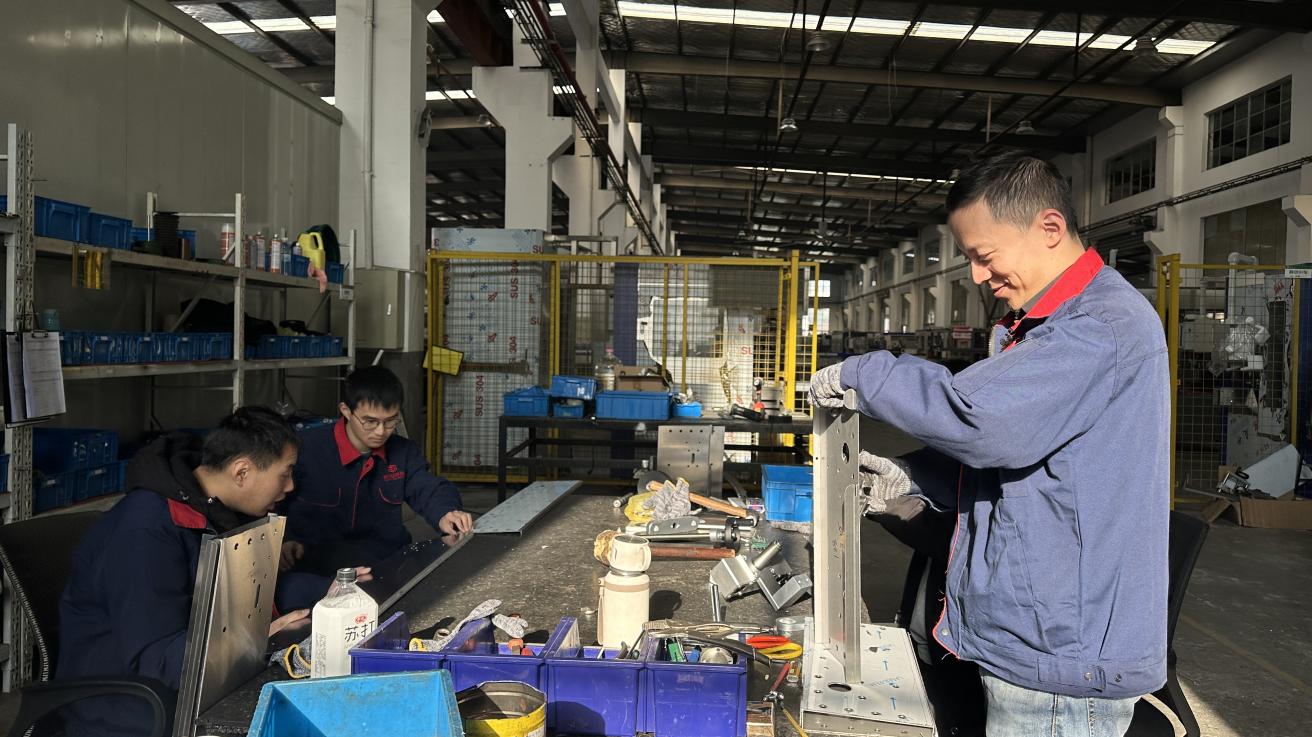
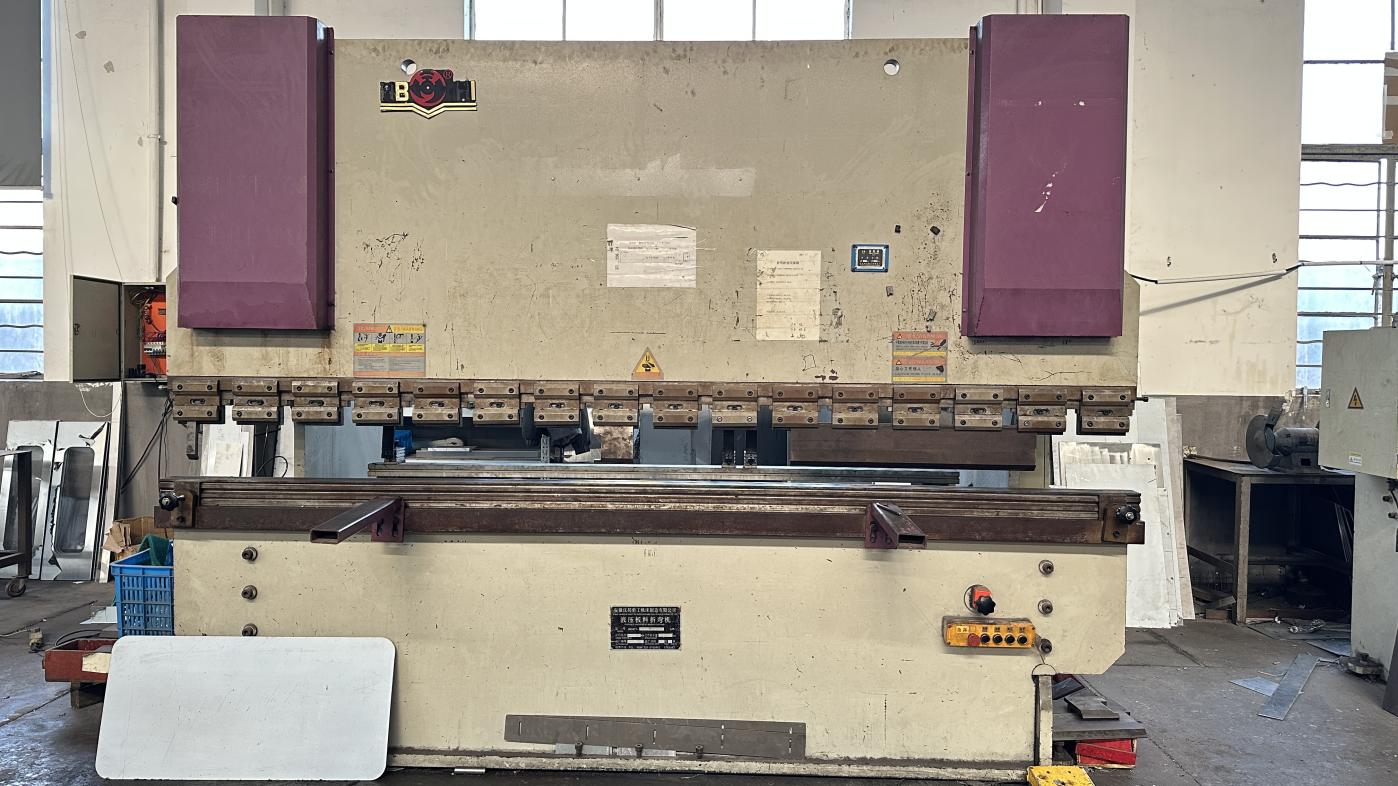
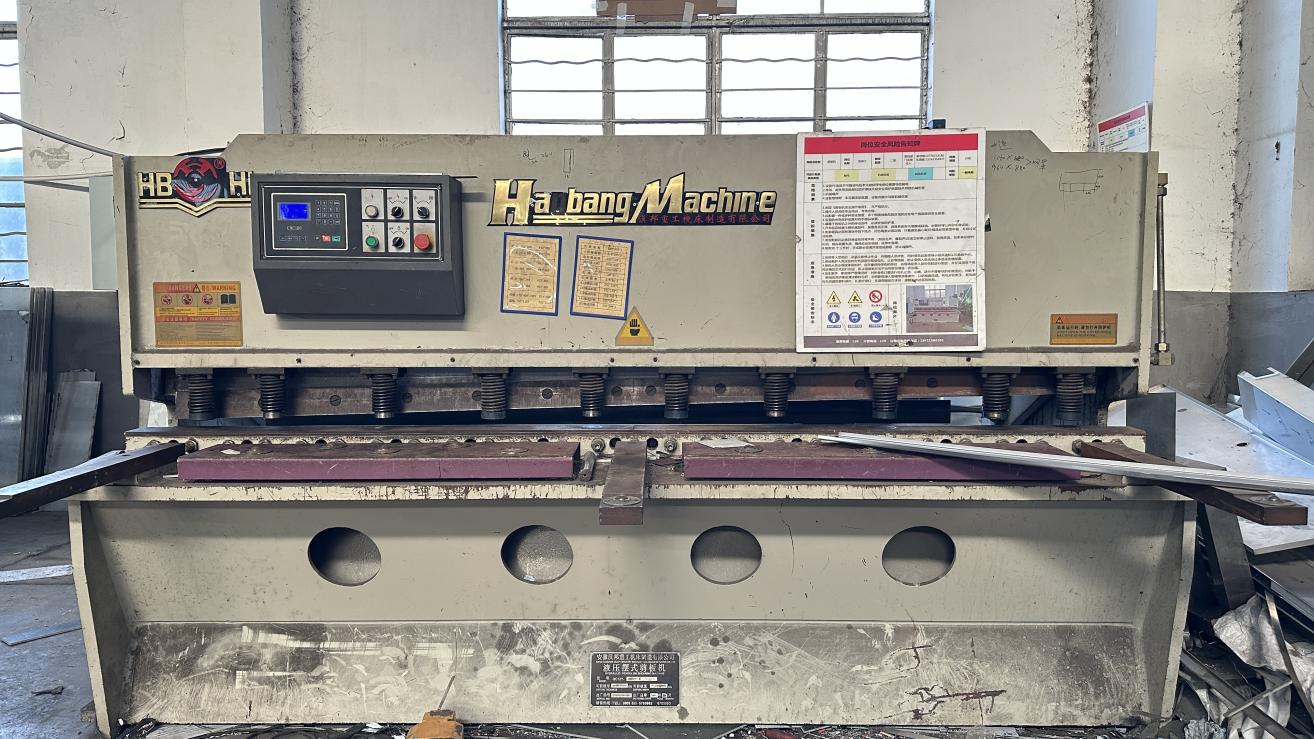
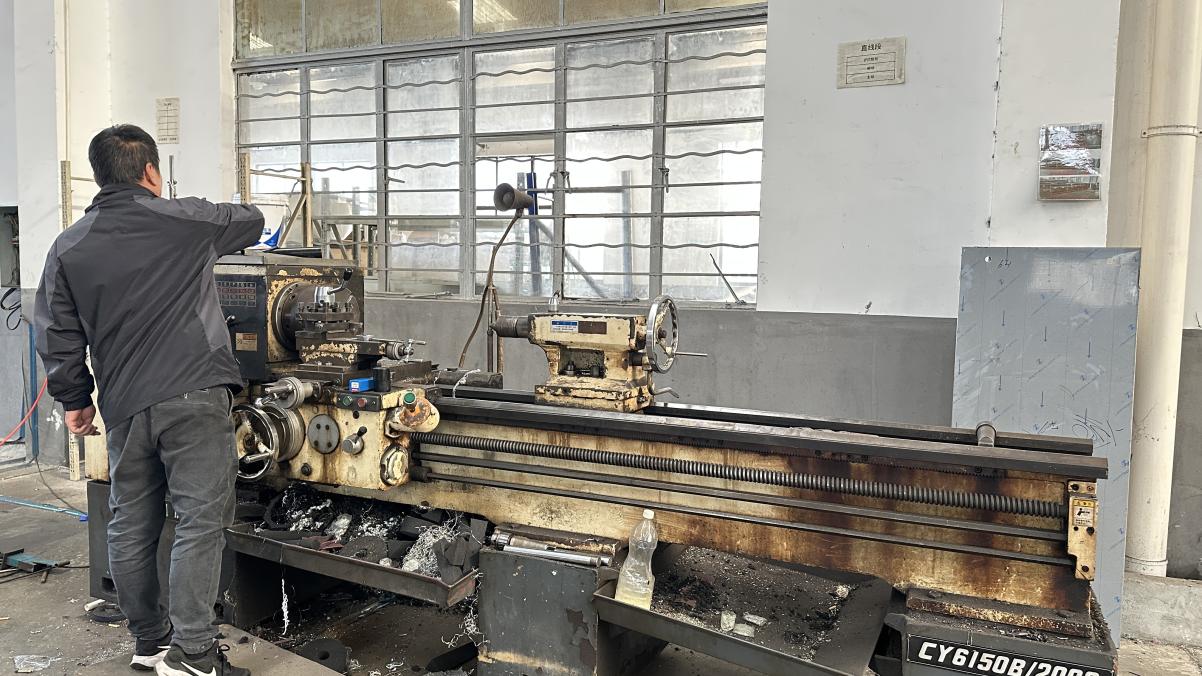
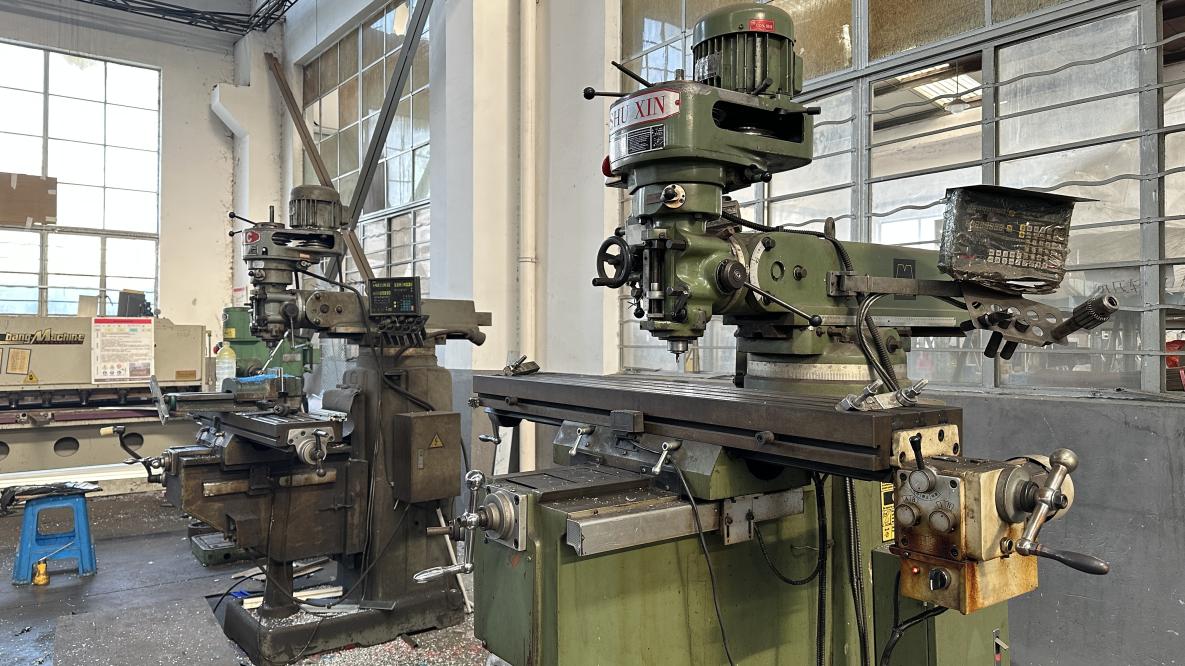
Equipped with modern CNC centers, advanced laser cutters, and precise bending setups ensuring perfect alignments for high-speed operation.
We source critical components like motors, sensors, and electronic parts from leading global brands to ensure smooth operation worldwide.
Our engineers configure safety systems, safety relays, and emergency locks in strict compliance with Brazilian regulatory norms.
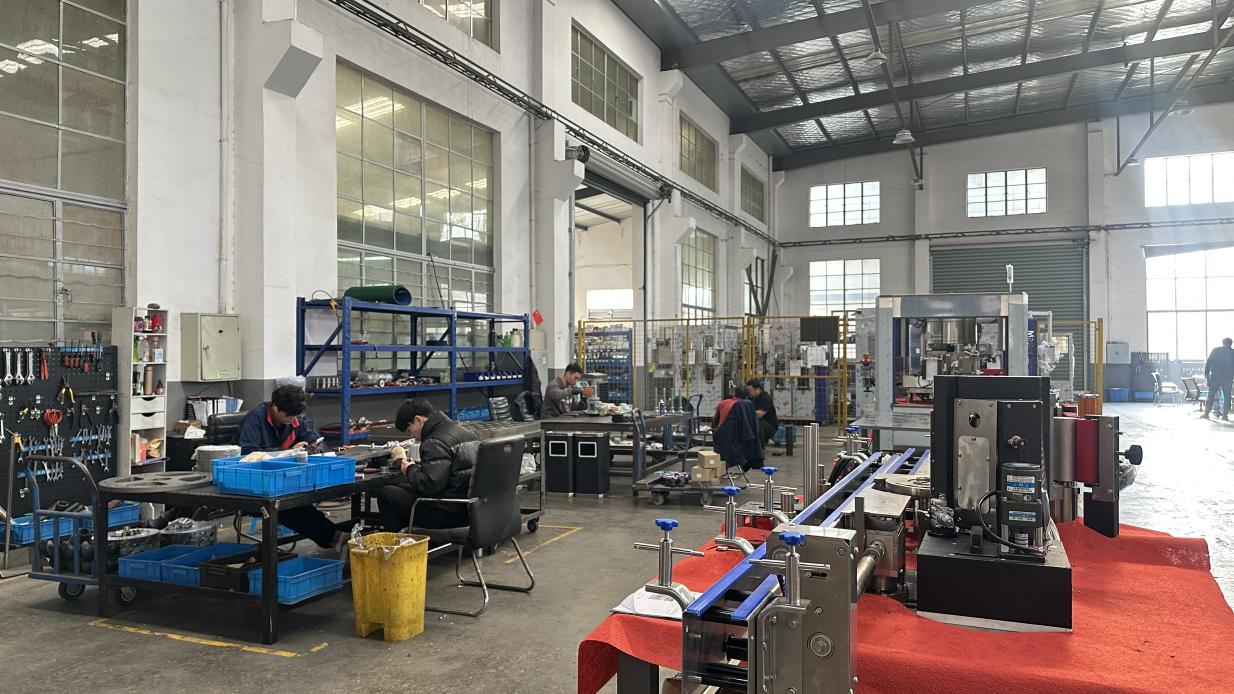
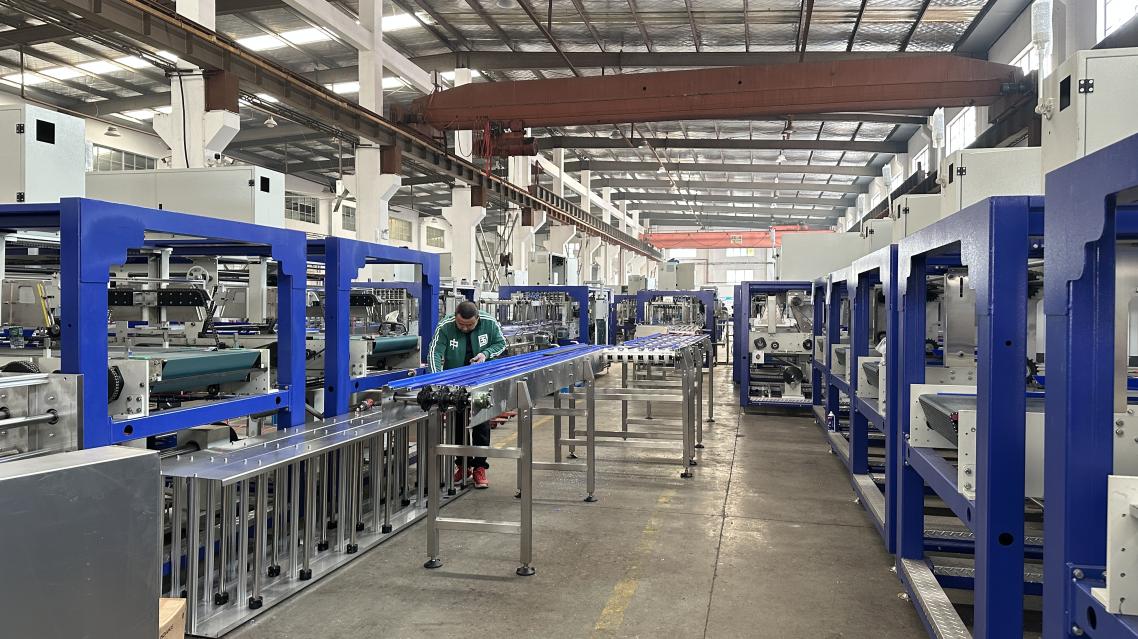
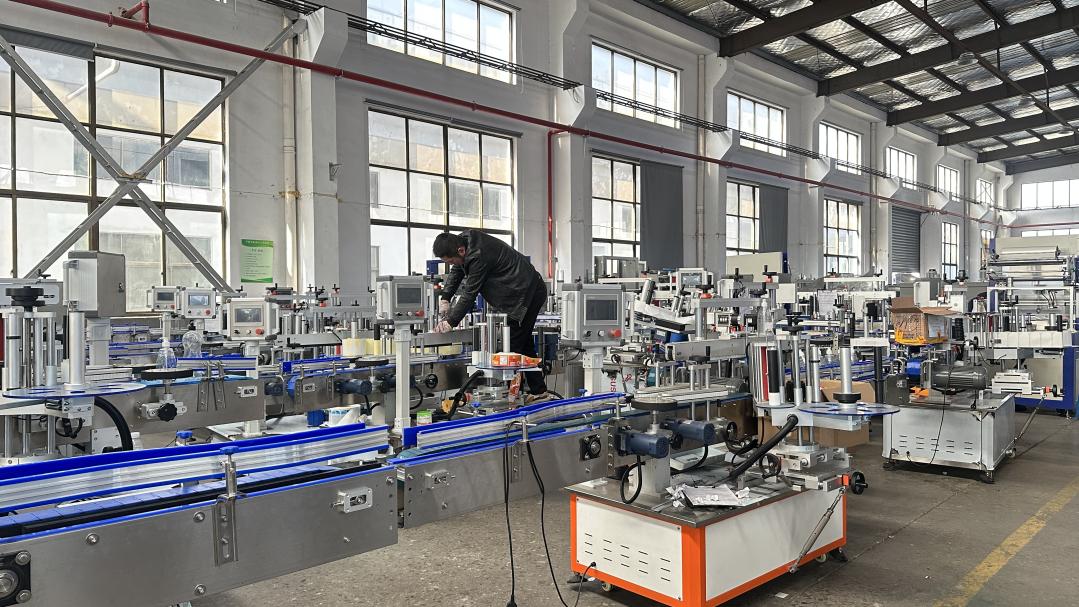
We stress-test all components under real production scenarios prior to overseas transit, ensuring seamless commissioning upon arrival.
A look inside our state-of-the-art production processes, ensuring superior precision, assembly, and testing before exporting globally.
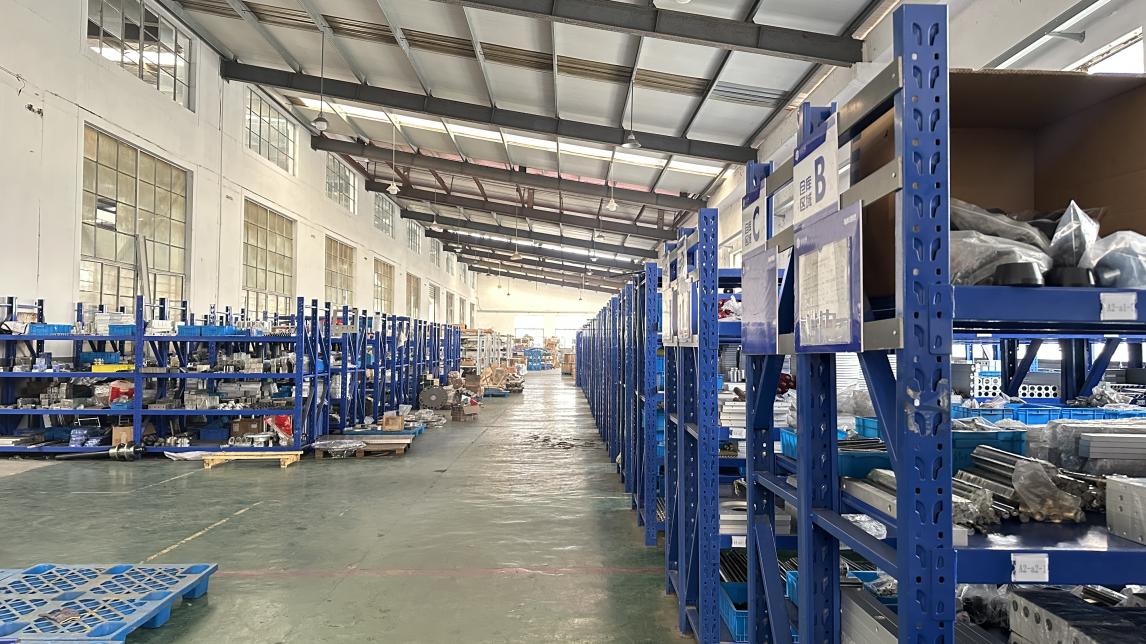
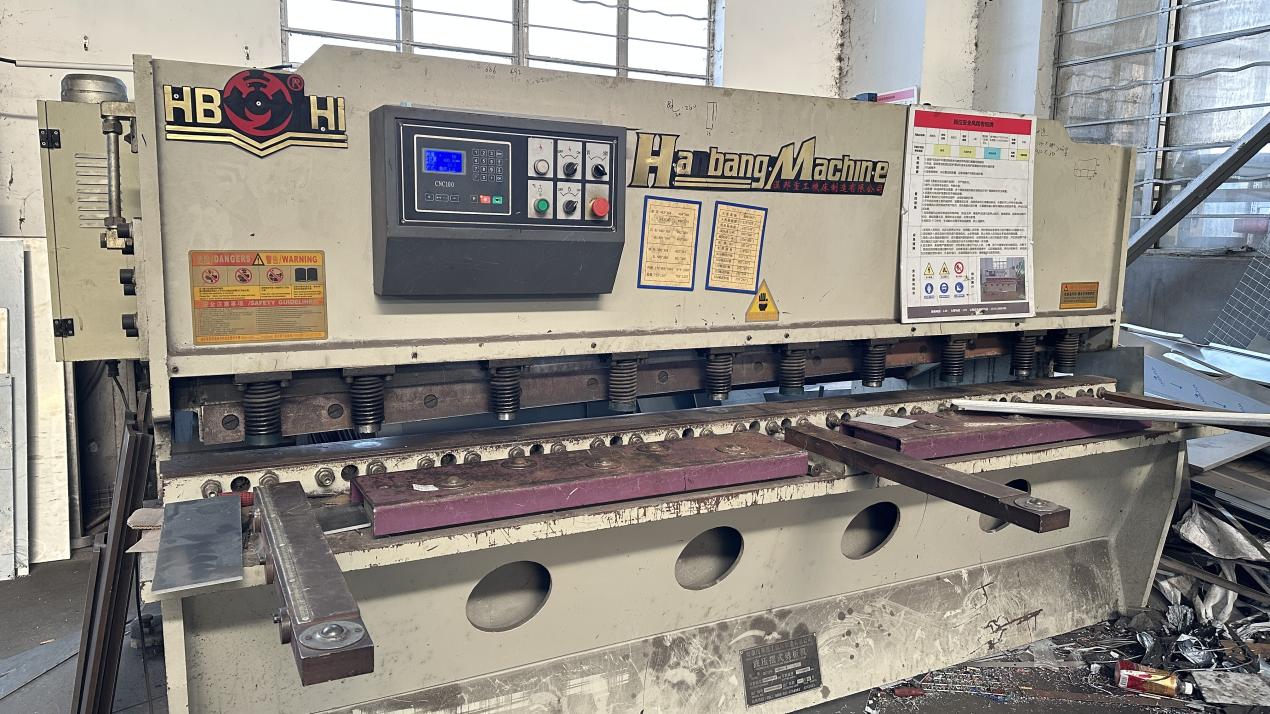
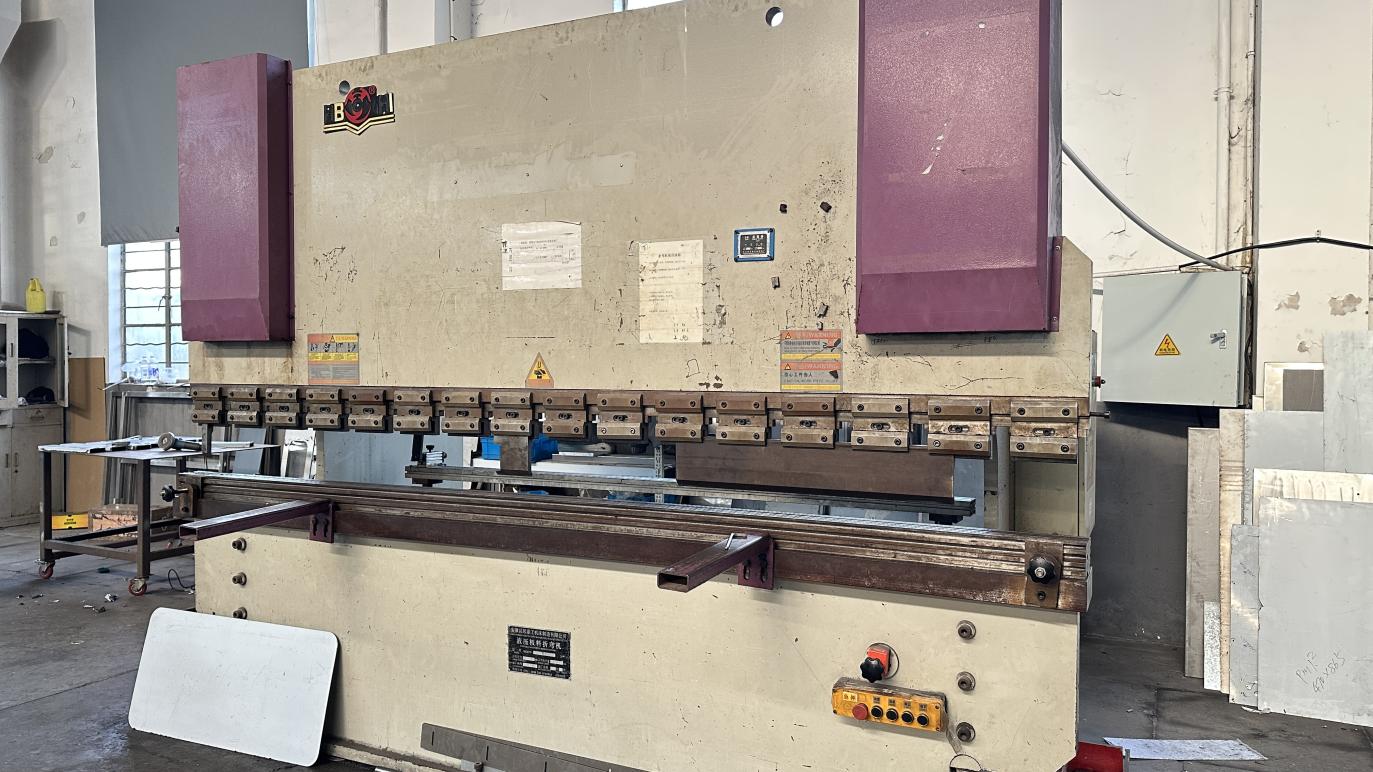
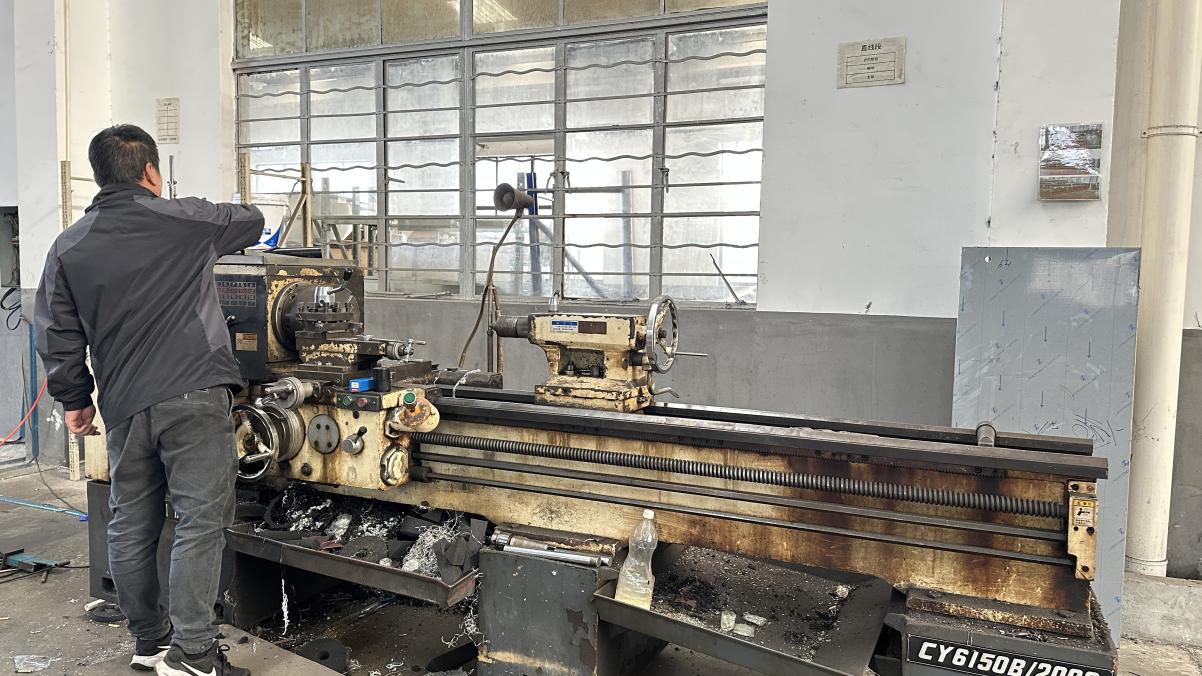
Explore our complete range of high-capacity packaging equipment configured for modern factories in South America.
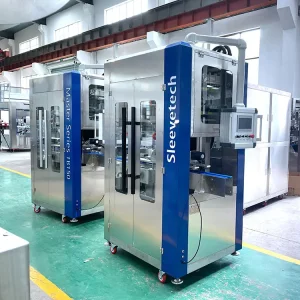
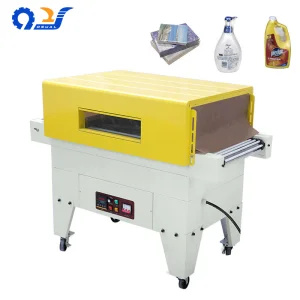
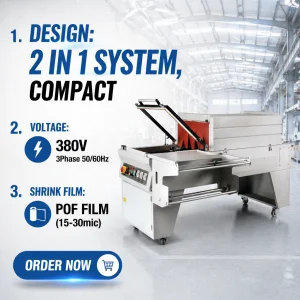
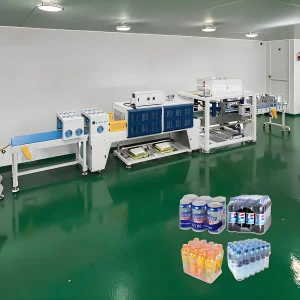
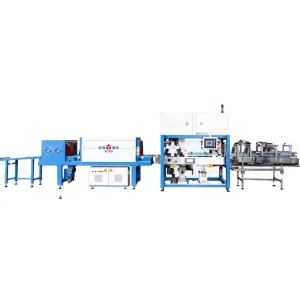
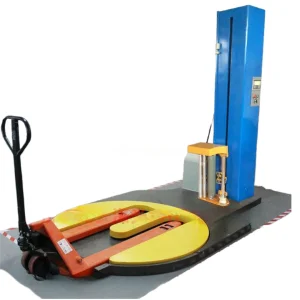
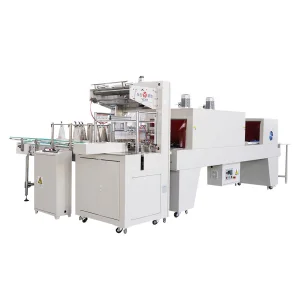
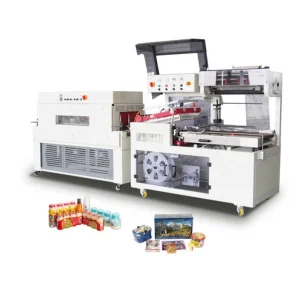
Procuring industrial machinery internationally requires a meticulous review of both hardware reliability and supplier capability. For global enterprises setting up or scaling facilities in Latin America, procurement guidelines must balance immediate capital expenditure (CAPEX) with long-term operational expenditure (OPEX).
As environmental policies tighten globally, the shrink-wrapping industry is shifting toward thinner films with superior tensile strength. The development of high-speed sealers capable of handling 10-micron POF films without tearing has become a benchmark for packaging innovation. Simultaneously, heat tunnels equipped with advanced air-flow circulation prevent heat loss, ensuring minimal power draw and stable wrapping results even at high cycling speeds.
Get answers to common technical, logistics, and operational questions when exporting automatic packaging lines to Brazil.
Yes. We customize our electrical circuits, integrate safety relays, add physical safety shields, and install emergency stop switches to comply with Brazil's NR-12 (Norma Regulamentadora 12) guidelines. Please specify your safety requirements during the initial design phase.
Our machines are highly versatile, supporting Polyolefin (POF), Polyethylene (PE), and Polyvinyl Chloride (PVC) films. POF is ideal for retail consumer boxes (like cosmetics or books), while PE film is preferred for heavy-duty beverage bundles and industrial collation.
Brazil has diverse regional voltage standards, including 220V three-phase and 380V/440V at 60Hz. We customize the transformers, motors, and PLC systems of our machines to match the exact power grids of your specific industrial park before shipment.
We provide comprehensive virtual commissioning support, video instructions, and detailed electrical drawings. We also include a complete kit of critical wear-and-tear parts with every machinery shipment, and we ship express replacement parts via global couriers to minimize downtime.
Manufacturing typically takes between 30 to 45 days, depending on custom configurations. Ocean shipping transit time from Shanghai to major Brazilian ports ranges from 35 to 45 days. We coordinate closely with your customs brokers to ensure all export documentation is prepared correctly.