Jinye Machinery
Jinye Machinery
Jinye Machinery
Precision engineering systems engineered for high-throughput, continuous industrial deployment.
For decades, industrial packaging has relied on basic bundling techniques. However, the rise of high-speed manufacturing lines, globalized logistics corridors, and complex retail distribution channels has propelled the demand for high-performance Thermal Shrink Wrap Machines. In the modern manufacturing landscape, China has transitioned from a basic assembly hub into a global epicenter of design innovation, automation integration, and precise execution for end-of-line packaging systems.
Leading this transition is Shanghai Jinye Machinery Co., Ltd., a professional manufacturer specializing in the research, development, design, production, and service of advanced packaging machinery. Headquartered in the industrial heart of Shanghai, China, the company has established a modern manufacturing base equipped with advanced processing facilities and strict quality management systems, enabling us to deliver reliable and efficient packaging solutions to customers worldwide.
Unlike traditional machinery companies that rely solely on external sourcing, modern Chinese factories utilize vertically integrated production pathways. This structural integration allows for strict adherence to international safety metrics, such as CE and ISO standards, while maintaining the flexibility required to build custom industrial machinery. The transition toward smart factories has catalyzed the integration of programmable logic controllers (PLCs), high-frequency heat sealing technologies, and optimized thermal dynamics to achieve minimum waste and maximum throughput.
"Modern thermal shrink wrap packaging is no longer just about containment; it is a critical component of brand preservation, moisture protection, and logistics efficiency. Transitioning to advanced heat-sealing technologies directly impacts the overall equipment effectiveness (OEE) of modern packaging lines."
To optimize procurement protocols, it is essential to understand the structural and mechanical differences between the major types of thermal shrink wrap machines manufactured in China. Different product profiles, weights, and production speeds dictate the correct machinery configuration:
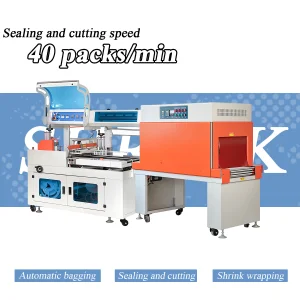
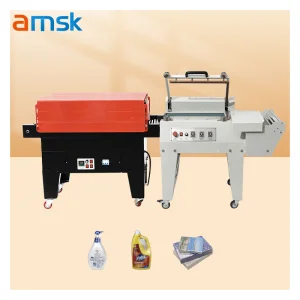
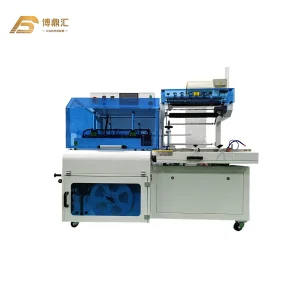
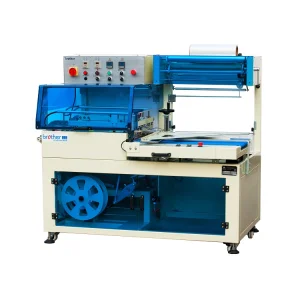
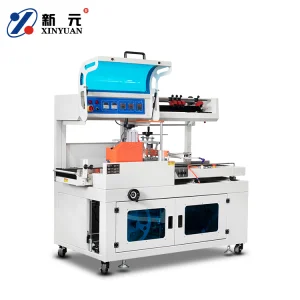
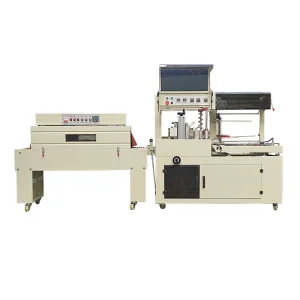
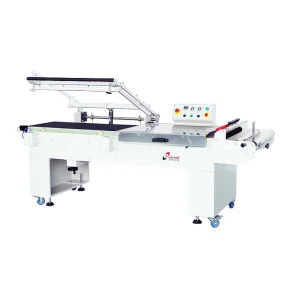
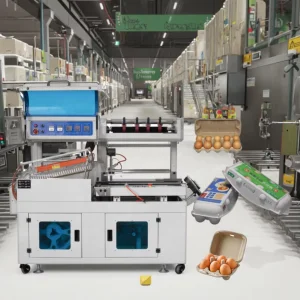
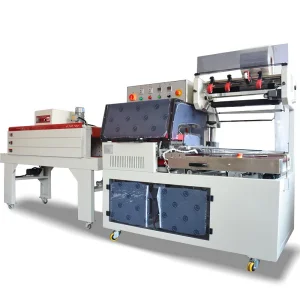
Perfect for packaging retail-facing goods, consumer electronics, and boxed foods. The L-Bar sealer creates a clean, fully enclosed four-sided seal. Standard POF (Polyolefin) film compatibility ensures high clarity and strong tear resistance, making it suitable for display-ready packaging.
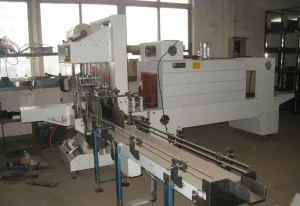
Specially engineered for beverage multi-packs, canned goods, and heavy industrial products. Using thick PE (Polyethylene) film, these machines seal the film on two sides while leaving small openings ("bullseyes") on the remaining two ends, providing robust handling integrity for heavy items.
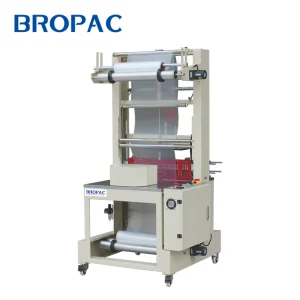
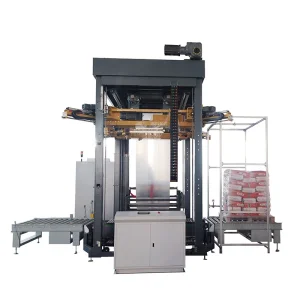
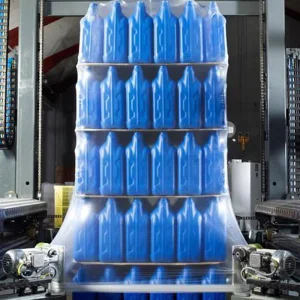
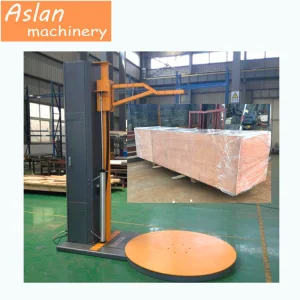
Designed for large palletized loads in petrochemicals, logistics, and bulk food industries. This advanced system stretches a tubular film over the entire pallet load, generating high horizontal and vertical holding forces without requiring high-energy thermal shrink tunnels.
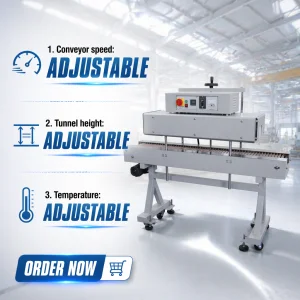
Modern Chinese engineering focus on optimizing the thermodynamics within the heat shrink tunnel. Advanced air recirculation systems ensure uniform heat transfer, preventing common packaging errors like wrinkles, dog-ears, or fish-eyes. The integration of high-precision PID controllers ensures temperatures remain within +/- 1°C, maximizing film shrinkage without risking heat damage to the underlying product.
Procuring heavy machinery from overseas requires a structured framework that balances initial capital expenditure with long-term operational costs. Industry-leading buyers evaluate packaging machinery suppliers using several key operational metrics:
Modern packaging machines do not operate in isolation. In high-efficiency processing plants, the thermal shrink wrap system serves as the final link in the automation chain. Seamless integration with upstream machinery (such as cartoners, filling lines, and case packers) and downstream systems (such as robotic palletizers and automated guided vehicles) is crucial.
Shanghai Jinye Machinery Co., Ltd. addresses this requirement by providing end-to-end engineered solutions:
In the Beverage & Dairy sector, high-speed sleeve wrapping lines run at rates exceeding 40 packs per minute, managing heavy PET bottle bundles without stopping. In Food Processing, washdown-rated stainless steel packaging lines comply with strict sanitary standards, preventing contamination while packaging trayed goods. For Logistics & Warehousing, automated palletizing and stretch wrapping lines secure uneven loads for transport, reducing damage claims.
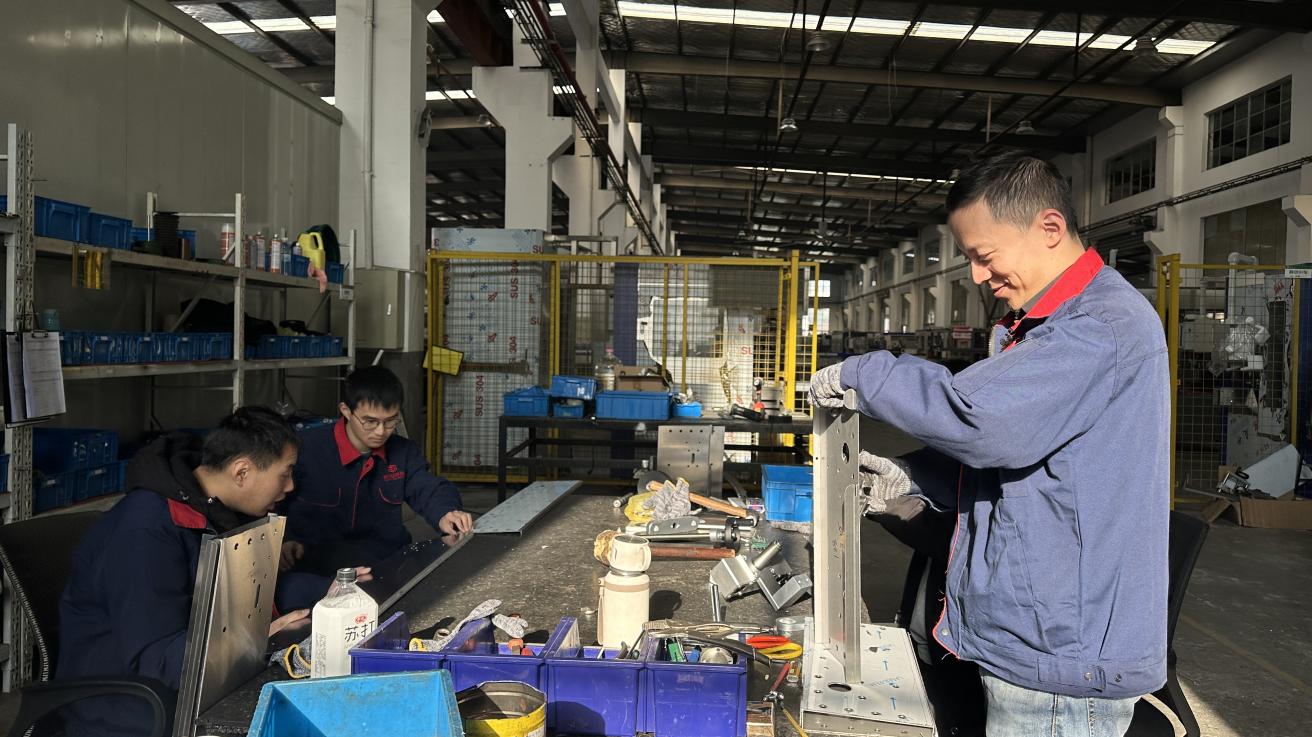
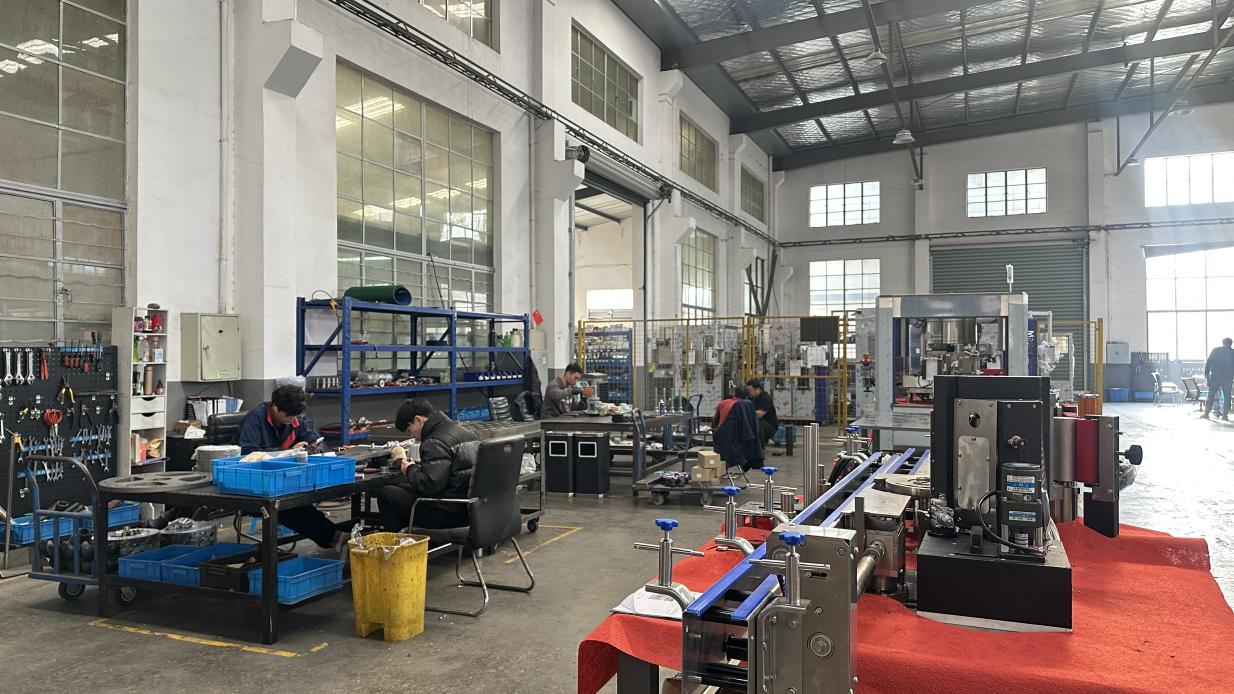
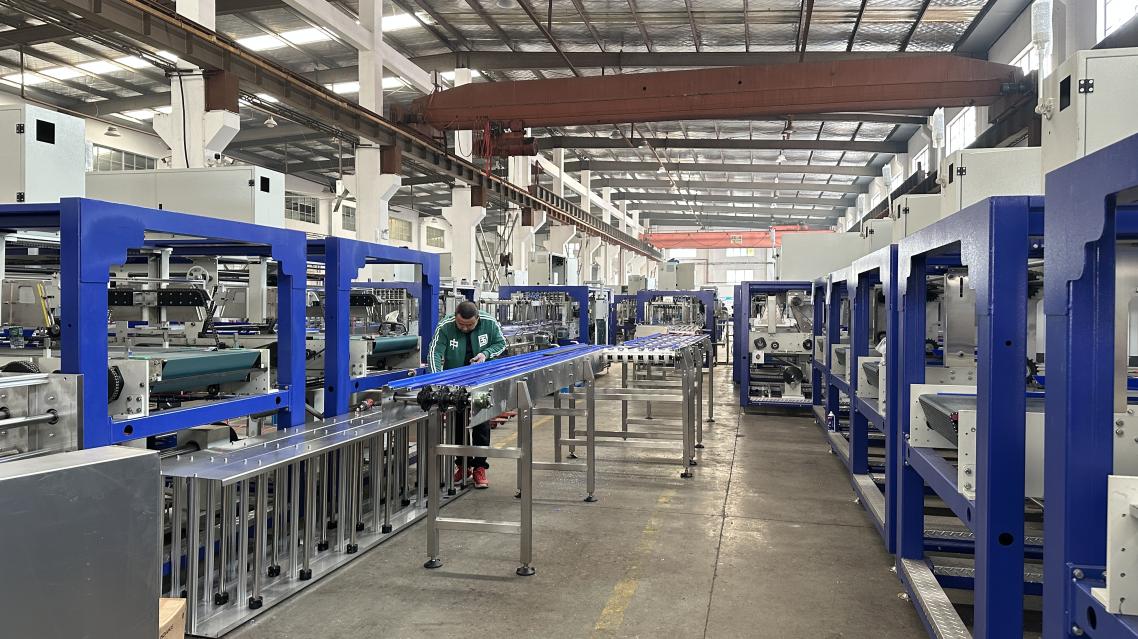
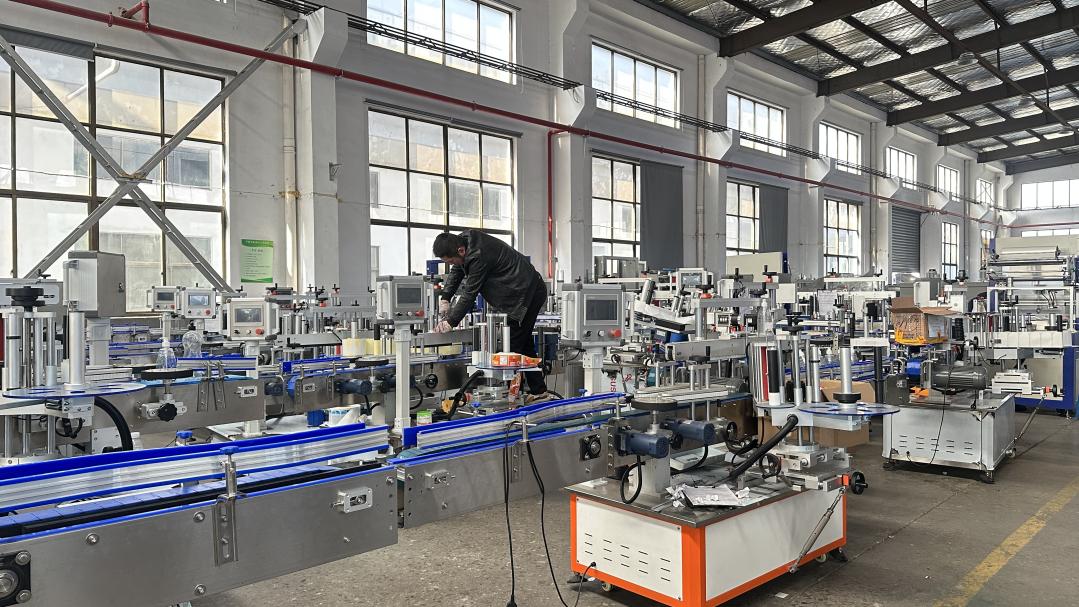
Inside Shanghai Jinye Machinery's production facility: where raw materials are transformed into precision packaging systems.
Our manufacturing capabilities integrate sales, R&D, mechanical design, precision manufacturing, electrical engineering, assembly, commissioning, quality inspection, and after-sales service into a unified operation. We continuously invest in advanced CNC machining centers, laser cutting equipment, and precision bending tools to ensure stable, reliable performance for all our machines.
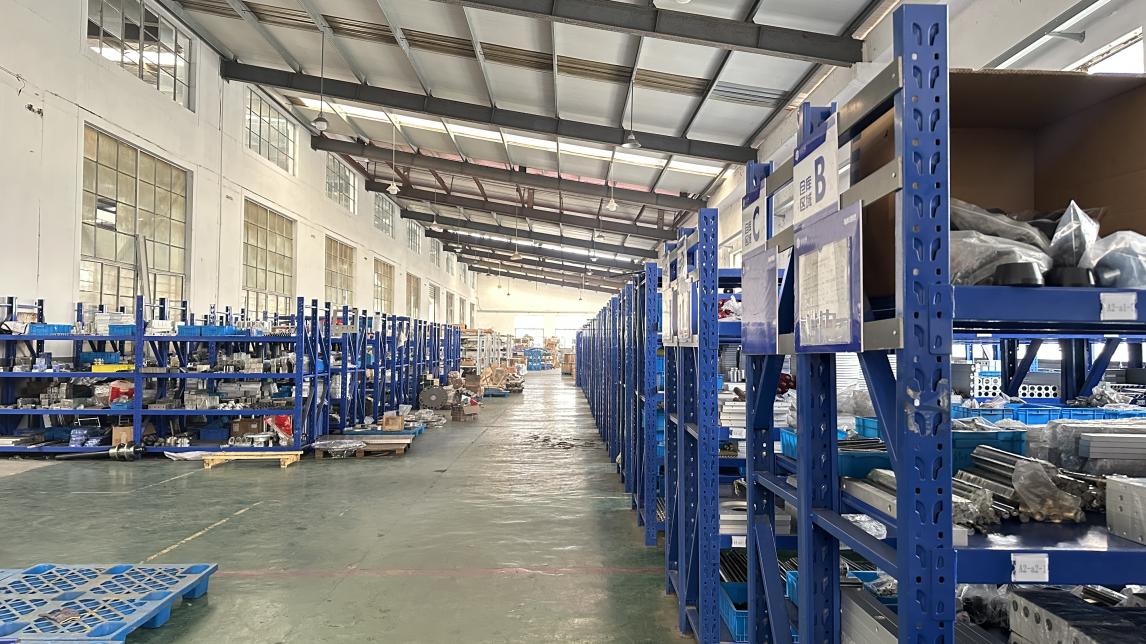
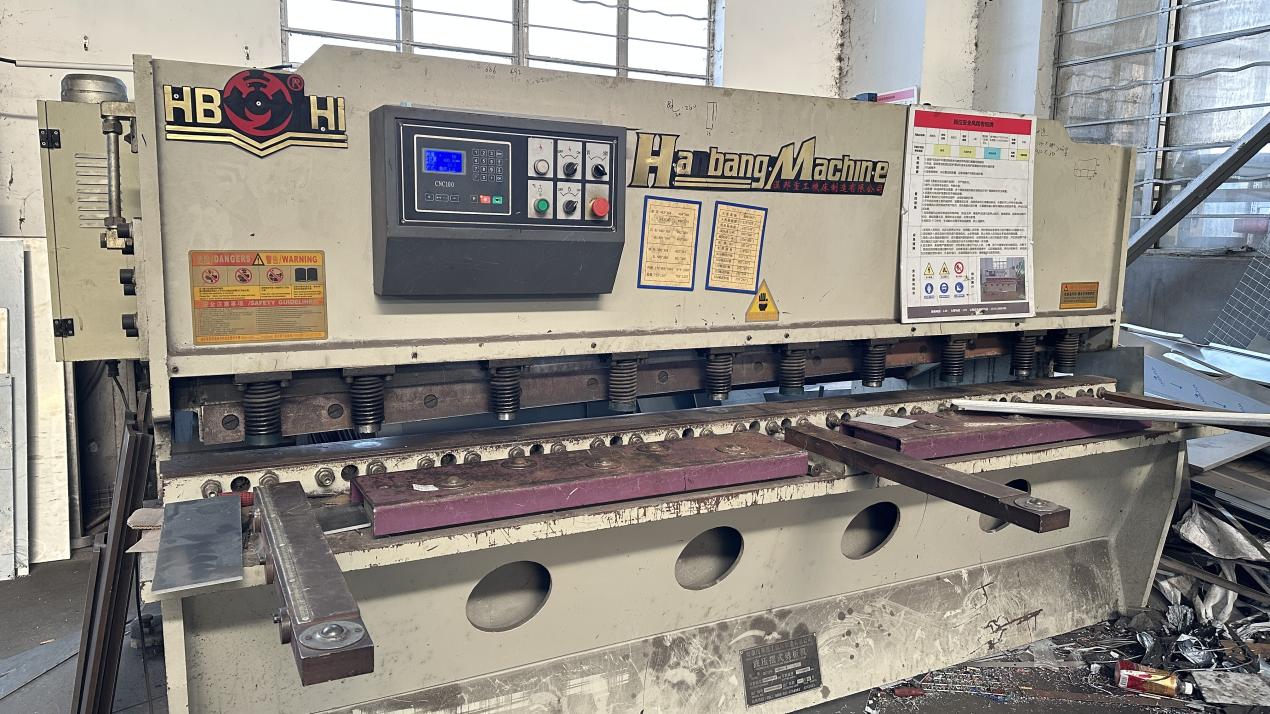
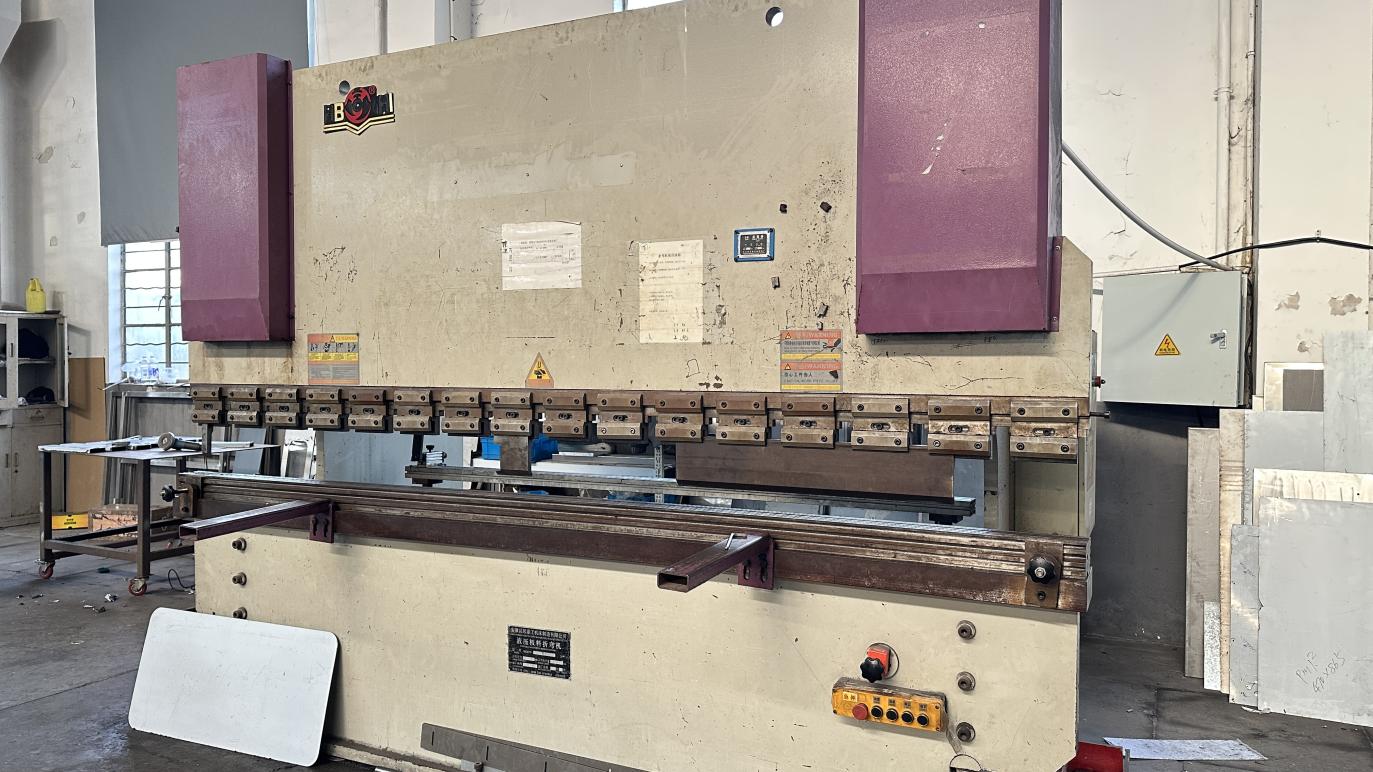
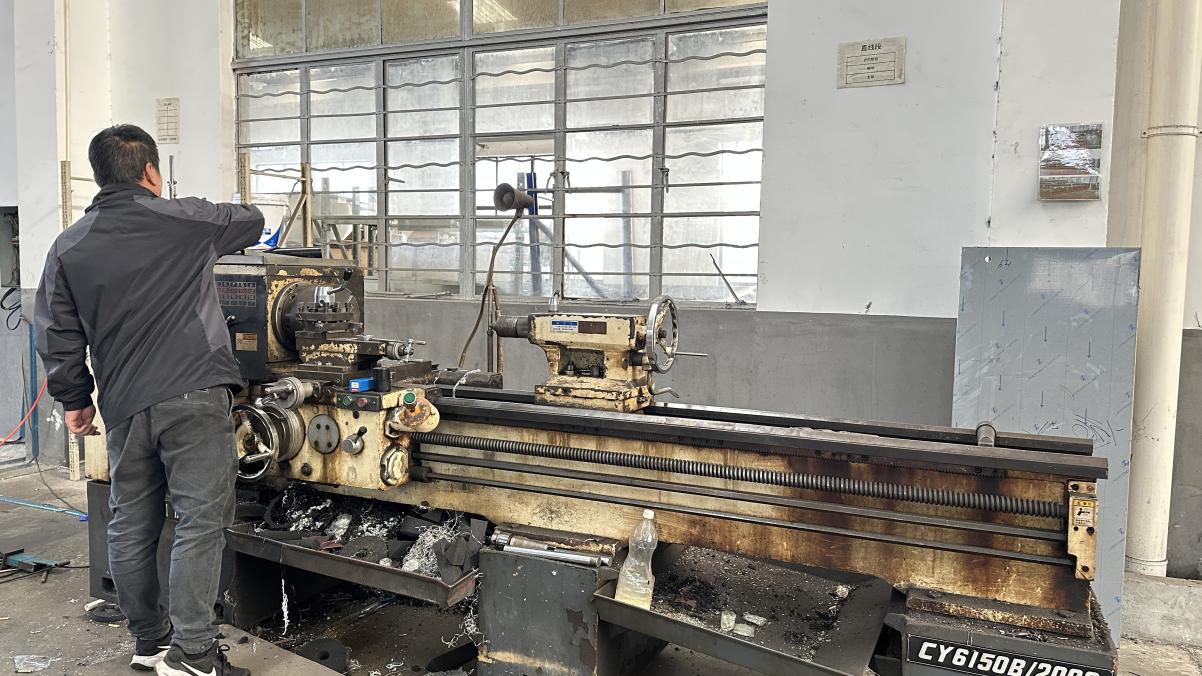
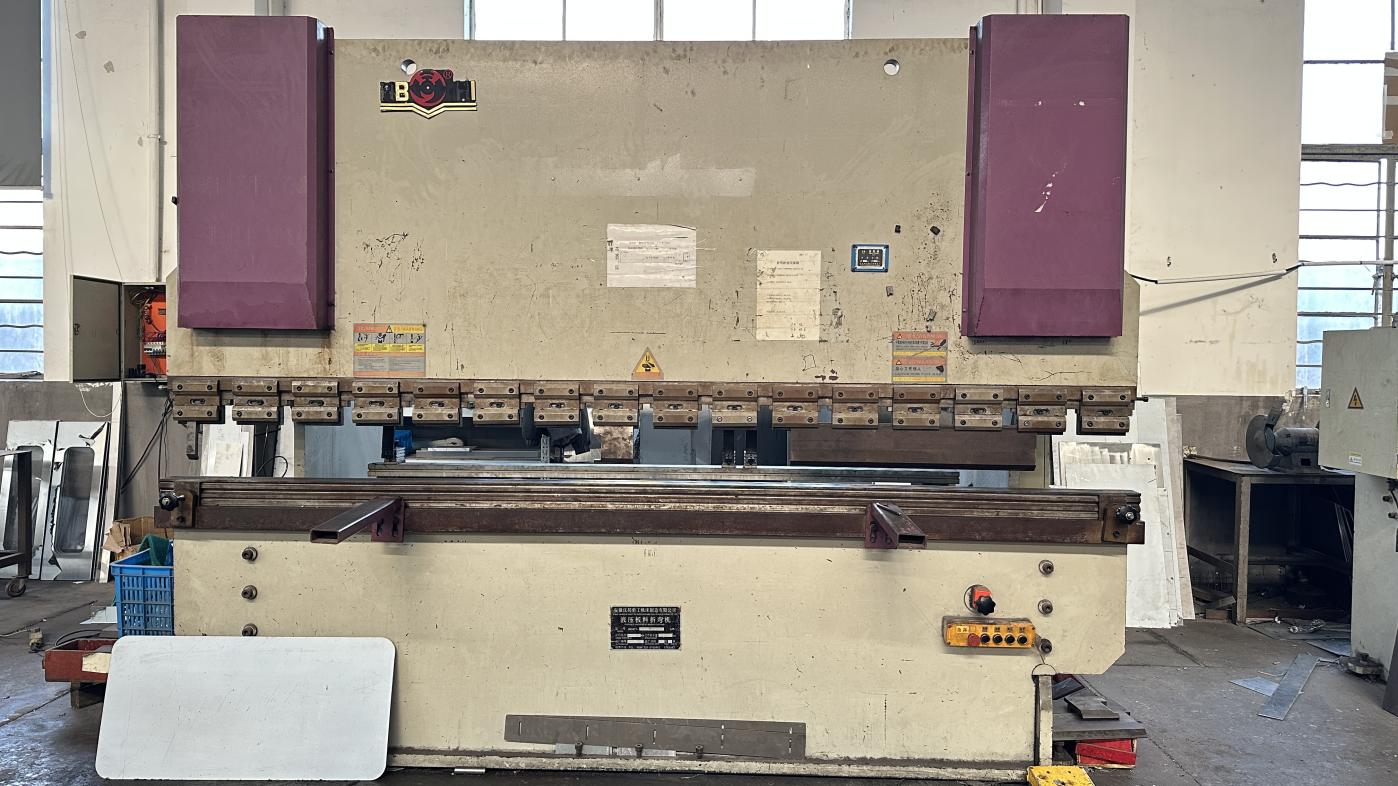
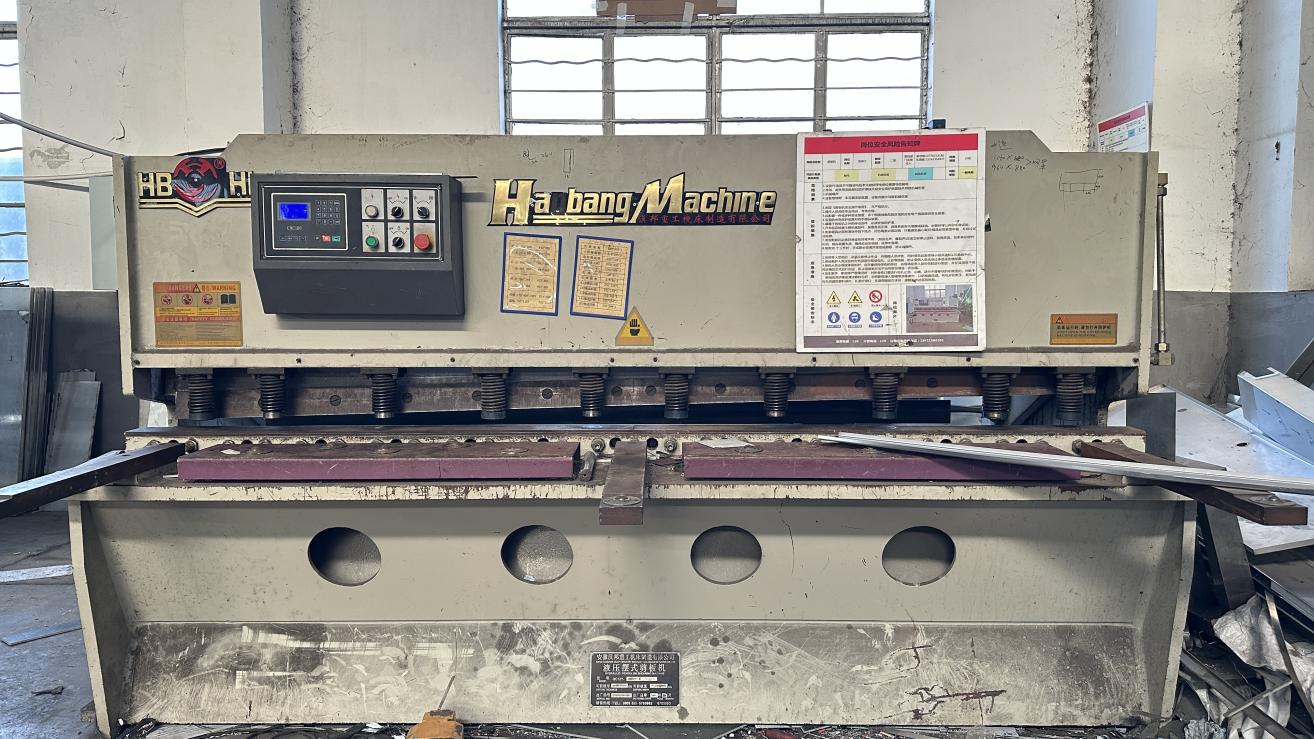
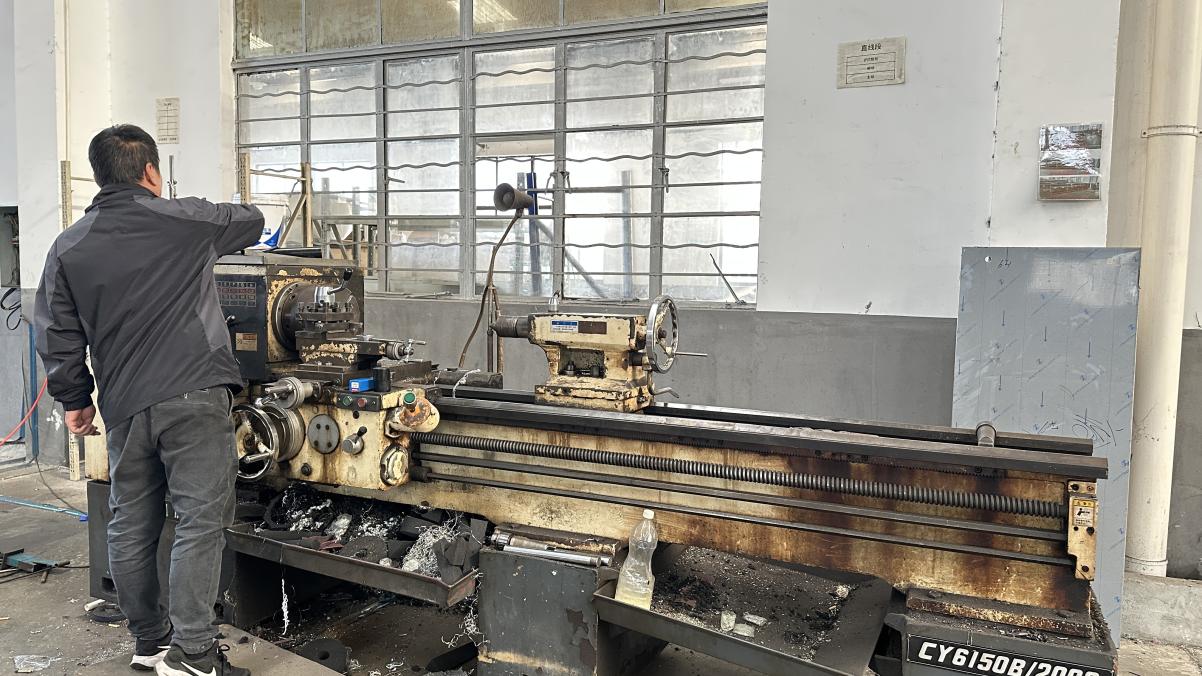
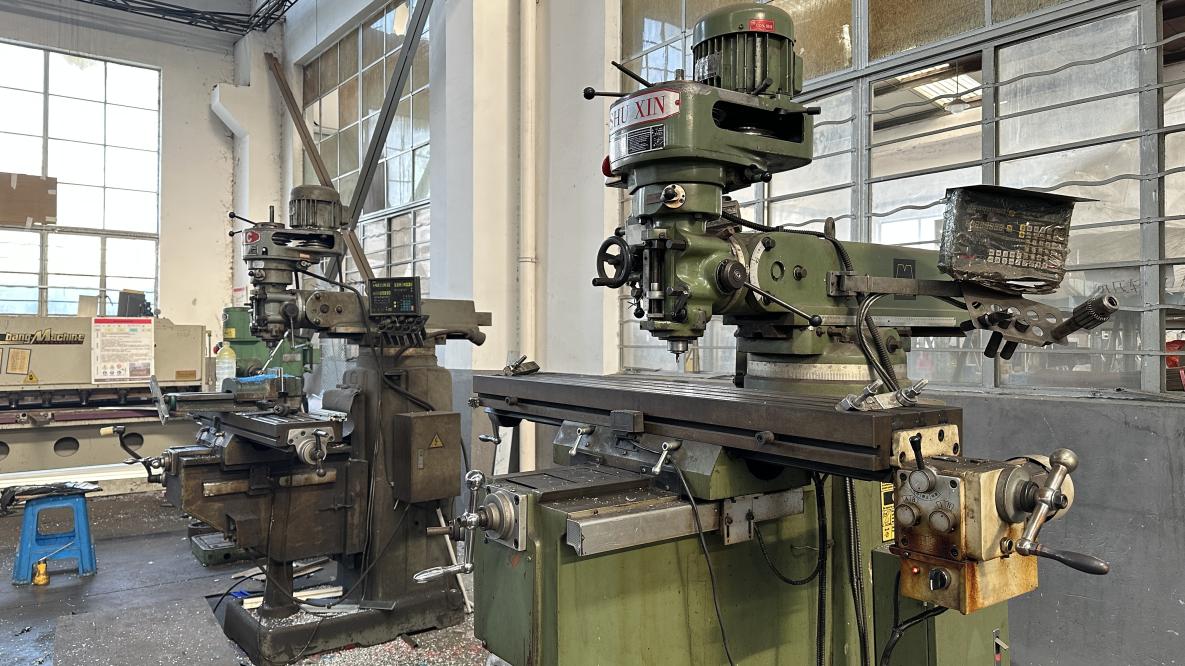
Deploying machinery globally requires strict compliance with international manufacturing and safety standards. Shanghai Jinye Machinery operates under a comprehensive quality management system, with equipment designed and manufactured in compliance with international guidelines.
Key compliance standards include:
Mandatory for the European Economic Area. This certification verifies that all electrical systems, safety guards, and mechanical parts comply with strict European directives on machinery safety and electromagnetic compatibility.
This standard governs our entire production lifecycle. It covers everything from initial steel procurement and laser cutting to final testing, ensuring that every packaging machine meets consistent performance and build standards.
For customers in North America, we configure control panels with UL-listed electrical components, meeting local building codes and simplifying the plant approval process.
The global packaging industry is undergoing rapid transformation, driven by demands for reduced energy consumption and compatibility with sustainable materials. The next generation of thermal shrink wrap machines focuses on key innovations:
First is biodegradable and thin-gauge film compatibility. Traditional packaging lines require modification to process ultra-thin or compostable films. Modern control systems use sensitive tension sensors and precise temperature adjustments to handle these materials without tearing or under-shrinking.
Second is energy-saving shrink tunnels. By optimizing air circulation and adding high-density insulation, modern tunnels reduce energy use by up to 35% compared to older designs. Predictive maintenance systems also monitor heating elements and motor vibration in real time, alerting operators to potential issues before they cause downtime.
Expert technical answers to common questions about selecting, operating, and maintaining thermal shrink wrap machinery.
High-durability sealing and wrapping solutions for modern industrial manufacturing.