Jinye Machinery
Jinye Machinery
Jinye Machinery
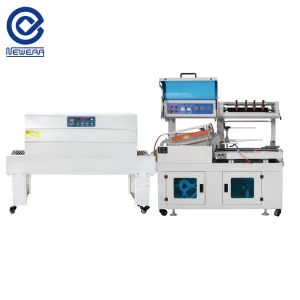
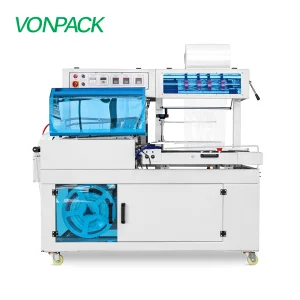
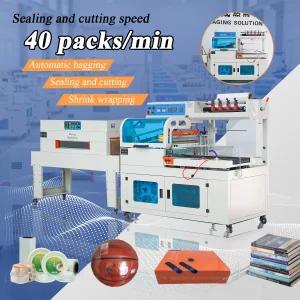
Engineered for precise, rapid product wrapping in Philippine food, cosmetics, and electronics manufacturing facilities.
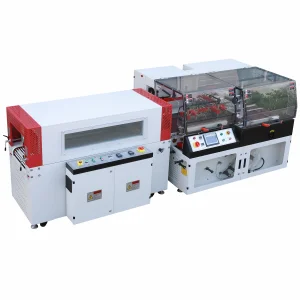
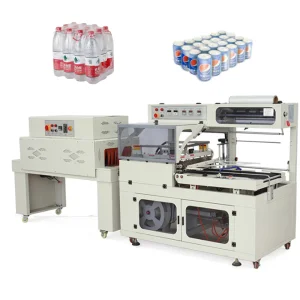
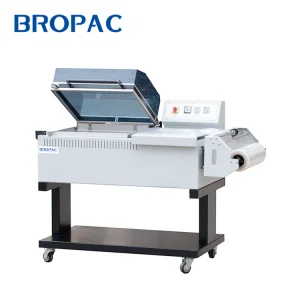
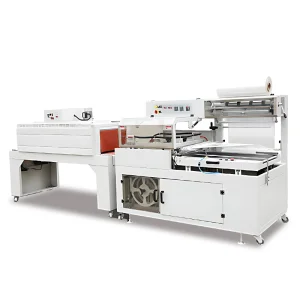
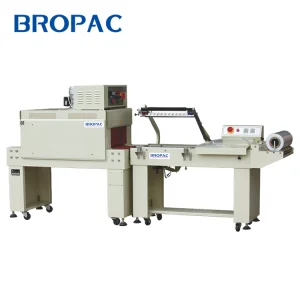
As the regional manufacturing footprint in Southeast Asia accelerates, the Philippine industrial sector is undergoing a profound structural transition. Driven by robust domestic consumer demand in urban hubs like Metro Manila, Metro Cebu, and Davao, alongside the expanding export zones across the CALABARZON region, manufacturing and packaging processes require unmatched automation upgrades. At the center of this transformation lies the packaging process: the need for reliable, high-yield, and energy-efficient L-Bar Shrink Sealers.
Historically, Philippine packaging lines relied on semi-automated or highly labor-intensive packaging setups. However, rising labor costs, volatile energy rates, and the stringent quality standards of regional export markets (such as Japan, the US, and EU) make mechanical, digital, and structural precision non-negotiable. Industrial operators must now deploy advanced heat-sealing technologies capable of running continuous shifts under tropical environmental conditions.
Deploying packaging machinery in the Philippines presents unique operational challenges that standard off-the-shelf equipment cannot withstand:
The progression of L-bar shrink sealing technology revolves around three engineering aspects: sealing blade metallurgy, motion-control integration, and thermodynamic optimization in shrink tunnels.
Conventional systems utilized simple nichrome wire heaters, which suffered from rapid oxidation and uneven heat distribution. Modern setups use premium Teflon-coated copper-alloy sealing bars integrated with proportional-integral-derivative (PID) controllers. This setup guarantees a clean cut without film buildup, smoke, or structural seal failure, even at continuous cycle speeds exceeding 2,100 pieces per hour.
Flexible packaging systems optimized for modular operations, cosmetics, electronics, and multi-spec batch processing.
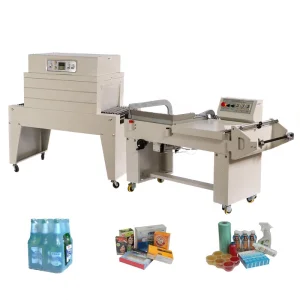
Integrating an L-bar shrink sealer into a manufacturing plant is not just about purchasing a standalone machine; it is about engineering a cohesive, macro-level workflow solution. To achieve maximum throughput, the infeed conveyors, optical alignment sensors, sealing jaw stroke, and downstream cooling sections must function as a single unit.
Enables clean multipack sealing for retail shelves, ensuring crystal-clear aesthetics, product integrity, and dust/moisture resistance during logistics handling.
Delivers ESD-compliant protective sealing with static-eliminator kits, critical for PCB and component manufacturing centers throughout Manila & Calamba industrial parks.
Provides secure, tamper-evident seals for boxes and medical trays, aligning with Philippine FDA and international GMP manufacturing standards.
Selecting the optimal equipment configuration requires balancing capital investment against target output requirements. Below is an engineering comparison matrix for decision-makers:
| Functional Parameter | Semi-Automatic Systems (e.g. FM5540, DFQA450) | Fully Automatic Systems (e.g. FQL450, Vertical L-Sealers) |
|---|---|---|
| Operator Input | Manual loading; hand-pulled frame or foot pedal control. | Zero intervention; automated sensor tracking and feeding. |
| Average Output Speed | 10 - 15 Packages Per Minute (PPM) | 25 - 45+ Packages Per Minute (PPM) |
| Film Type Versatility | PVC, POF, PE (thin gauge) | High-yield POF, LDPE, Bio-degradable Films |
| PLC Integration | Basic thermal relay controls | Integrated PLC with HMI Touchscreen (Siemens/Delta) |
| In-Line Automation Capability | Standalone workstations | Seamlessly links to upstream cartoners and downstream cartoning |
How Shanghai Jinye Machinery combines automated CNC fabrication with global quality standards to deliver high-reliability systems.
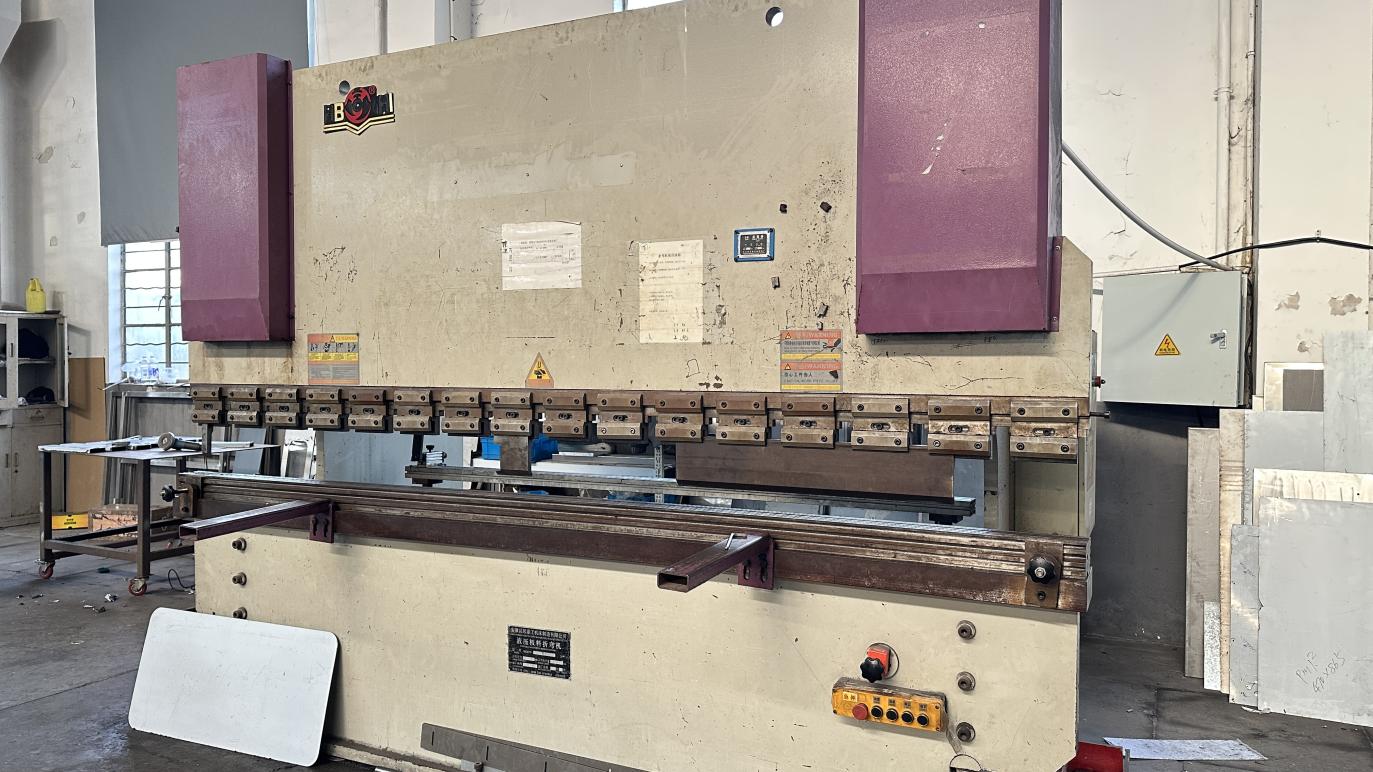
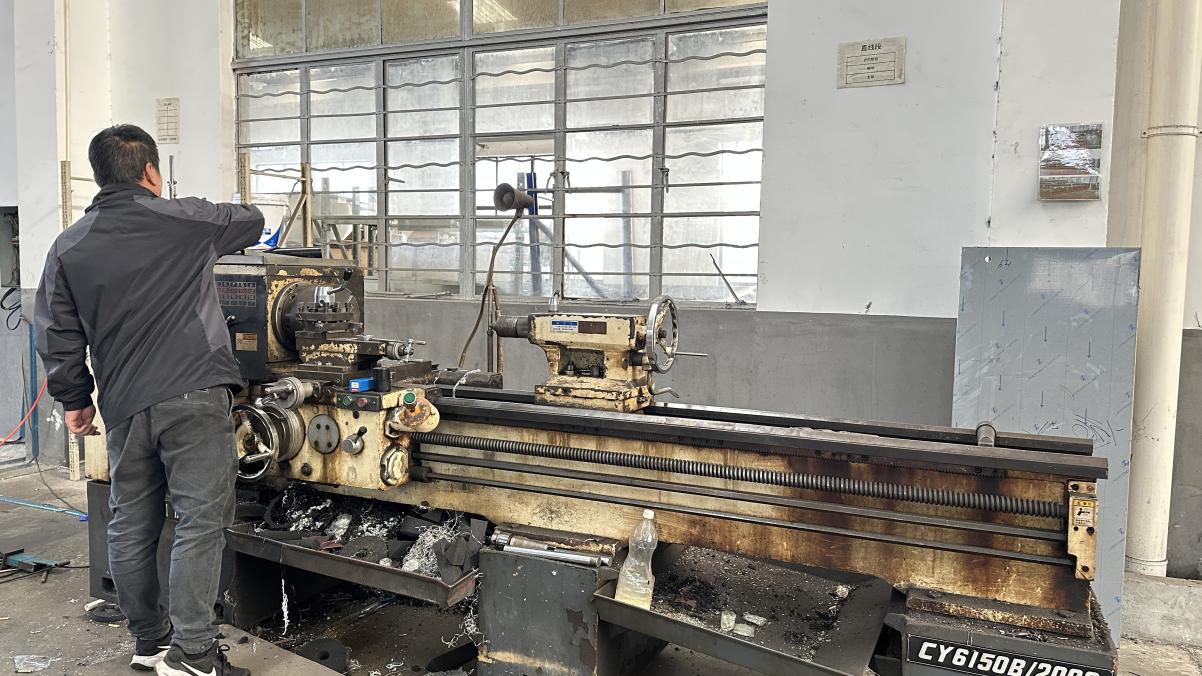
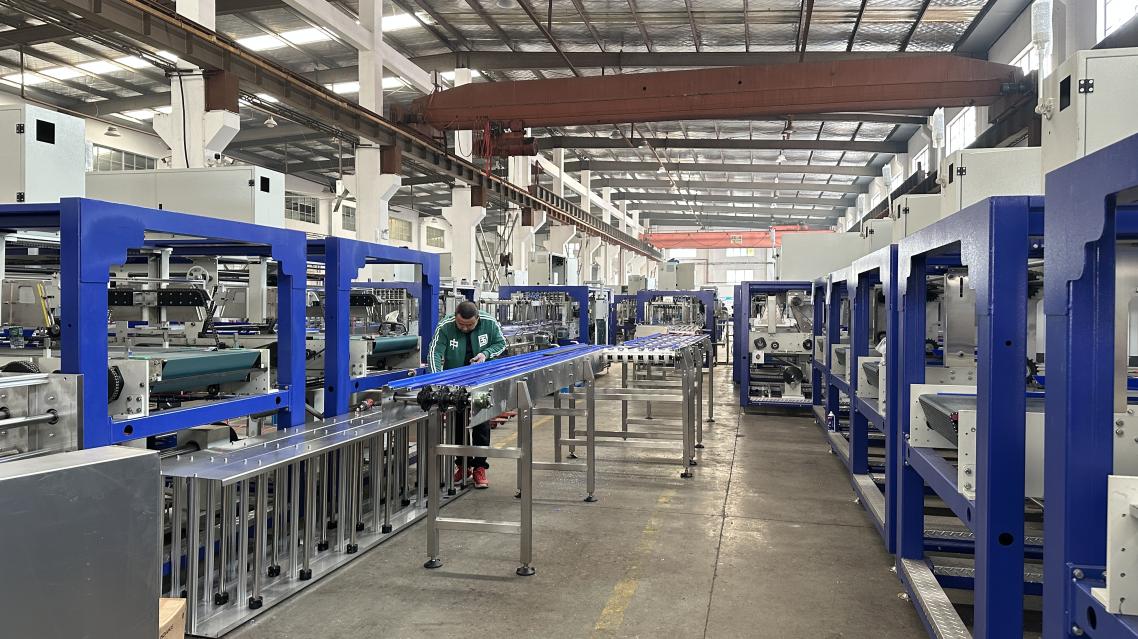
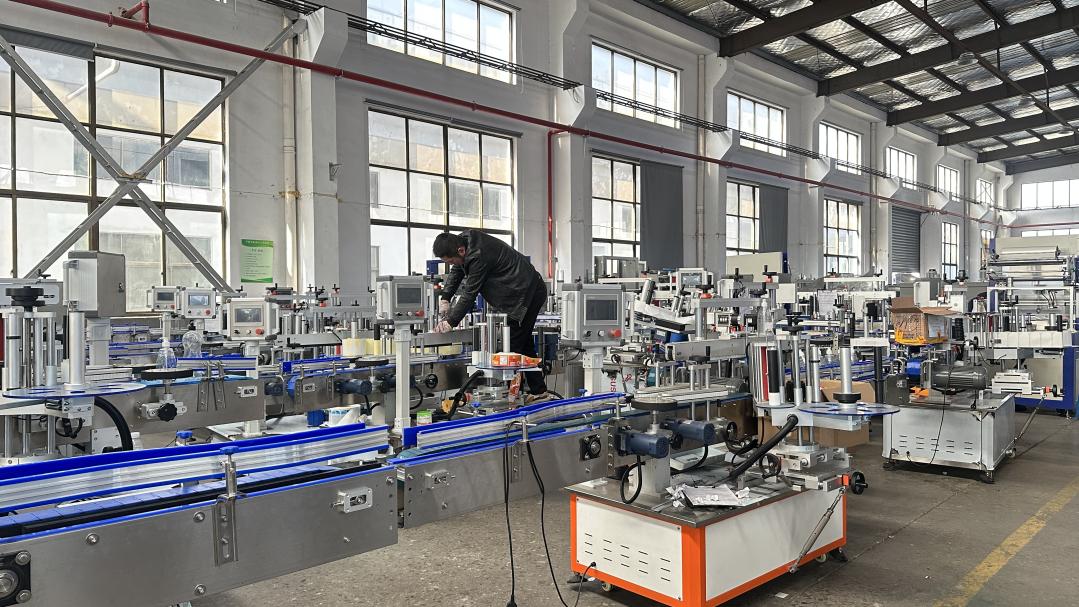
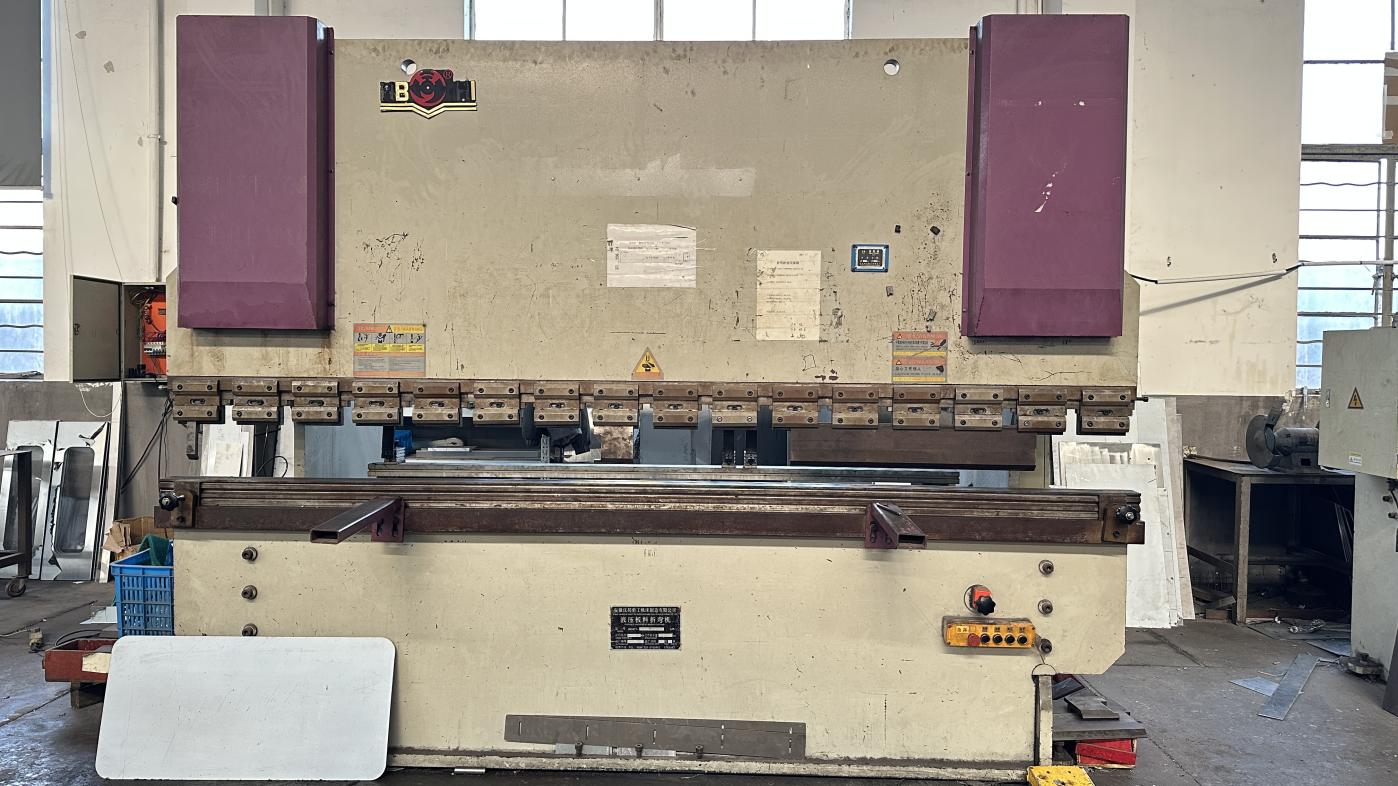
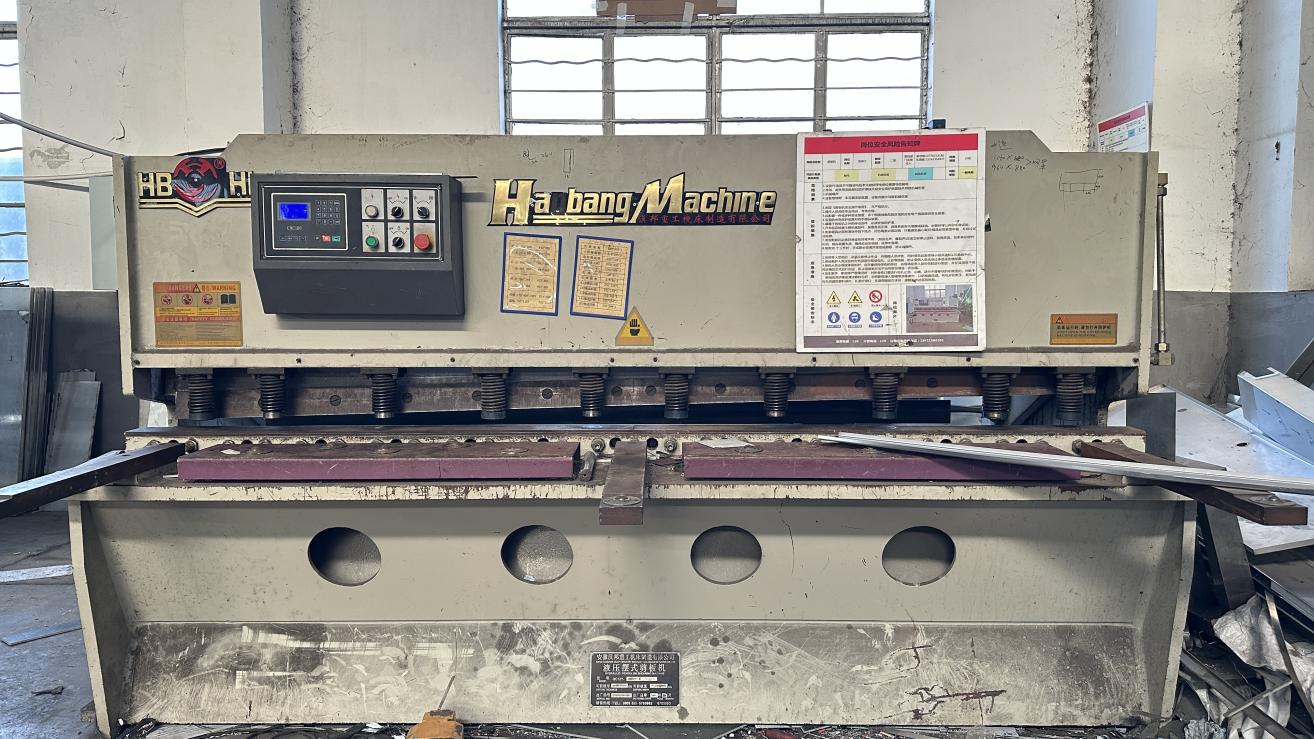
Operating a modern factory in Shanghai, China, Shanghai Jinye Machinery Co., Ltd. leverages a highly optimized supply chain. We employ CNC machining centers, high-capacity laser cutting machinery, and automatic bending systems to ensure every structural frame, guide, and sealing jaw maintains strict dimensional tolerance. This structural stability minimizes vibration and wear, extending the operating lifetime of your equipment even under continuous high-load operations.
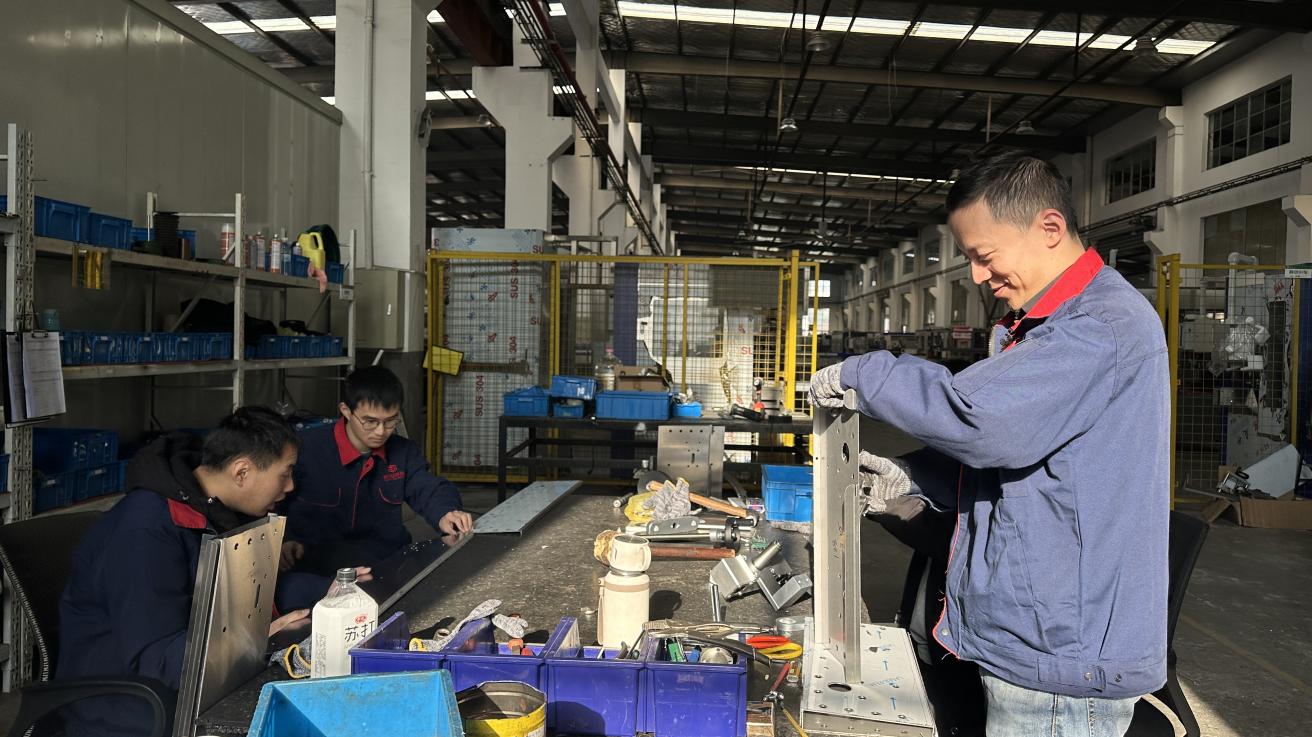
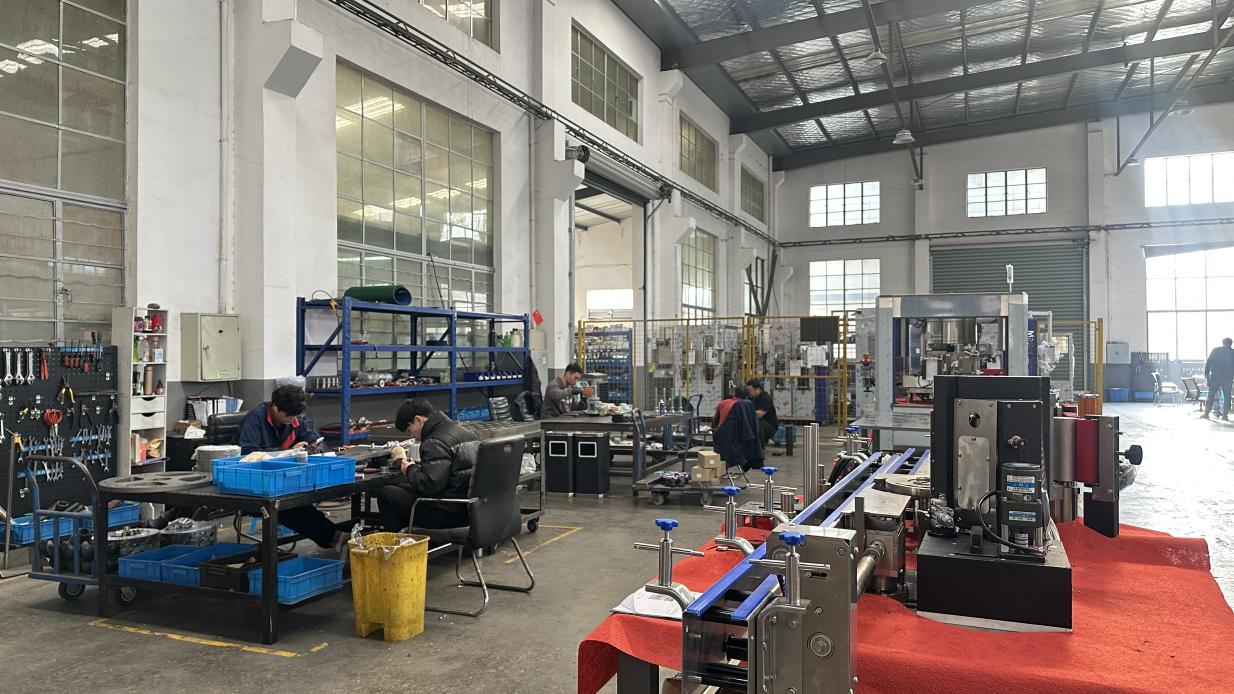
By keeping design, fabrication, assembly, electrical wiring, and quality assurance in-house, we control the assembly chain. This integration allows us to customize voltage specs to meet Philippine standards (220V/60Hz/3Phase) at the component level, avoiding the need for aftermarket step-up transformers or phase-conversion modules.
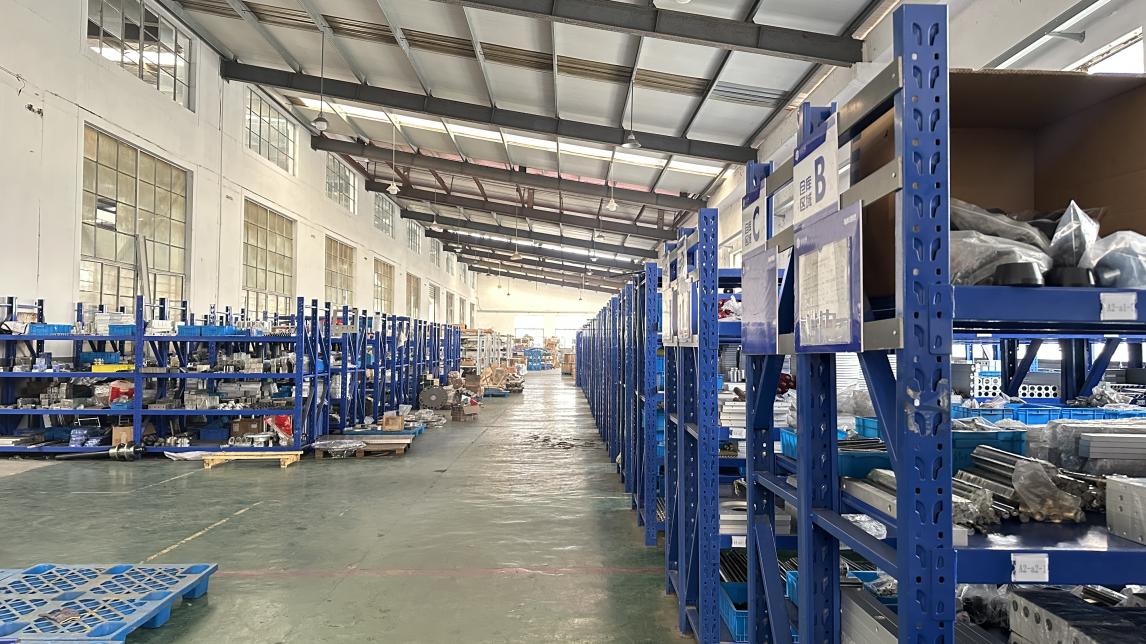
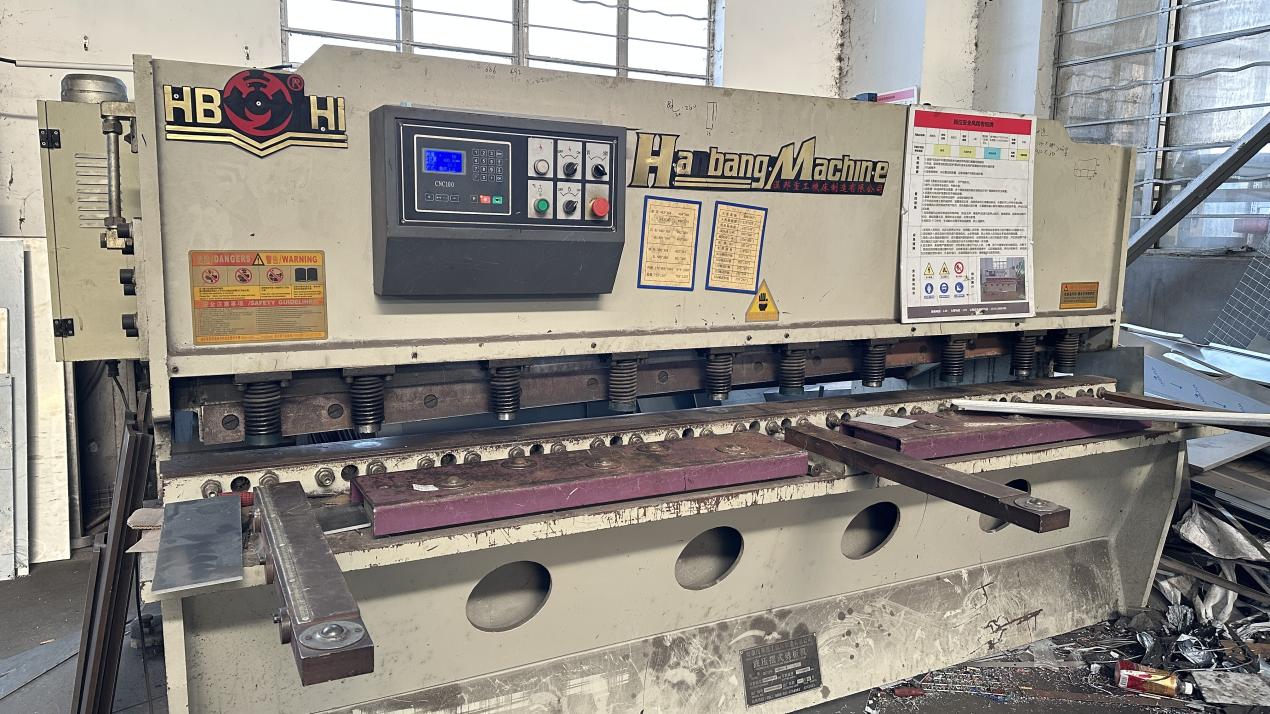
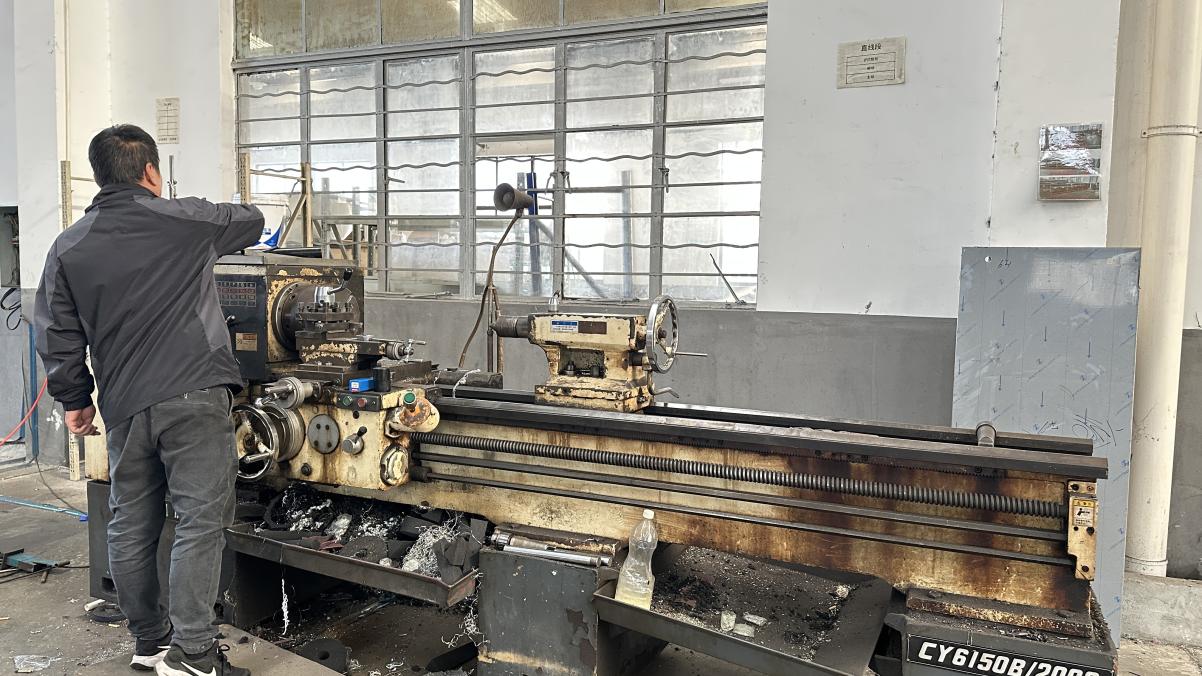
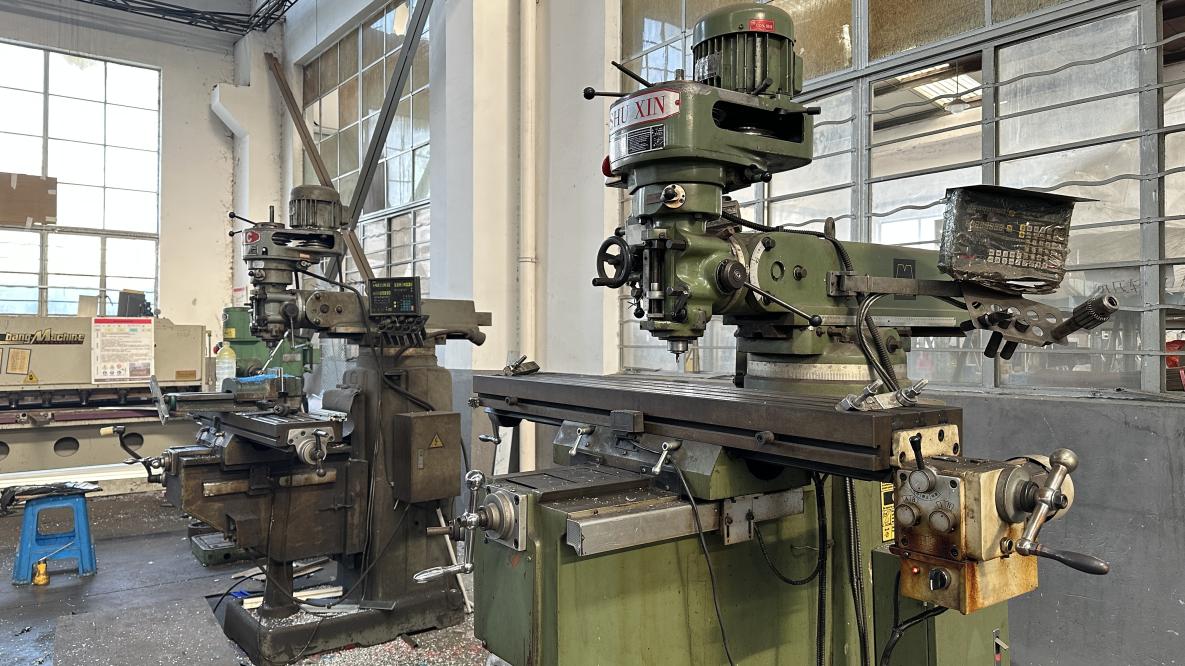
A key concern for global procurement teams when sourcing machinery from China is the availability of localized support. To solve this, Shanghai Jinye Machinery has established direct collaboration pipelines with field engineers and component distributors across Metro Manila and Central Visayas. This ensures responsive local support for our clients.
Our localized support structure includes:
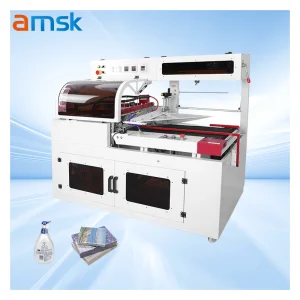
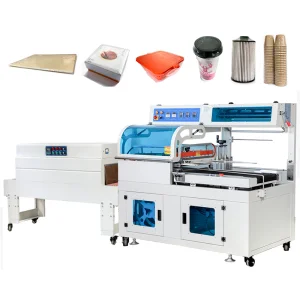
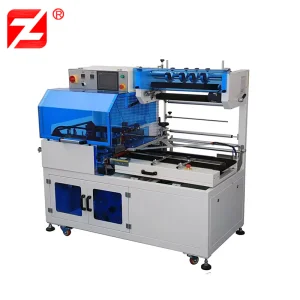
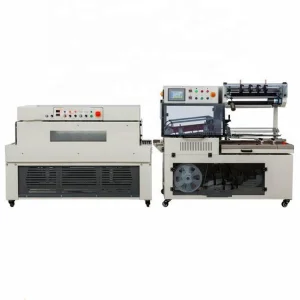
Engineered to deliver clean, consistent seals for food trays, cosmetic sets, industrial parts, and bulk logistics packaging.
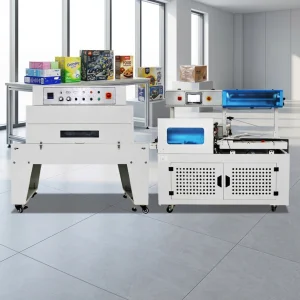
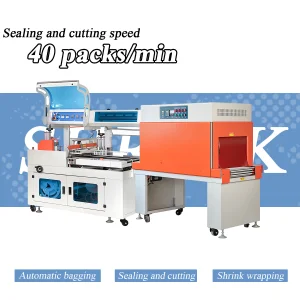
When selecting an industrial supplier for L-bar sealing machinery, procurement professionals evaluate parameters beyond the initial capital expenditure (CAPEX). Achieving long-term return on investment requires looking closely at daily operational metrics:
Detailed technical answers to help engineering, quality control, and procurement teams select the right system.
Contact Shanghai Jinye Machinery's engineering division today. Receive a custom machinery quotation, layout draft, and component configuration designed to match your production floor requirements in the Philippines.