Jinye Machinery
Navigating Space Limitations & Labor Deficits in Tokyo Ports & Distribution Hubs
As the core engine of Japan's commerce, the Greater Tokyo Area—specifically the logistics clusters in Koto-ku, Shinagawa, Ota-ku, and the surrounding Kanagawa/Chiba industrial corridors—faces an unprecedented dual challenge: skyrocketing warehousing rents per square meter and the acute labor shortage induced by the "2024 Logistics Problem" (2024年問題). With overtime limits capped for commercial drivers, dispatch centers must slash truck loading turnaround times. Standardizing pallets and wrapping them with machine-grade precision is no longer optional; it is the cornerstone of operational viability.
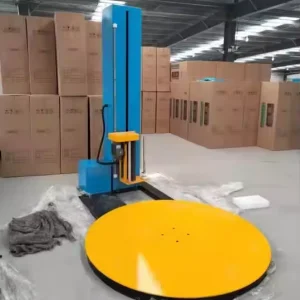
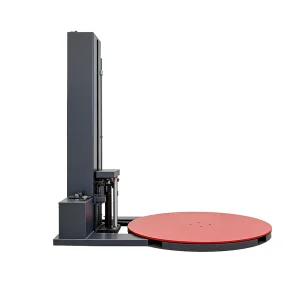
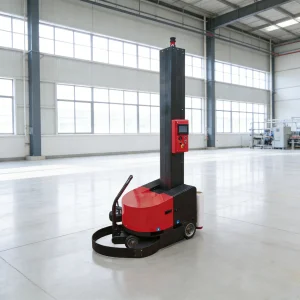
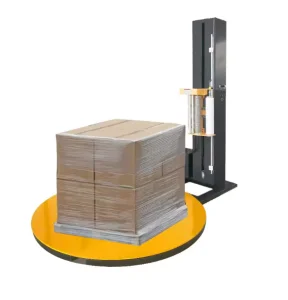
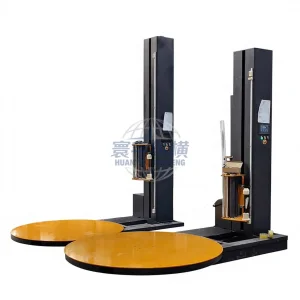
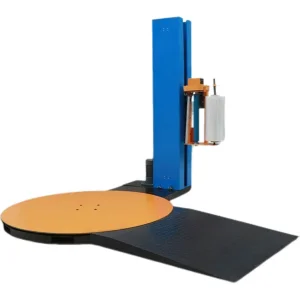
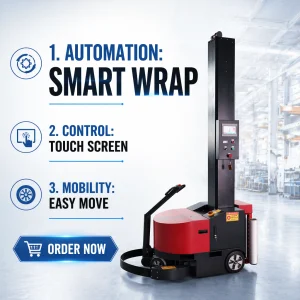
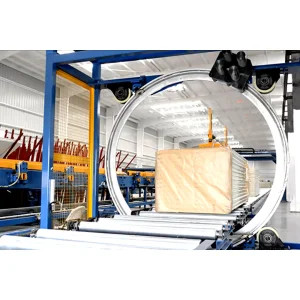
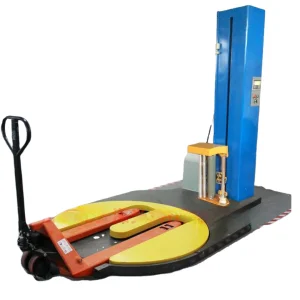
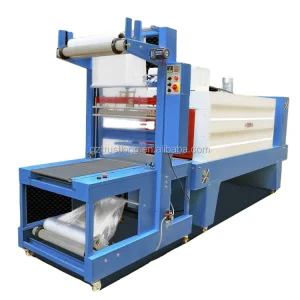
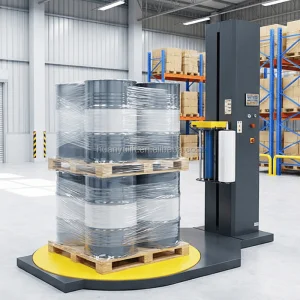
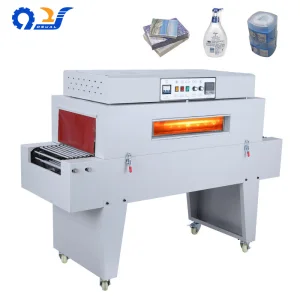
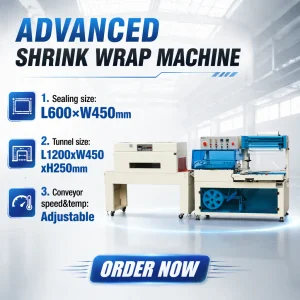
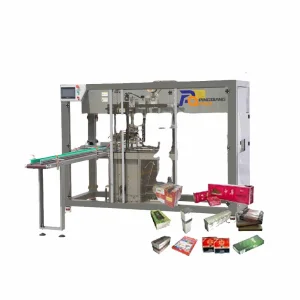
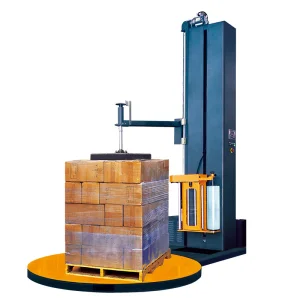
Palletized loads bound for Tokyo Bay container terminals or Haneda Air Cargo must comply with rigorous Japanese Industrial Standards (JIS). Loose film tails, inconsistent wrap tension, or unstable pallet stacks trigger immediately rejected shipments, costly manual re-work, and safety hazards in automated storage systems (ASRS). Integrating automated pallet shrink and stretch wrapping machines is the primary strategy for modern Japanese distribution facilities to eliminate manual labor bottlenecks and achieve structural transit safety.
With high energy and material costs in Japan, transitioning from manual hand wrapping to 250%-350% power pre-stretch carriages reduces LLDPE film consumption by up to 55% per pallet, delivering rapid return on investment (ROI) within 8 to 14 months.