Jinye Machinery
Jinye Machinery
Jinye Machinery
Industrial machinery engineered to maximize OEE (Overall Equipment Effectiveness), reduce energy footprint, and streamline packaging operations.
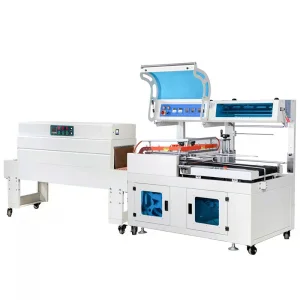
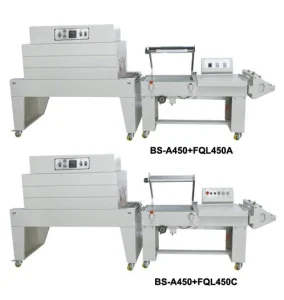
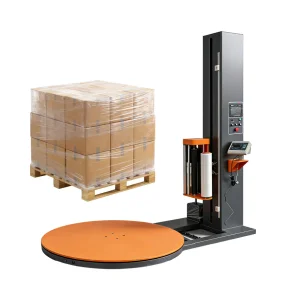
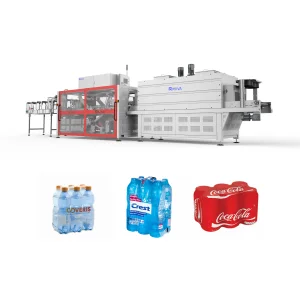
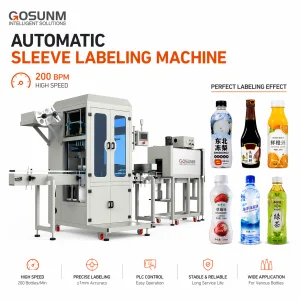
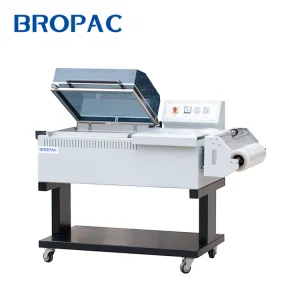
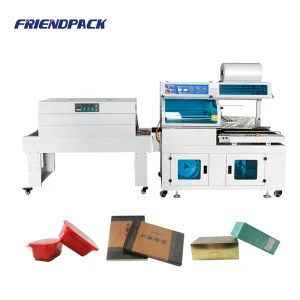
In modern industrial manufacturing and global supply chains, secondary and tertiary packaging play a crucial role in safeguarding products, optimizing logistics efficiency, and reducing operational overhead. Heat shrink bundling and wrapping technologies stand at the forefront of this industrial revolution. No longer viewed simply as a means of enclosing products, advanced shrink bundling is dynamic—designed to withstand shipping vibrations, prevent tampering, resist moisture, and maintain load stability across complex international shipping networks.
Across the globe, industrial packaging standards are rapidly shifting. Market intelligence suggests that the global shrink wrap packaging machinery market is experiencing significant growth, driven by expansion in the food, beverage, pharmaceutical, and consumer goods sectors. Simultaneously, the rise of e-commerce logistics, combined with strict regulations aimed at minimizing single-use packaging and optimizing plastic film thickness, has compelled manufacturing plants to upgrade to intelligent, high-efficiency machinery.
Historically, secondary packaging relied heavily on heavy corrugated boxes or manual hand wrapping. While effective, these methods incurred high labor costs, wasted floor space, and left a large environmental footprint. Today, automated heat shrink systems offer high-speed, cost-effective alternatives. Using advanced plastics like Polyolefin (POF), Polyethylene (PE), and Polyvinyl Chloride (PVC), modern shrink wrapping machines apply calculated heat to form a tight, puncture-resistant sleeve around the product.
Looking ahead, the sector is moving toward complete digitalization. Forward-thinking manufacturers are integrating IoT monitoring, real-time diagnostic systems, and energy-conserving thermal recirculation tunnels. This ensures that energy, rather than escaping into the factory, is redirected within the tunnel to minimize power consumption—directly supporting corporate sustainability initiatives.
Recirculating airflow designs maintain consistent internal temperatures, reducing electrical power usage by up to 35% compared to legacy thermal tunnels.
Advanced constant-heat cutting elements ensure clean seal seams, reducing material wastage and eliminating the smoke generated by older impulse wires.
Seamlessly handles various film types and thicknesses, allowing production lines to quickly switch between thin POF films and heavy PE films.
Heat shrink bundling is a versatile packaging method used across many manufacturing sectors. Below are key applications where this technology drives efficiency and security:
A decade of precision manufacturing and technological innovation, delivering automated packaging systems to global industries.
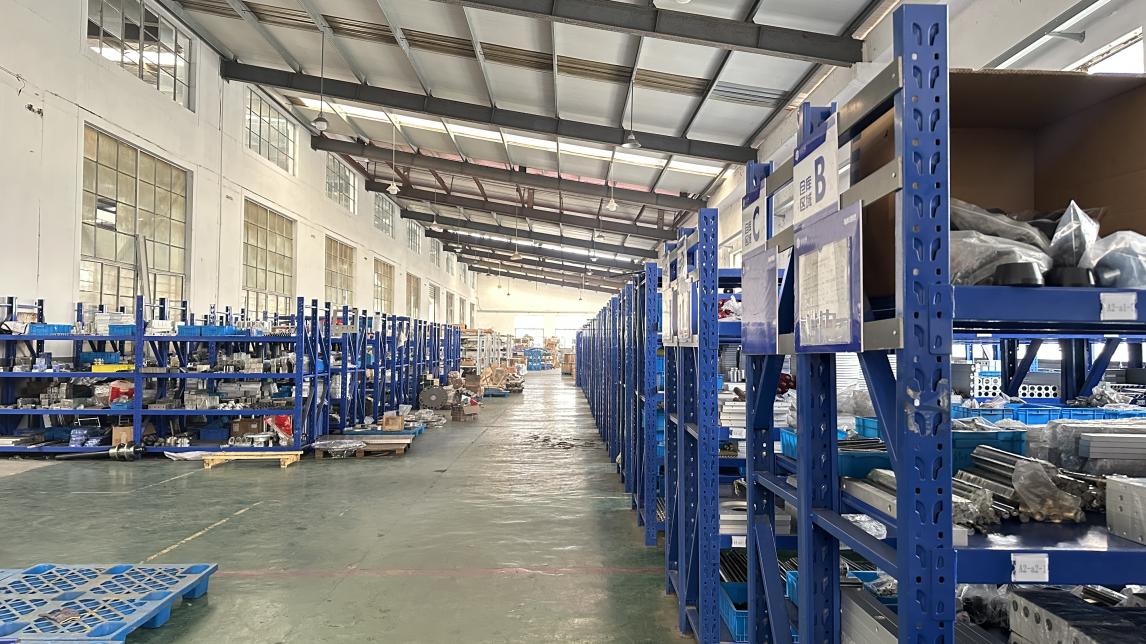
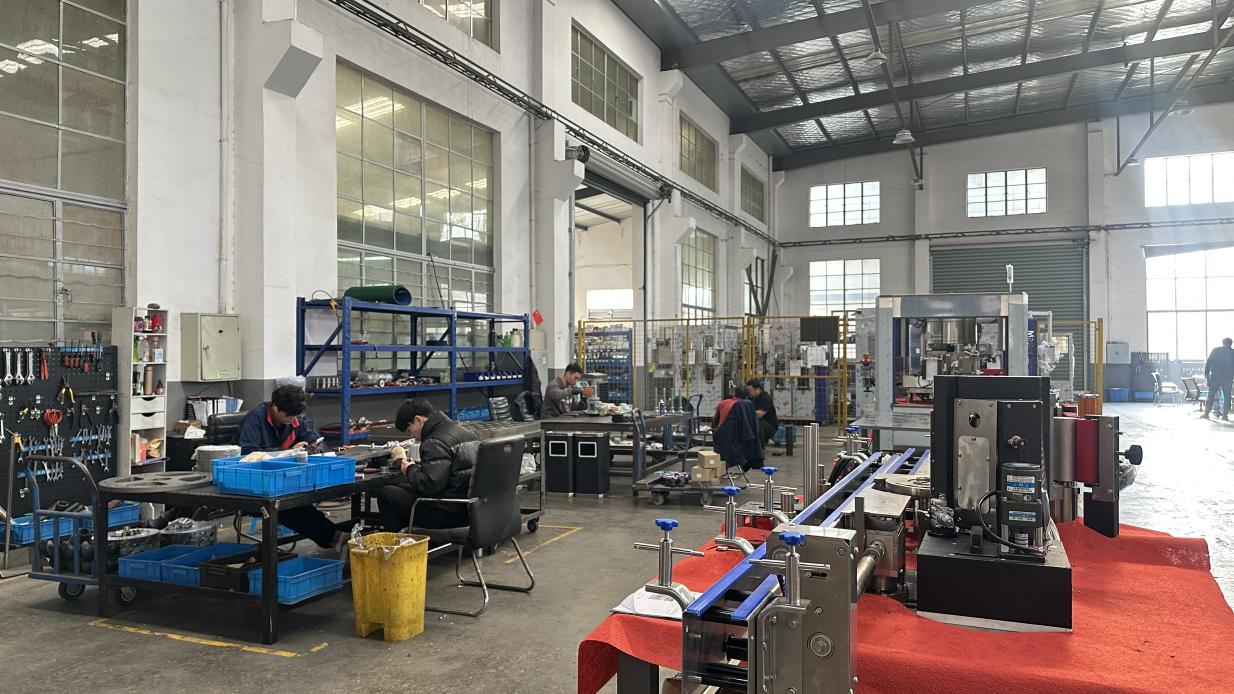
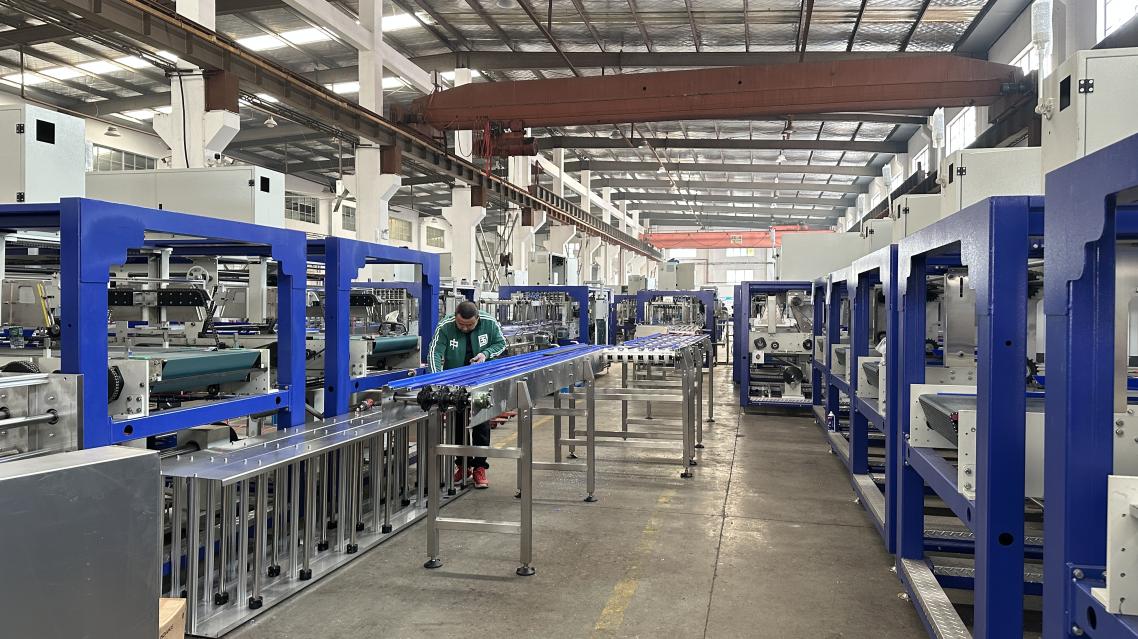
Shanghai Jinye Machinery Co., Ltd. is a professional manufacturer specializing in the research, development, design, production, and service of advanced packaging machinery. Headquartered in Shanghai, China, the company has established a modern manufacturing base equipped with advanced processing facilities and strict quality management systems, enabling us to deliver reliable and efficient packaging solutions to customers worldwide.
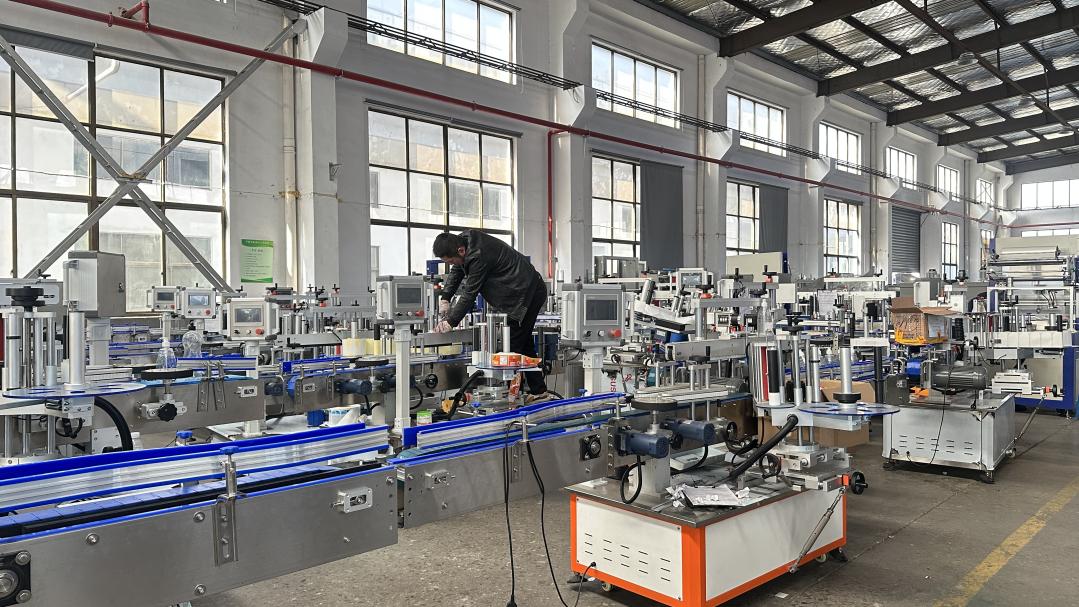
Founded with a commitment to innovation and customer satisfaction, Shanghai Jinye Machinery has accumulated extensive experience in the packaging machinery industry. Our main products include hooding machines, shrink wrapping machines, sleeve wrapping machines, automatic packaging lines, pallet packaging systems, and other customized packaging equipment. Our solutions are widely applied in the beverage, food, dairy, pharmaceutical, chemical, personal care, household products, logistics, and industrial manufacturing sectors.
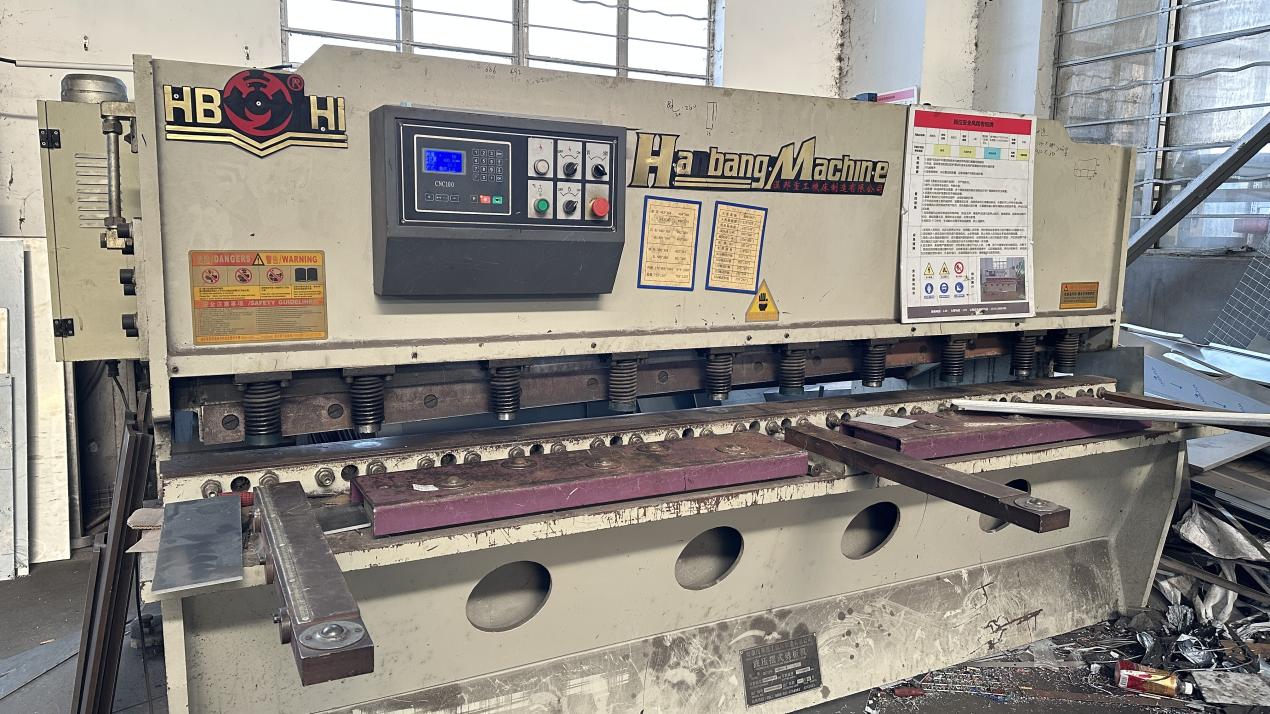
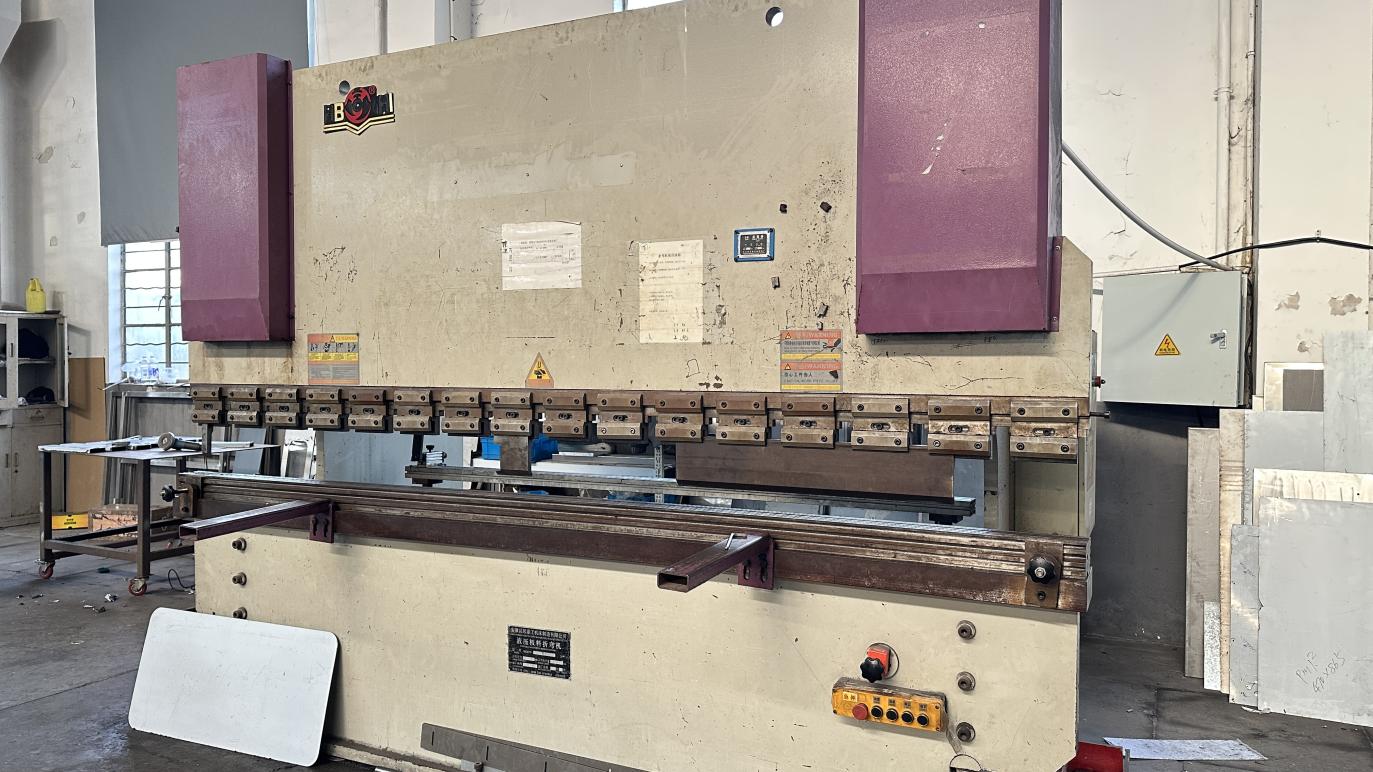
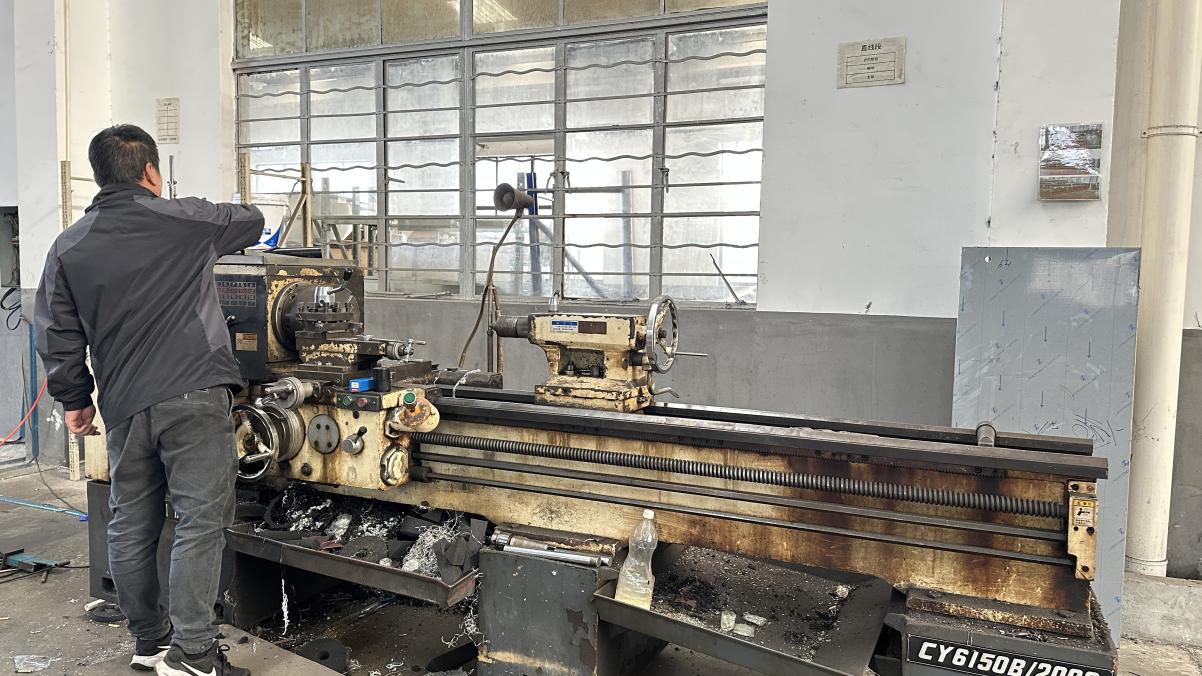
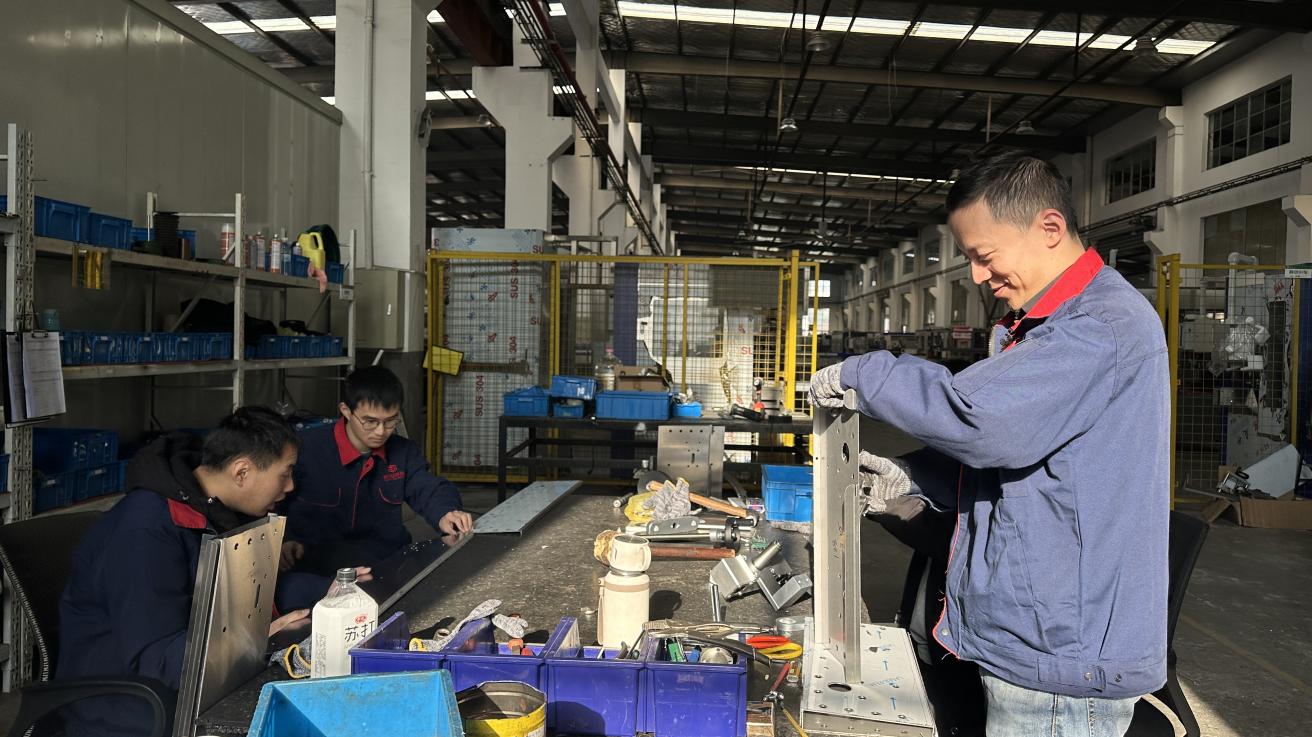
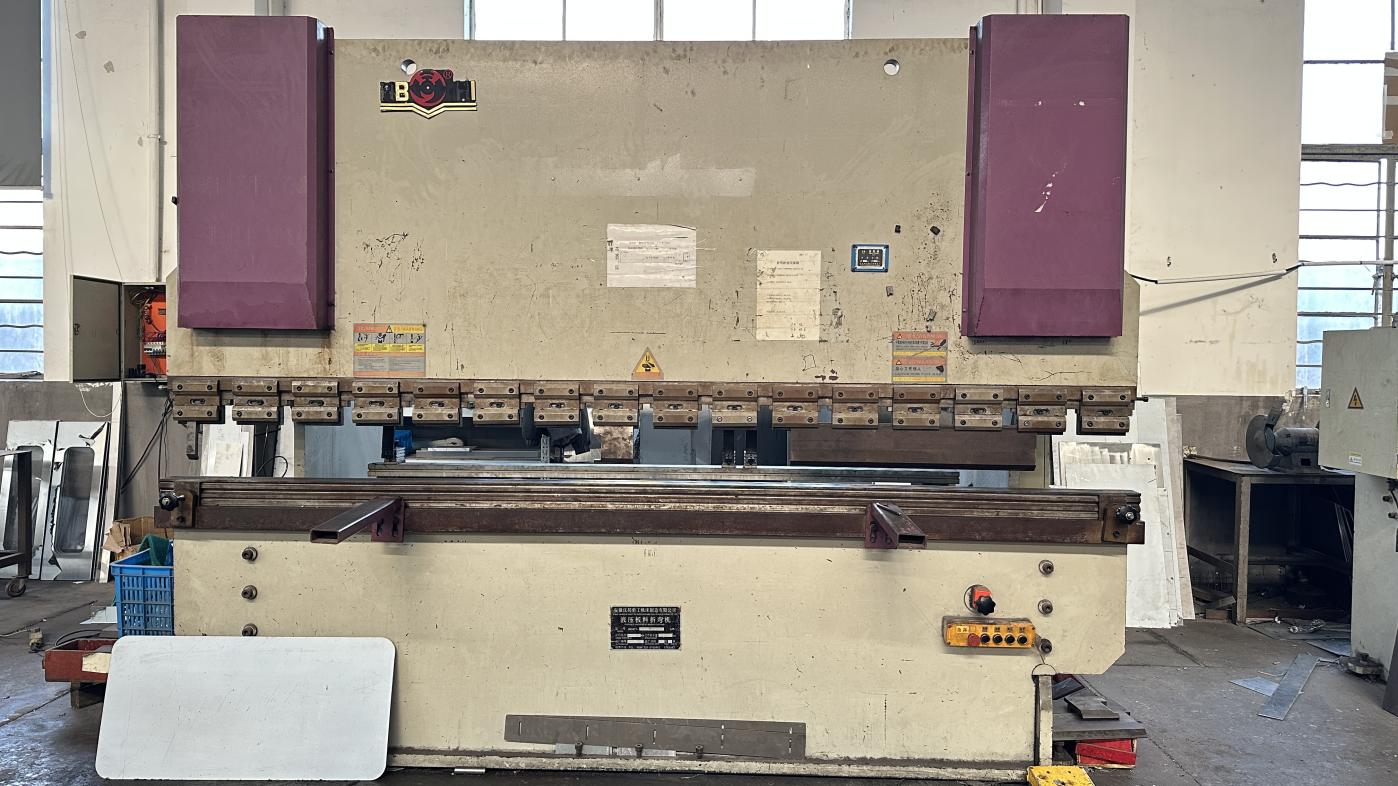
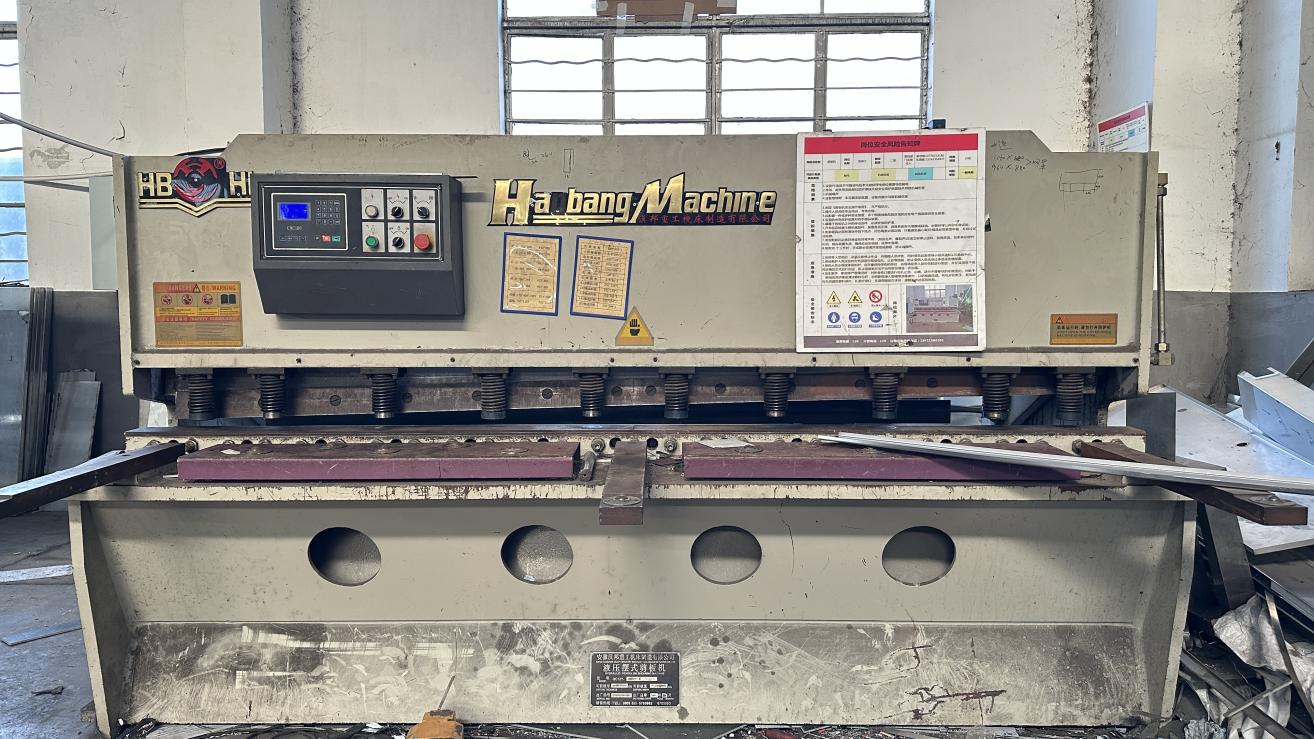
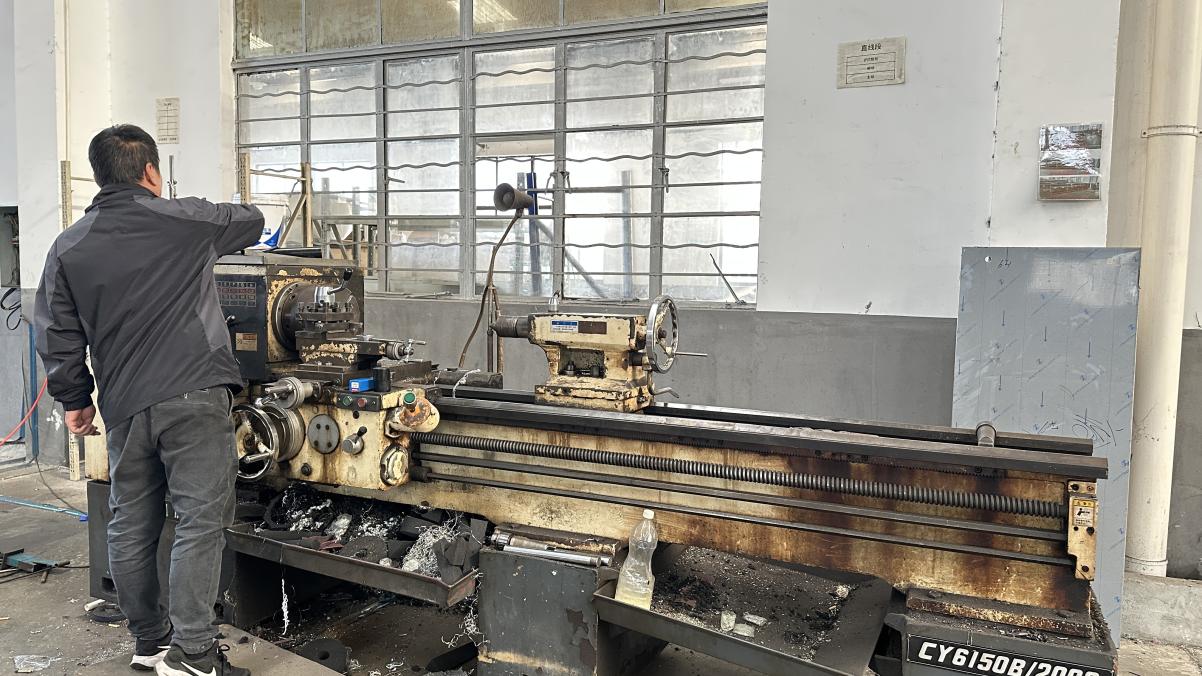
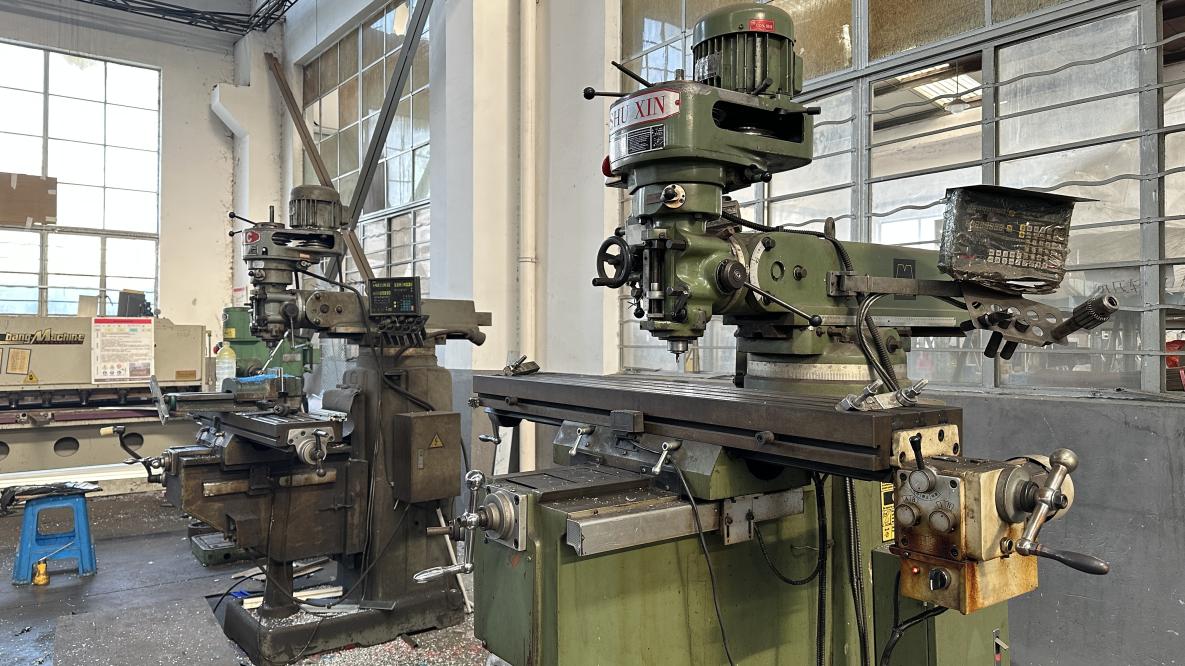
Driven by continuous technological innovation, Shanghai Jinye Machinery integrates sales, research and development, mechanical design, precision manufacturing, electrical engineering, assembly, commissioning, quality inspection, and after-sales service into a complete one-stop operation. We continuously invest in advanced CNC machining centers, laser cutting equipment, precision bending machines, and modern manufacturing technologies to ensure high precision, stable performance, and excellent product quality.
Quality is at the core of everything we do. Our manufacturing process is carried out under a comprehensive quality management system, and our equipment is designed and manufactured in compliance with international standards. We are committed to providing safe, efficient, energy-saving, and intelligent packaging solutions that help customers improve production efficiency, reduce labor costs, and enhance packaging quality. Understanding that every production line has unique requirements, Shanghai Jinye Machinery offers customized engineering solutions tailored to customers' production capacity, factory layout, packaging specifications, and automation needs. We also provide professional OEM and ODM manufacturing services for international partners and well-known brands.
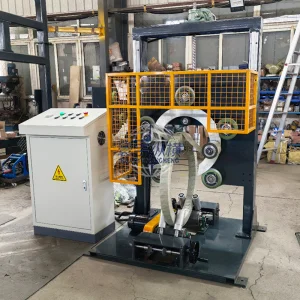
Our workshop houses high-precision machinery, turning raw steel into automated packaging systems through rigorous processing phases.
Expert answers to common engineering and operational questions regarding heat shrink systems.
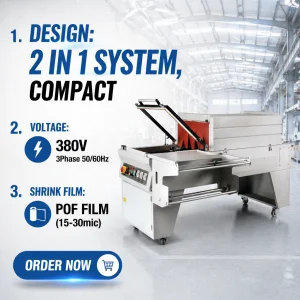
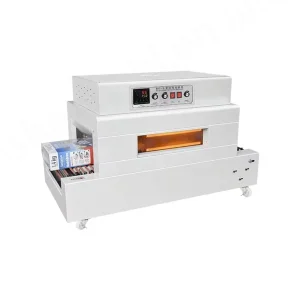
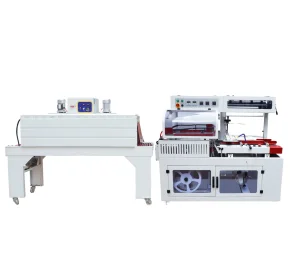
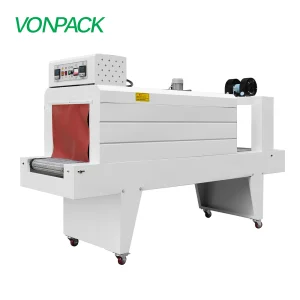
Complete your end-of-line packaging setup with our range of high-capacity wrappers and heat tunnels.