Jinye Machinery
Jinye Machinery
Jinye Machinery
High-speed, energy-efficient shrink wrapping systems custom-calibrated for high-throughput automation plants.
Analysis of regional supply chains, technical evolutions, and sustainability benchmarks.
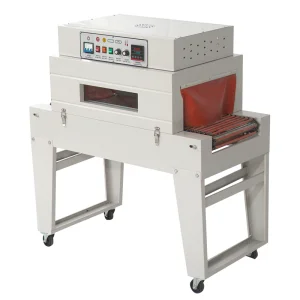
As the capital of Aichi Prefecture, Nagoya sits at the center of Japan’s manufacturing engine. The region requires highly sophisticated logistics and packaging equipment to serve global supply chains. Historically dominated by automotive tier-one suppliers, precision tool makers, and electronics manufacturers, Nagoya's packaging requirements have shifted toward 100% duty-cycle machinery. Heat shrink tunnels used here must handle demanding throughput targets while achieving micrometric precision to protect sensitive electrical harnesses, cast mechanical components, and heavy-duty structural parts.
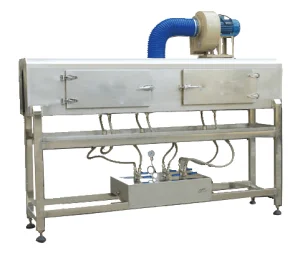
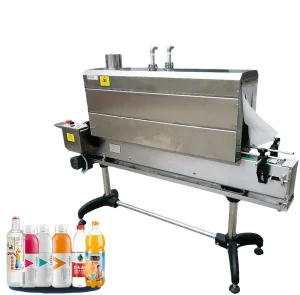
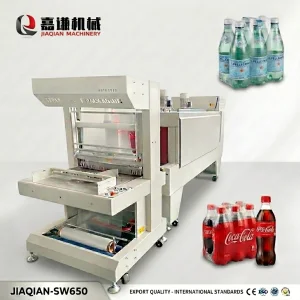
Additionally, the Chubu food and beverage sector demands high-capacity steam shrink tunnels capable of managing contoured glass and PET bottles. Standard heat shrink systems fail to deliver the flawless label application required by Japanese consumers. Shanghai Jinye Machinery provides specialized dual-chamber steam tunnels engineered to yield distortion-free labels even on extreme bottle geometries.
Globally, the transit packaging industry is undergoing a transition driven by carbon reduction directives and automated warehousing integration. In Nagoya's logistics hubs, shrink-wrapped pallets must comply with automated storage and retrieval systems (ASRS) tolerances. Unstable or unevenly shrunk film causes system faults and shuts down lines.
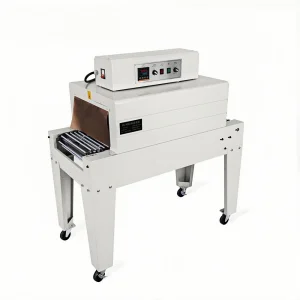
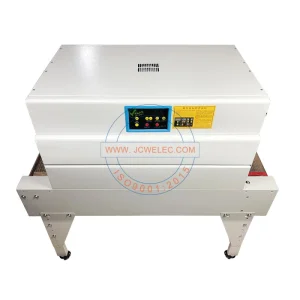
Furthermore, Japan's strict Containers and Packaging Recycling Act exerts massive pressure on local operations to minimize film thickness. Modern shrink tunnels must run ultra-thin POF (polyolefin) and bio-based PLA films without burning or tearing. Our engineering team addresses this by developing sophisticated laminar airflow models, ensuring uniform heat distribution inside the tunnel chamber.
Engineered for precise film control, rapid changeovers, and continuous manufacturing shifts.
An overview of upcoming innovations in heat transfer efficiency, automation integration, and carbon-neutral packaging.
Older generation tunnels lose up to 40% of their heat through convective radiation. Next-gen systems integrate dual-layered vacuum insulation panels alongside specialized air knives. This recirculates up to 90% of the internal hot air, drastically lowering electricity costs in industrial plants.
Modern assembly plants in Nagoya require real-time status feeds to manufacturing execution systems (MES). Our current control architectures incorporate OPC-UA communication protocols. This enables engineers to monitor heater status, belt speeds, and cycle times remotely, facilitating predictive maintenance.
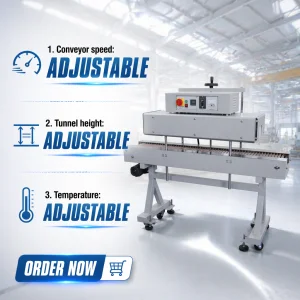
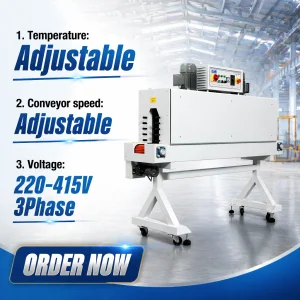
VFD systems synchronize the conveyor speed perfectly with upstream capping and cartoning equipment. By optimizing acceleration and deceleration profiles, we prevent light glass or PET bottles from falling over, minimizing waste and machine downtime.
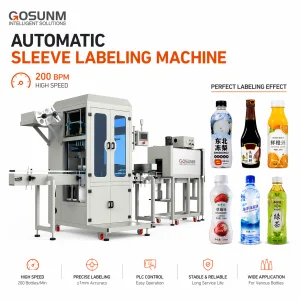
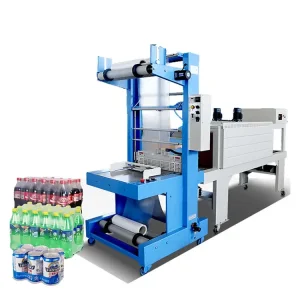
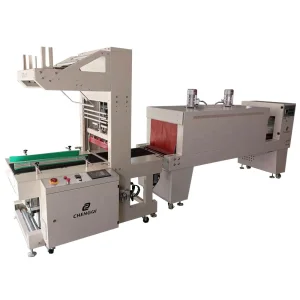
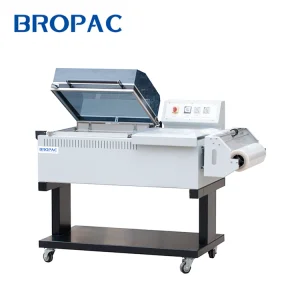
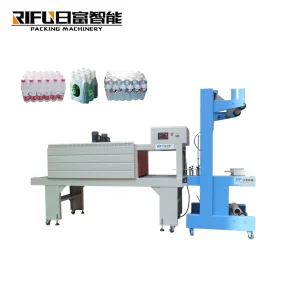
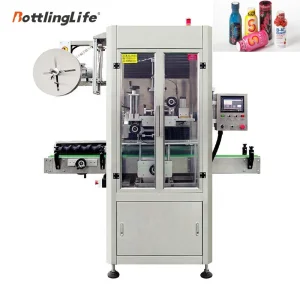
Whether you run an automotive parts shipping depot near the Port of Nagoya or a dairy packaging facility in Okazaki, packaging efficiency depends on system integration. A standalone shrink tunnel is only as good as the sealing, feeding, and downstream palletizing systems around it. Shanghai Jinye Machinery specializes in complete, automated packaging lines. This includes L-sealers, side sealers, and high-speed sleeve wrapper setups that feed directly into our dynamic shrink tunnels. Our engineering team designs layouts that optimize floor space, reduce forklift handling, and maintain clean visual product flow.
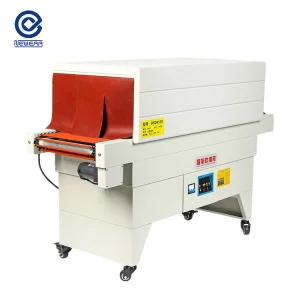
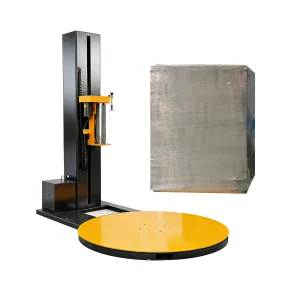
Our comprehensive portfolio of commercial thermal packaging equipment, serving Nagoya's manufacturing base.
A professional manufacturer specializing in the research, development, and production of advanced packaging machinery.
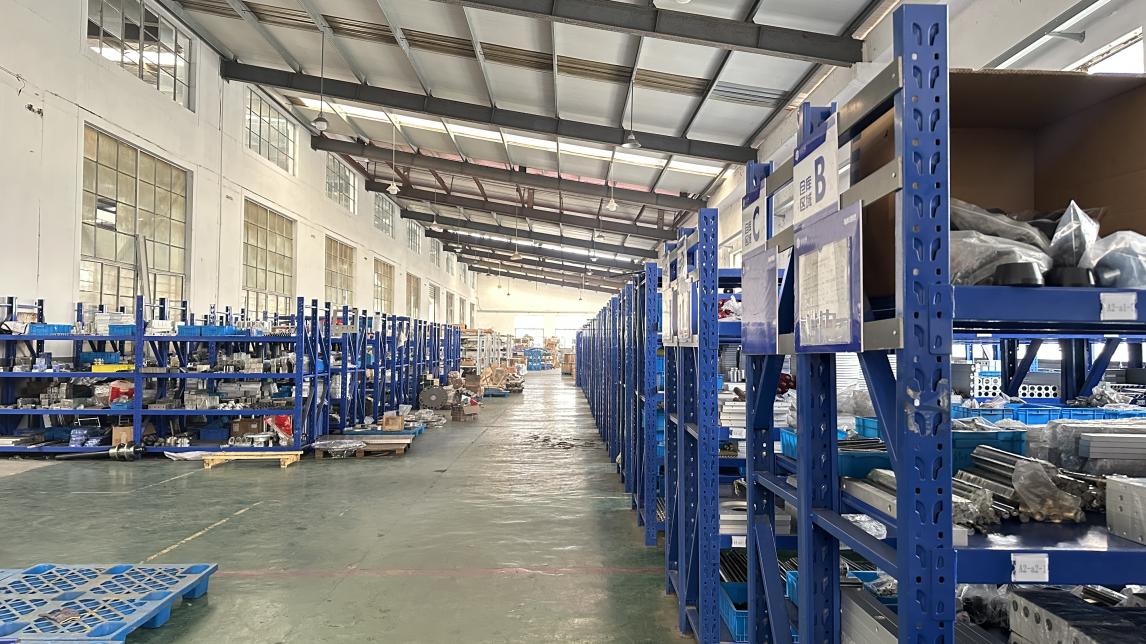
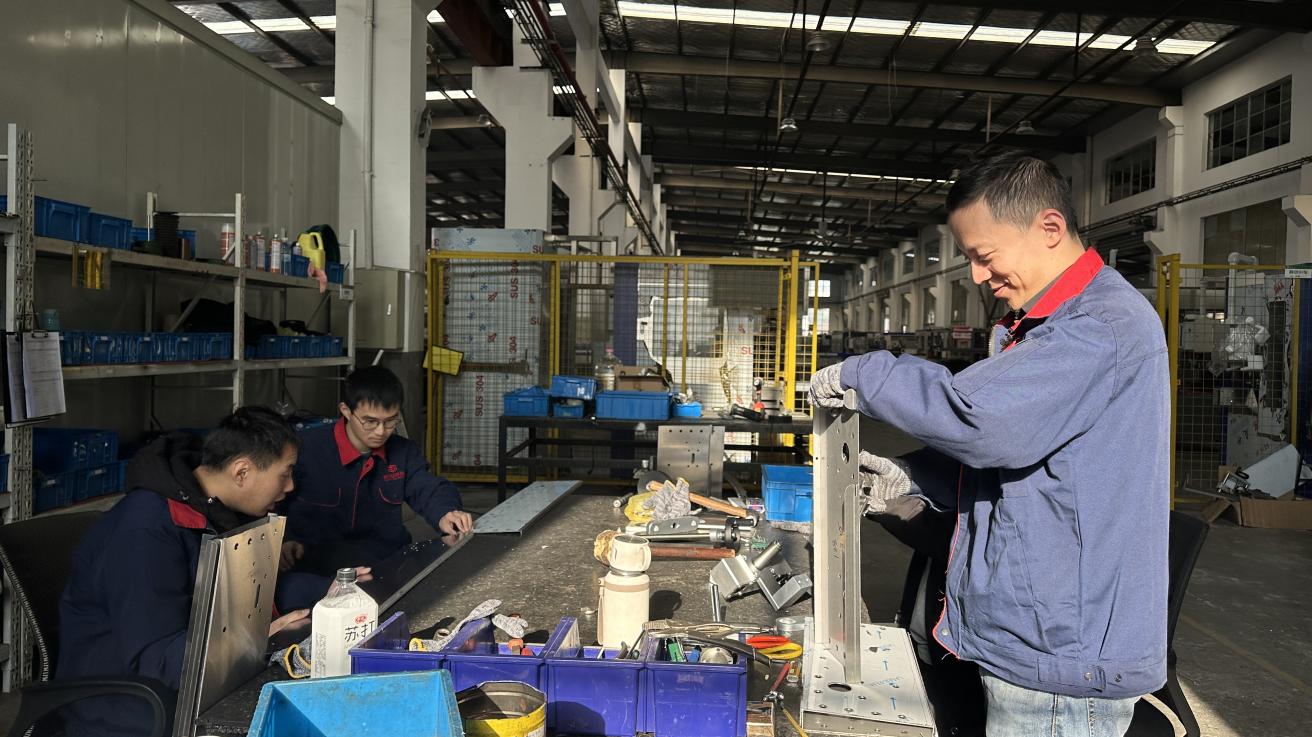
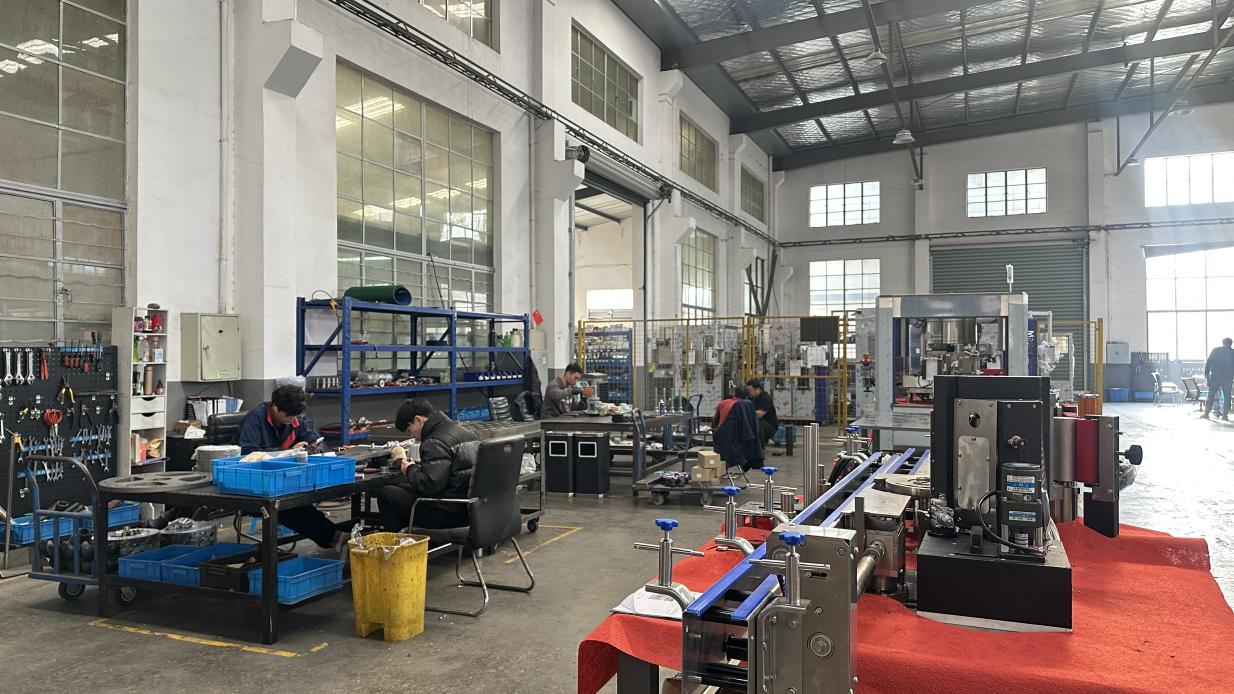
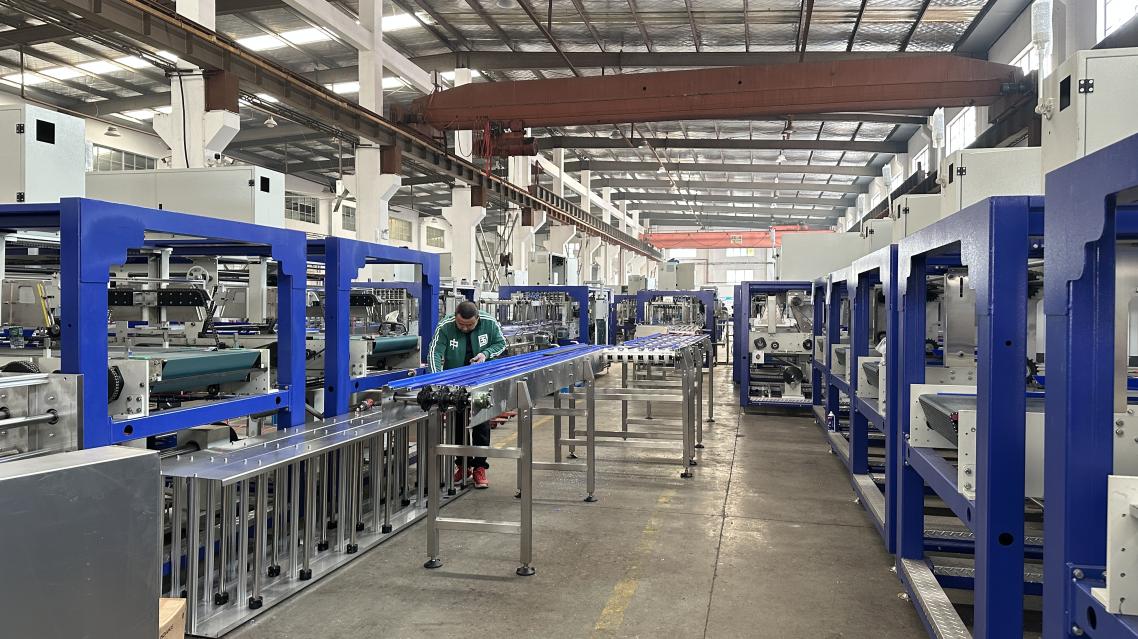
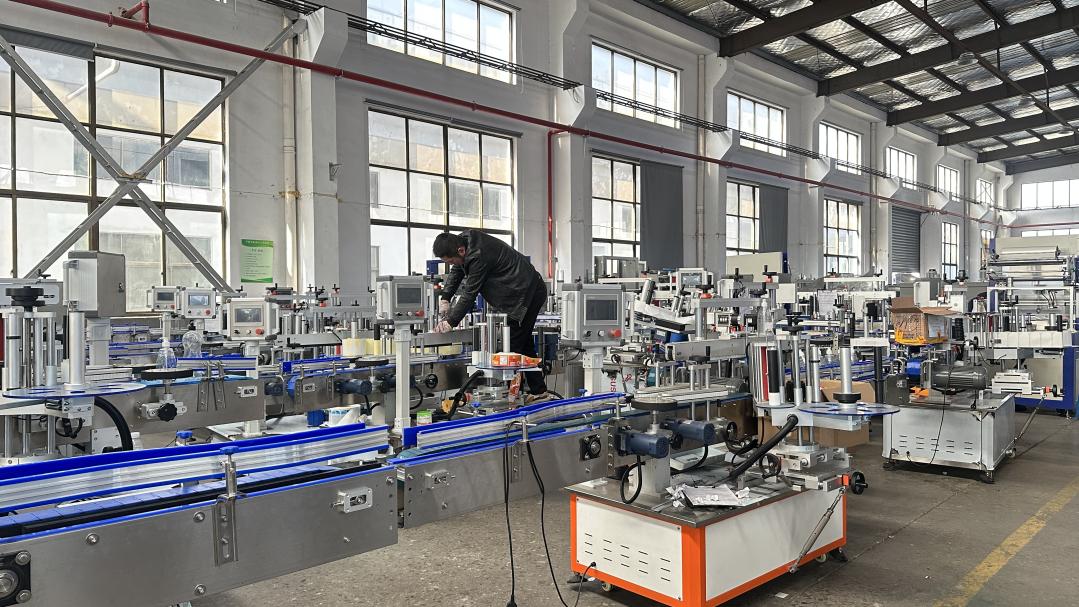
Headquartered in Shanghai, China, the company has established a modern manufacturing base equipped with advanced processing facilities and strict quality management systems, enabling us to deliver reliable and efficient packaging solutions to customers worldwide. Driven by technological innovation, Shanghai Jinye Machinery integrates sales, research and development, mechanical design, precision manufacturing, electrical engineering, assembly, commissioning, quality inspection, and after-sales service into a complete one-stop operation.
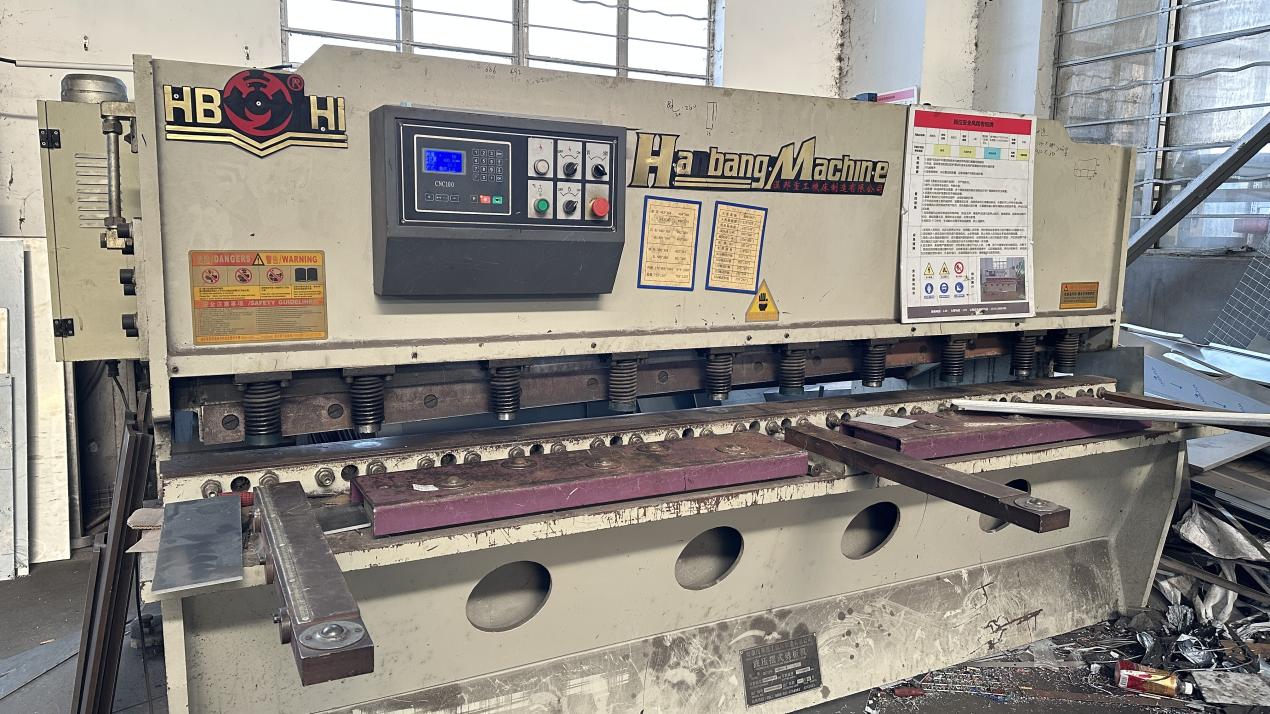
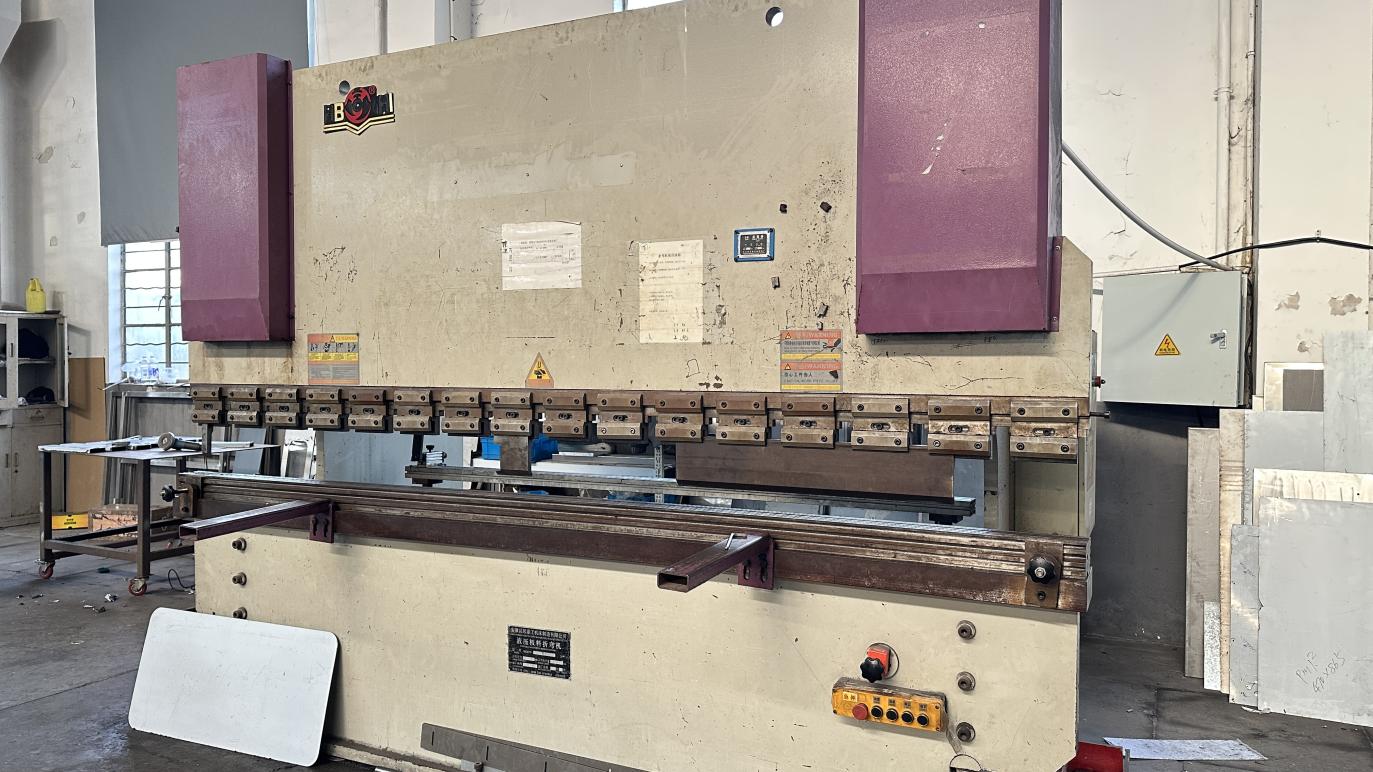
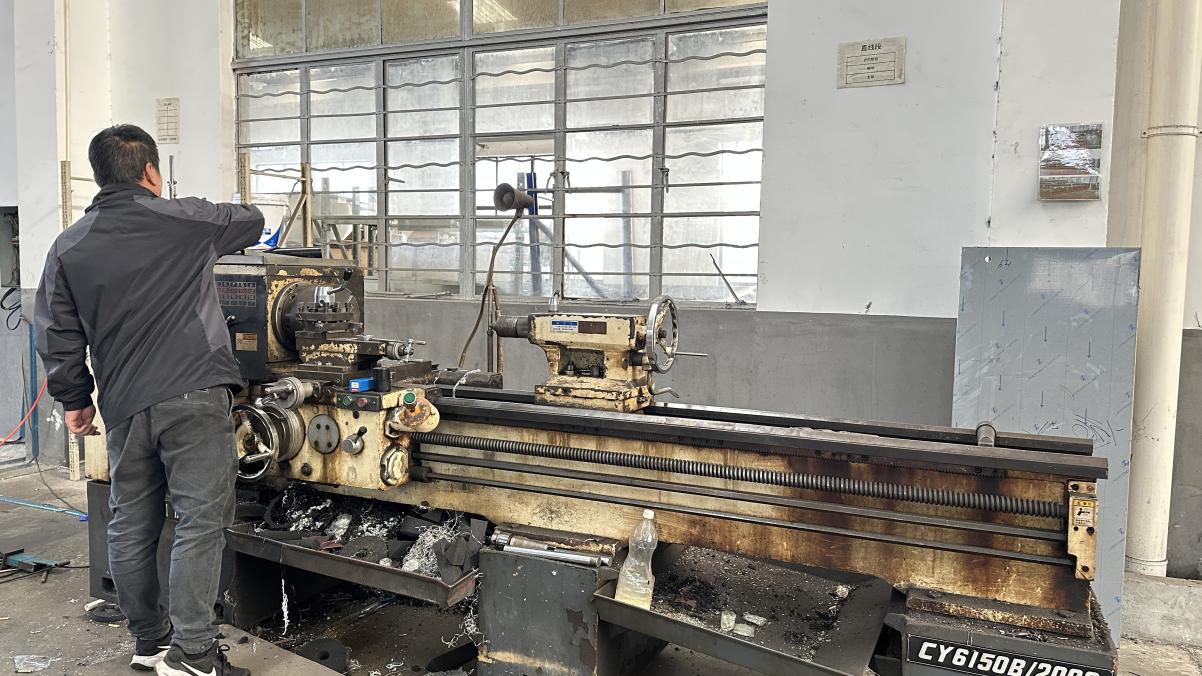
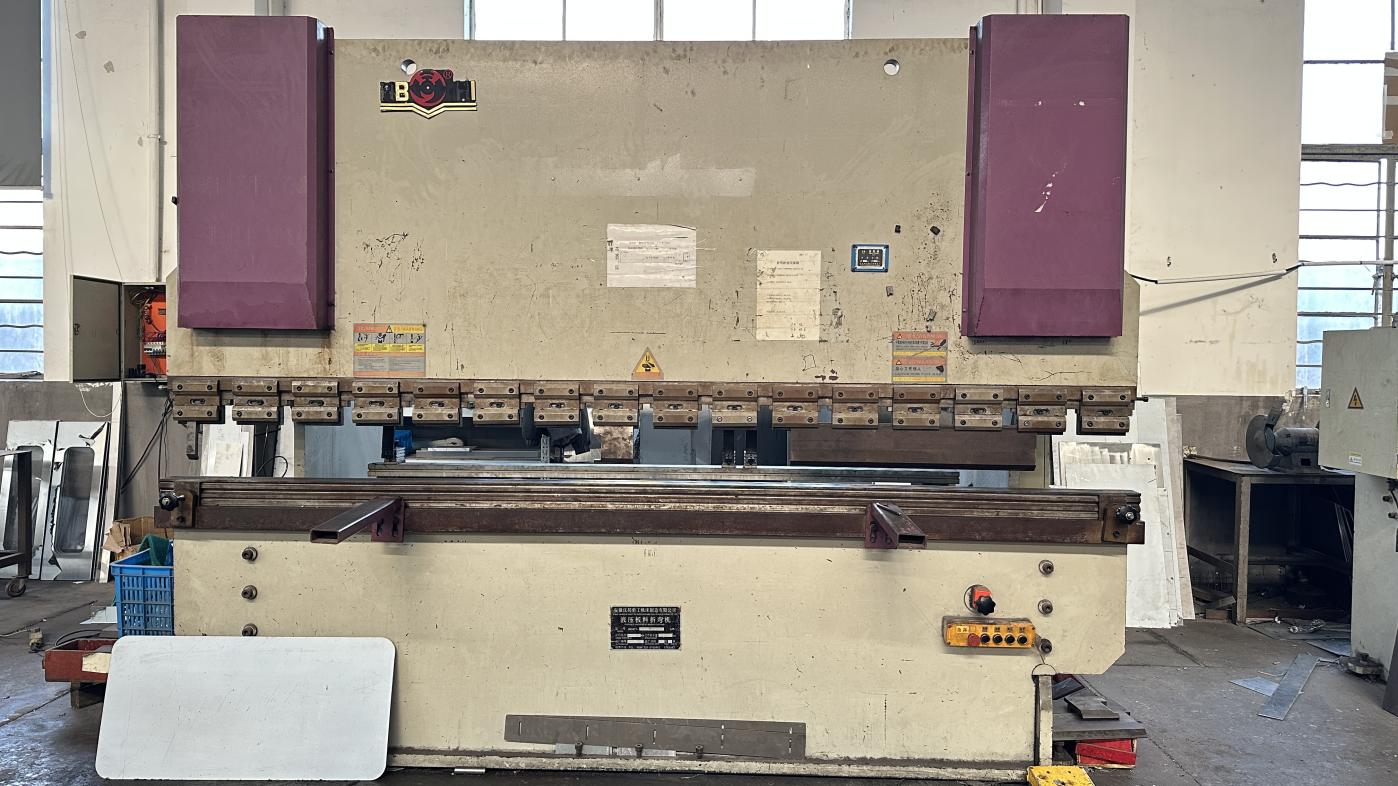
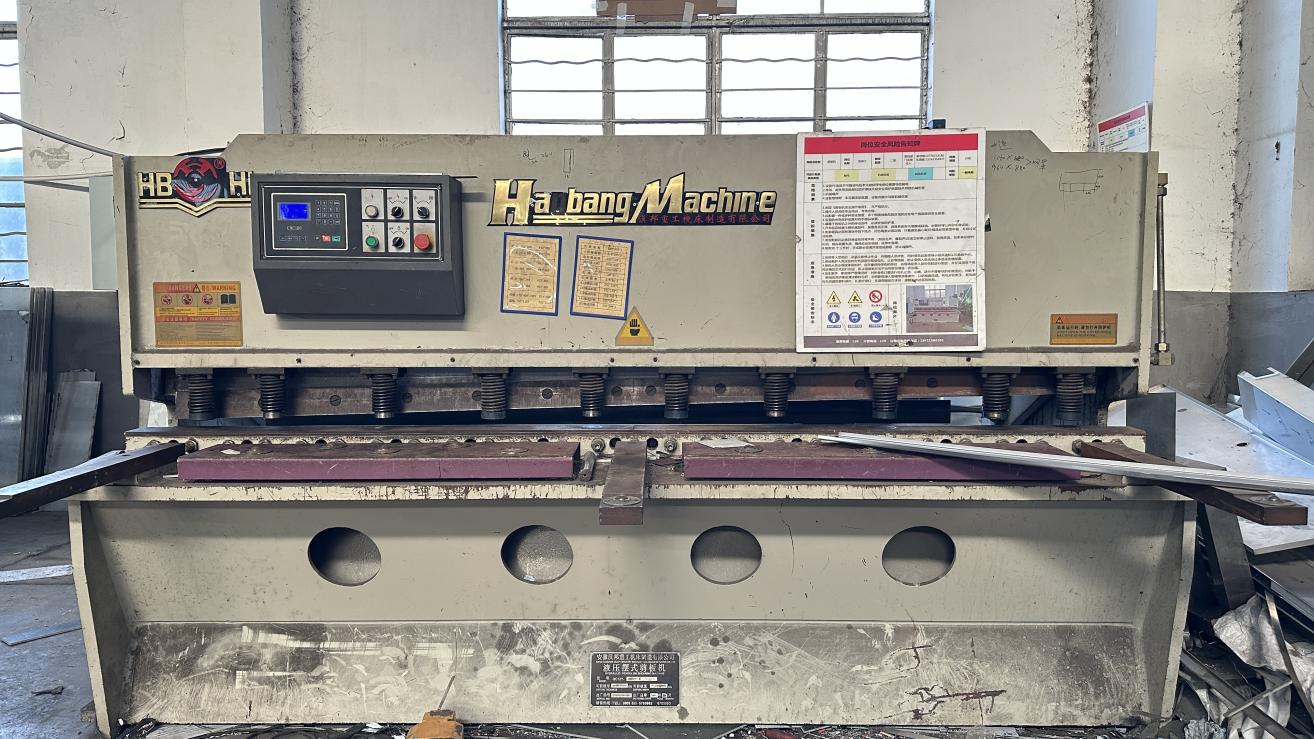
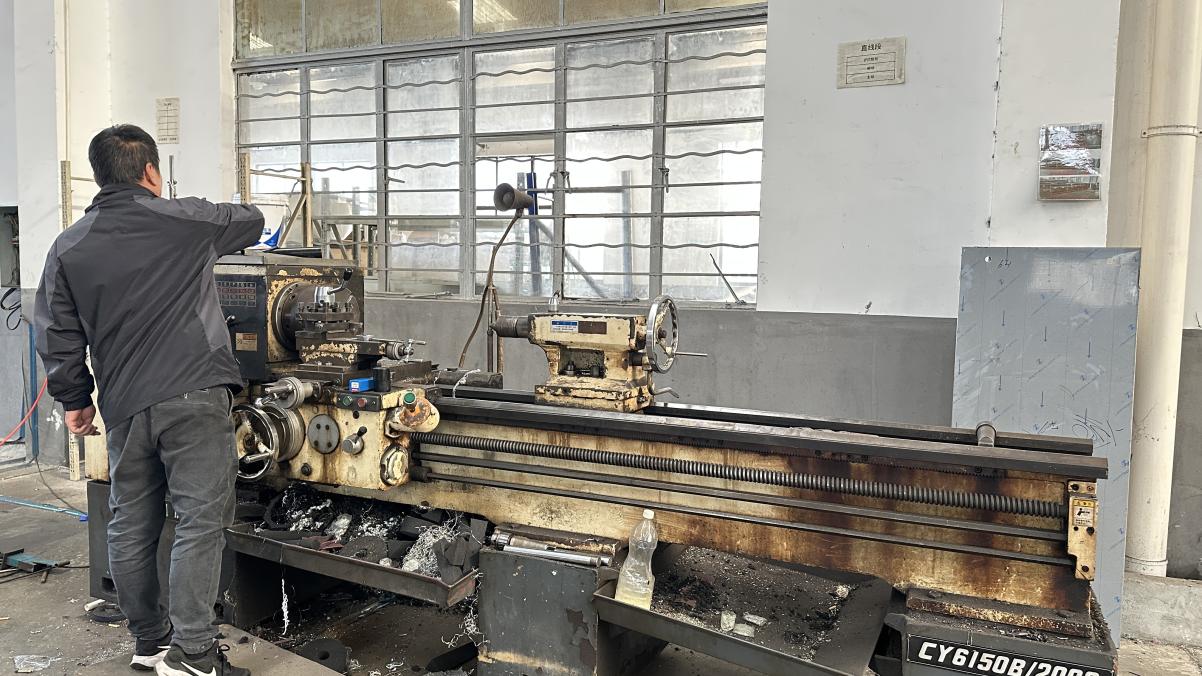
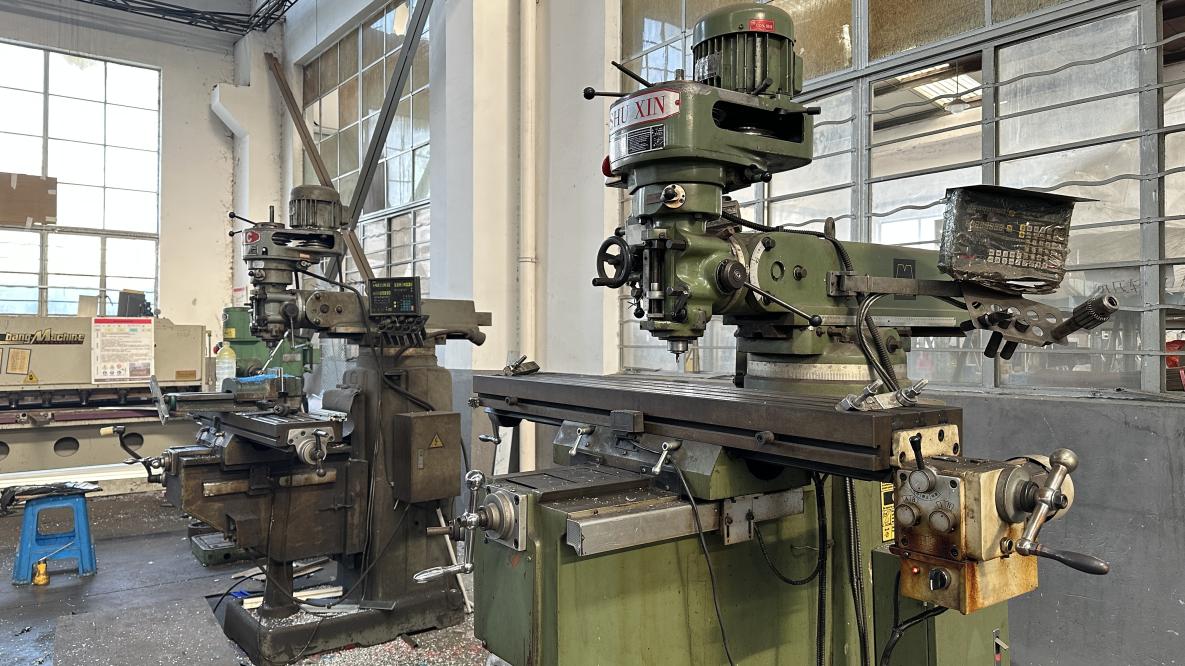
We continuously invest in advanced CNC machining centers, laser cutting equipment, precision bending machines, and modern manufacturing technologies to ensure high precision, stable performance, and excellent product quality. Our solutions are widely applied in the beverage, food, dairy, pharmaceutical, chemical, personal care, household products, logistics, and industrial manufacturing sectors.
Expert technical insights regarding industrial shrink wrapping configurations, heat settings, and shipping constraints.